

(VAN) In 2026, Son La will continue to focus on standardizing growing areas and expanding markets, aiming for agricultural and food exports to increase by more than 7% compared to 2025.
Large-scale raw material areas are bustling to enter the season
On these days, Son La’s key fruit-growing districts, such as Mai Son, Yen Chau, and Song Ma, are in the final stage of crop care or entering the early stage of the season. However, a common feature is the greater proactiveness and more methodical approach of highland farmers.
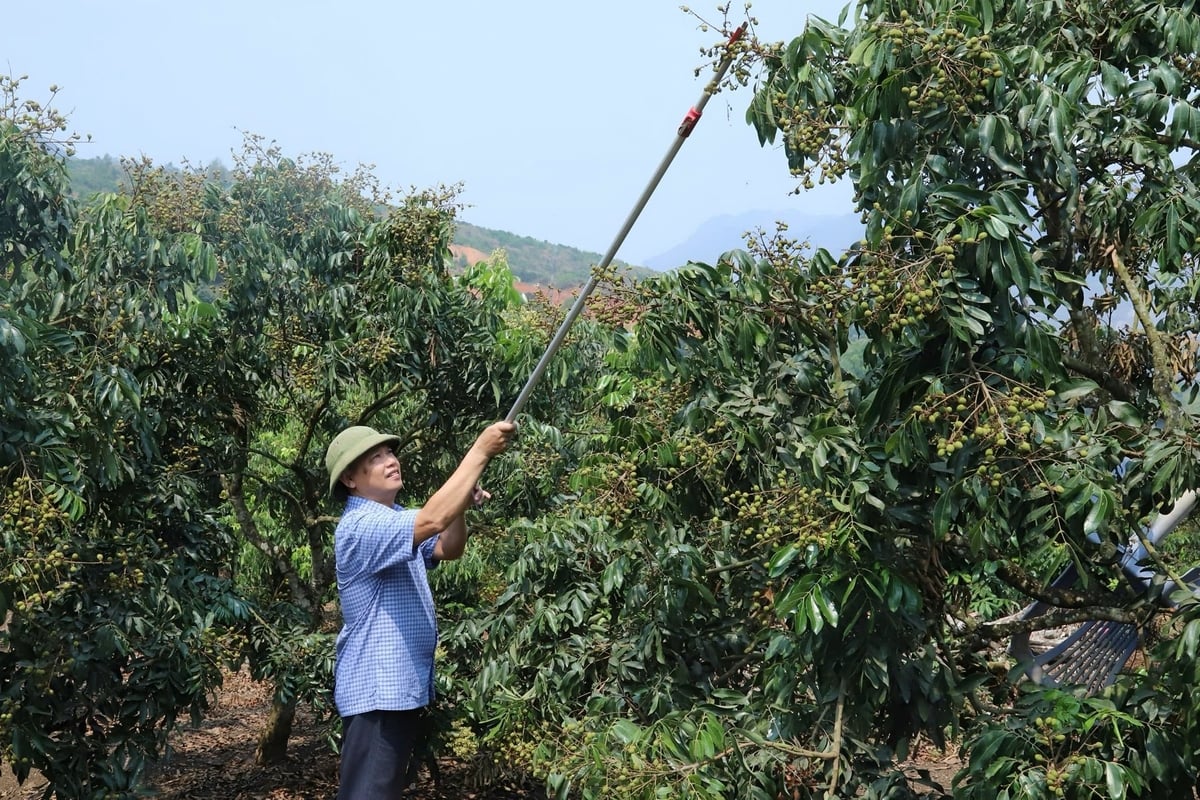
Amid a longan orchard nearing harvest, members of Toan Thang Agricultural Service Cooperative meticulously tend the trees. Photo: Nguyen Nga.
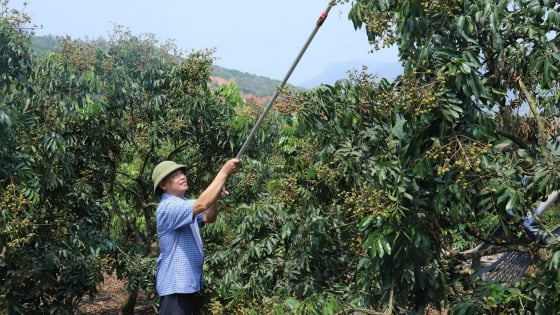
Longan is one of Son La’s key crops, with a total area of nearly 19,800 hectares and an output of around 175,000 tons. The application of off-season intensive cultivation techniques has helped extend the harvest period from April to September, thereby easing localized consumption pressure and creating favorable conditions for processing and export. Of the total output, more than 26,000 tons is estimated to meet high-quality standards, qualifying for access to markets such as China, Australia, and the U.S.
In Tay Ho hamlet, Song Ma commune, Mr. Duong Tu Thanh, Director of Toan Thang Agricultural Service Cooperative, said that 22 hectares of the cooperative’s longan orchards have been granted planting area codes for export to Australia and China. This means that the entire production process must strictly comply with the technical requirements of import markets, from pruning and flower induction to pest management. Such standardization not only ensures productivity but is also a prerequisite for sustaining quality and maintaining markets.
Additionally, the cooperative has proactively sought to expand distribution channels through e-commerce platforms while strengthening connections with key distributors and logistics units to optimize transportation processes. As a result, the products retain their freshness upon reaching consumers and meet increasingly strict standards.
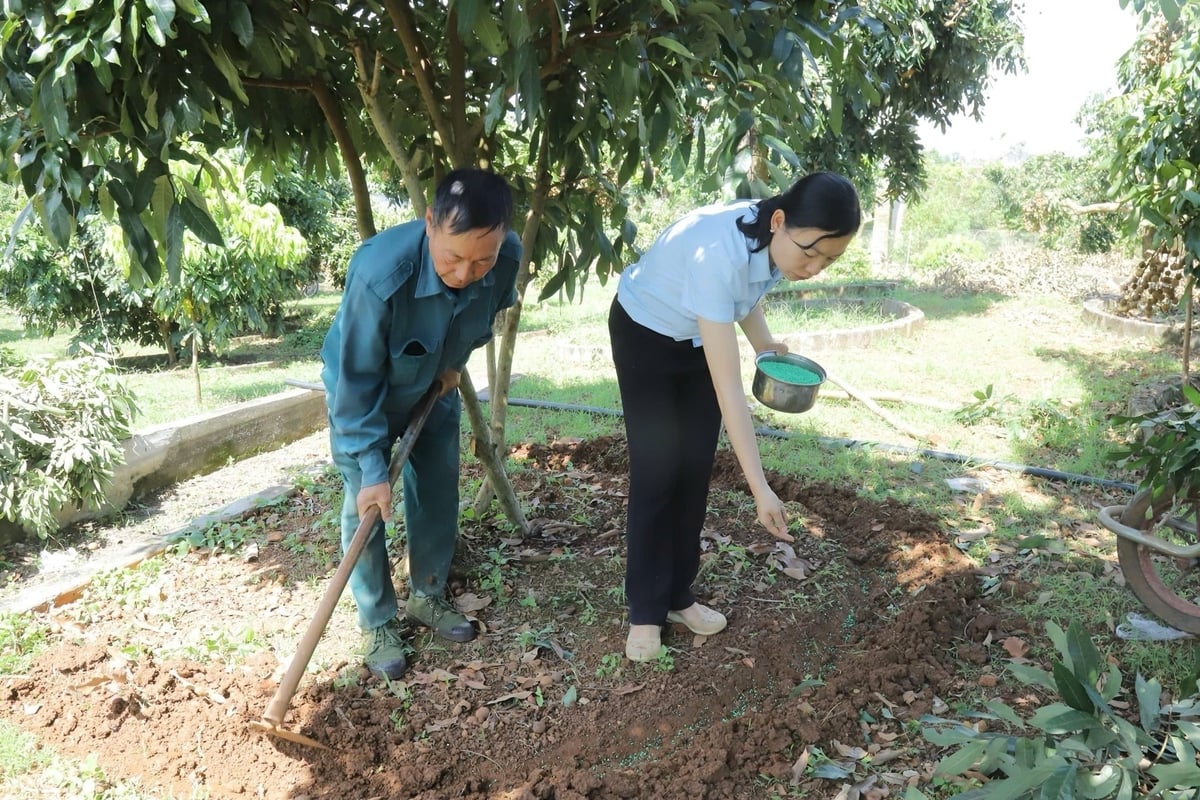
At Chieng Mung commune, provincial agricultural extension officers directly guide farmers on longan care techniques. Photo: Nguyen Nga.
Alongside longans, Son La’s mangoes are also setting new milestones. By the end of 2025, the province had more than 16,400 hectares of mango plantations, with an output of over 97,000 tons. Sustained efforts have brought highland mangoes into major supermarket systems and have gradually conquered markets in South Korea, China, Australia, and the U.S., with export volume in 2025 reaching 9,350 tons, valued at over USD 6.5 million.
At a mango consumption promotion conference recently organized by the Son La Department of Agriculture and Environment, a representative of Tien Ngan Trading Investment Co., Ltd. said that following the first shipment of frozen mangoes exported to the South Korean market in 2025, the company has received additional orders for 2026 and plans to export around 1,500 tons of fresh mangoes from May to September.
To meet the technical standards of import markets and ensure a stable supply, the company is coordinating with specialized sectors to connect and seek qualified raw material areas while investing in pre-processing, processing, and packaging in line with export standards.
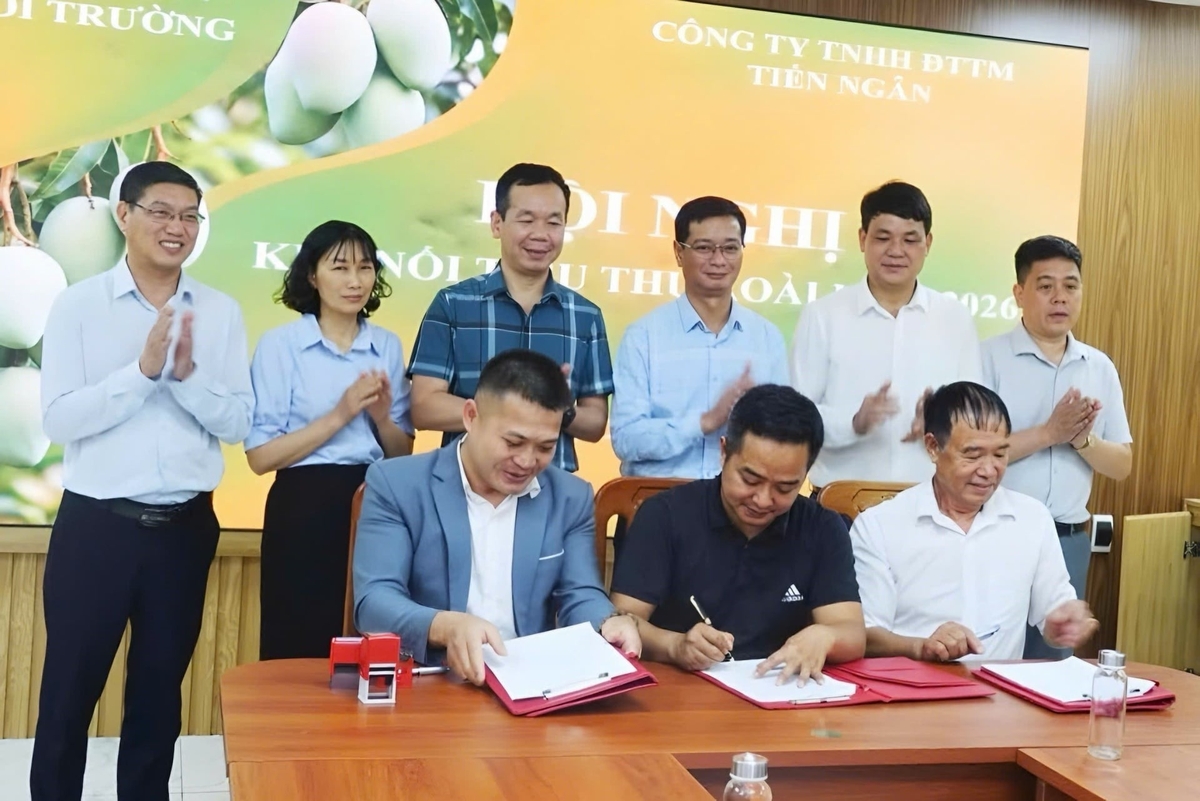
Tien Ngan Trading Investment Co., Ltd. signs memoranda of understanding on cooperation and mango consumption with several cooperatives in Son La province. Photo: Nguyen Yen.
Foundation from “telling numbers”
Son La’s export turnover in 2025 recorded impressive growth, reaching over USD 225 million. Of this, agricultural products accounted for USD 218.4 million, up nearly 15% compared to the previous year. Products such as mango, longan, dragon fruit, tea, and coffee continue to be highly valued for their quality and supply chain stability in major markets including China, Japan, the EU, and the U.S.
One of the key foundations for this growth is the increasingly strict management of planting areas. The province currently maintains 216 planting area codes covering more than 2,800 hectares, of which 200 codes are designated for export. Key markets include China (108 codes), Australia (41 codes), the U.S. (33 codes), New Zealand (9 codes), the EU, and others.
Monitoring results in 2025 show that 100% of inspected planting areas fully met the conditions required to maintain operations. This lays a critical foundation for Son La’s agricultural products to confidently reach international markets.
At the same time, sustainable farming measures are being implemented more widely. Highland farmers have proactively transformed their production methods, investing in drip irrigation systems, increasing the use of organic fertilizers, and applying Integrated Plant Health Management (IPHM). These measures not only help reduce costs and mitigate risks but also align with the global trend toward green consumption and low-emission production.
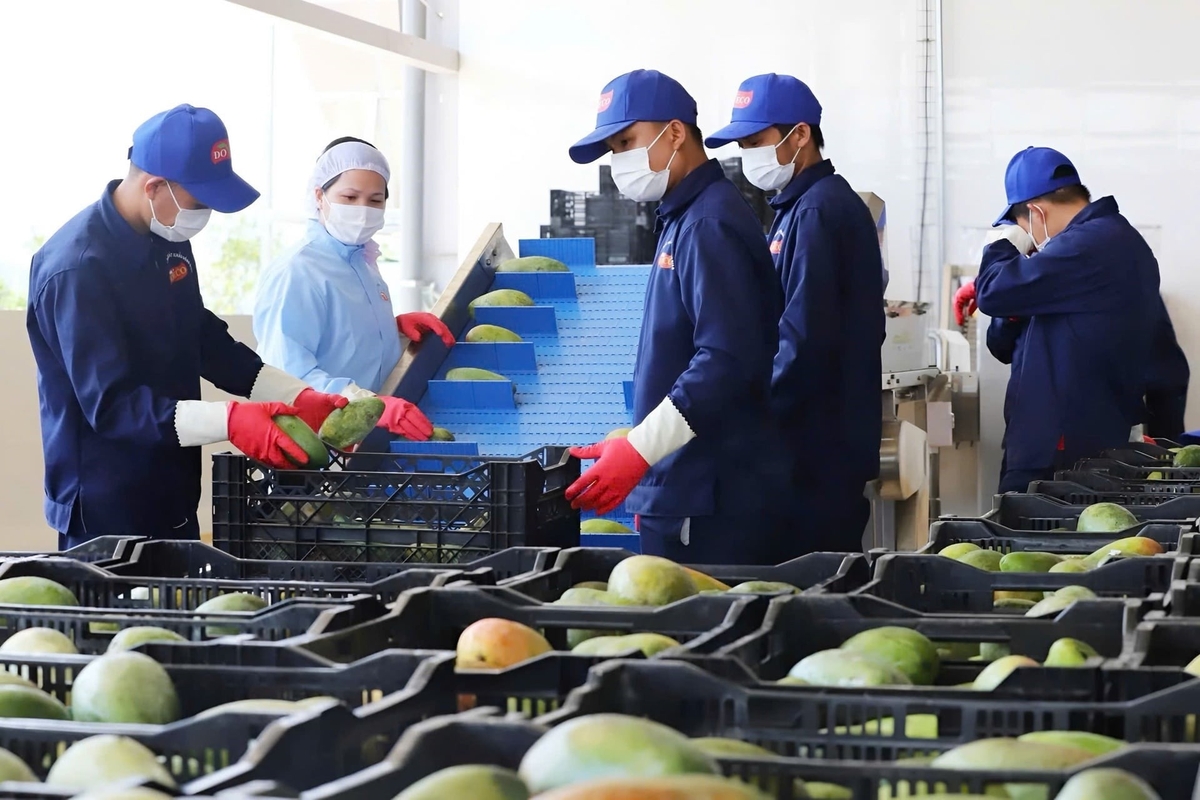
Son La promotes deep processing to enhance the value of agricultural exports. Photo: Nguyen Nga
Toward a USD 235 million target
Building on its growth momentum, Son La aims to achieve total export turnover of USD 240 million in 2026, up more than 6% compared to 2025. Of this, agricultural products and food will continue to play a key role, projected at USD 235 million, an increase of over 7% compared to the same period.
According to the plan, longan will remain a strategic commodity, with export volume estimated at around 5,300 tons worth nearly USD 24 million; mango exports are expected to reach 11,200 tons, and passion fruit about 1,500 tons. At the same time, the province will increase the share of processed products to enhance added value locally.
Mr. Ha Nhu Hue, Director of the Son La Department of Industry and Trade, said that to achieve these targets, the province is intensifying the provision of market information, guidance, and forecasting; proactively strengthening market linkages and expansion through working with retail groups and major supermarket chains; and participating in international trade fairs in Asia and Europe. Coordination with units under the Ministry of Industry and Trade and the Departments of Industry and Trade of Quang Ninh, Lang Son, Lao Cai, Lai Chau, and Tuyen Quang is also being enhanced to promptly update customs clearance conditions at border gates with China, thereby supporting enterprises in proactively managing product distribution.
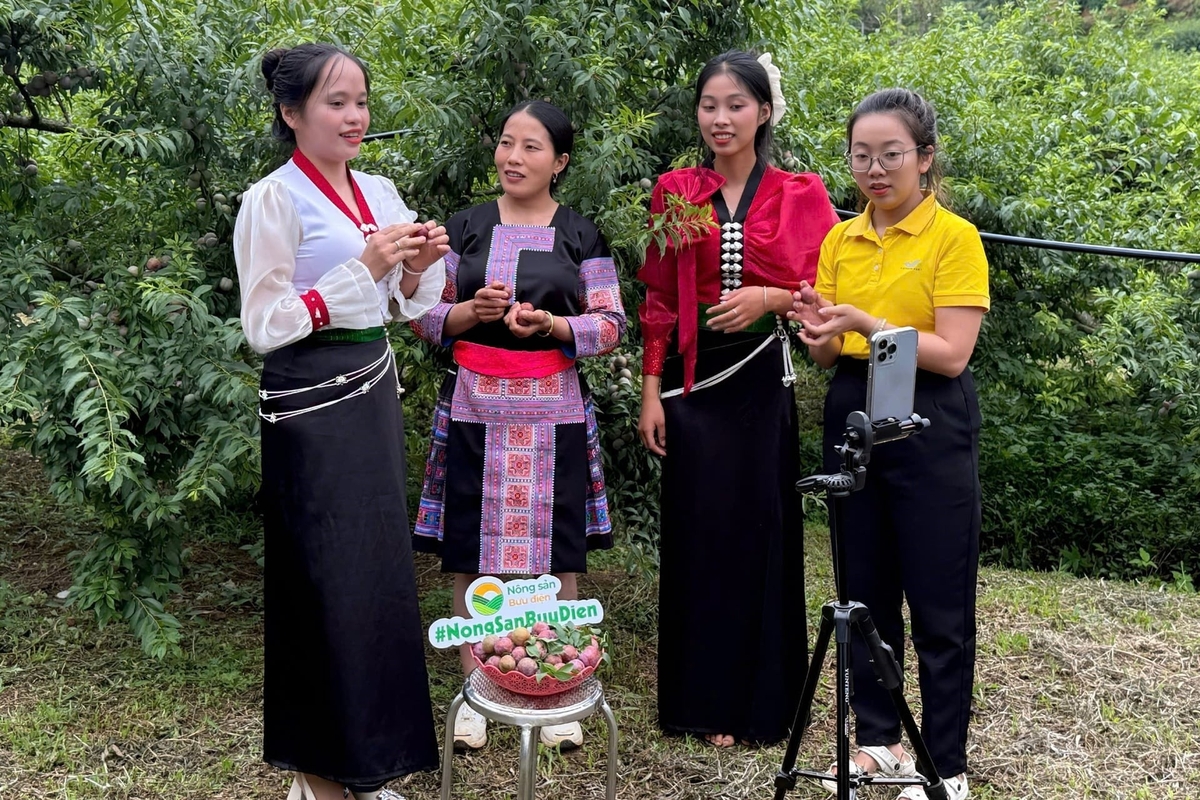
Son La farmers innovate sales methods and livestreams to promote and consume agricultural products on digital platforms. Photo: Minh Thu.
In addition, brand building, recognition of geographical indications, packaging improvements, and product promotion linked to distinctive cultural and tourism events continue to receive strong emphasis, helping to boost the global competitiveness of Son La’s agricultural products.
At the same time, training and support are being stepped up for enterprises, cooperatives, and farming households to livestream products on social media while maintaining the province’s stores on domestic and international e-commerce platforms. Coordination with units under the Ministry of Industry and Trade is also being enhanced to develop a specialized digital database system for trade promotion, including market information, sectoral data, enterprise profiles, key products, and other databases integrated into the national digital trade promotion ecosystem.
The first quarter of 2026 closed with Son La’s export turnover estimated at USD 98.3 million, up 11.9% from the same period, driven by key commodities such as coffee, cassava, sugar, and bananas. These positive signals reflect efforts in production and the close coordination between management agencies and producers, opening a sustainable pathway for highland products to continue reaching international markets.
For the 2026–2030 period, Son La targets an export value of approximately USD 400 million, with an average annual growth rate of 10–13%. Of this, agricultural products and food are projected to reach about USD 395 million, with continued emphasis on direct exports, deep processing, and official exports.
Export targets for key commodities include mango at 18,000 tons (USD 10 million); longan at 8,500 tons (USD 30.2 million); passion fruit at 3,200 tons (USD 1.7 million); banana at 14,500 tons (USD 3.95 million); and coffee at 39,000 tons (USD 186 million).
$ 1 = VND 26,113 – Source: Vietcombank.
Agriculture News | Agri Products Price