

(VAN) Under market pressures, Viet Nam’s durian sector needs to develop sustainable growing areas, control the quality, and ensure traceability to maintain its billion-dollar export position.
Tightening growing area codes, controlling quality at the source
After just three years of official export to China, durian has risen to become a billion-dollar commodity in Viet Nam’s agricultural sector. In 2025, durian export turnover reached USD 3.86 billion, up more than 20% from the previous year and accounting for nearly half of the total export value of the fruit and vegetable sector. This marks an impressive milestone, affirming the growing importance of durian in the country’s agricultural export structure.
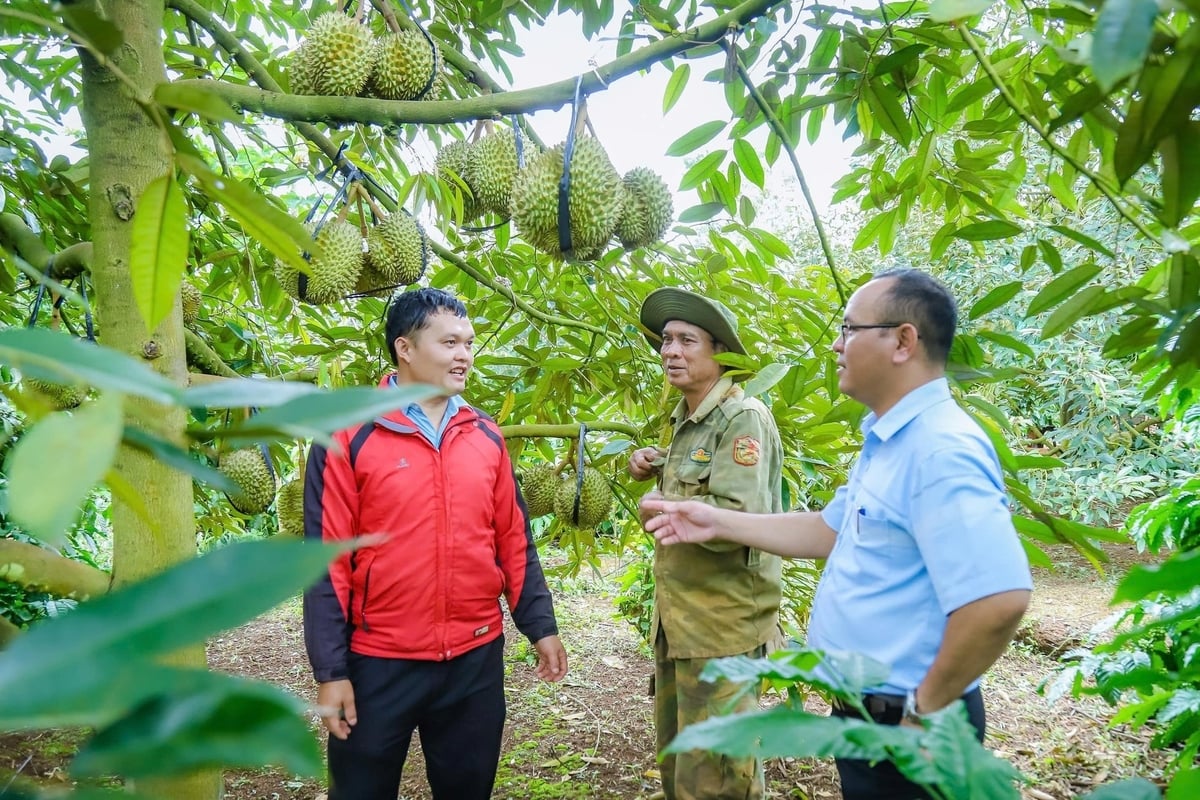
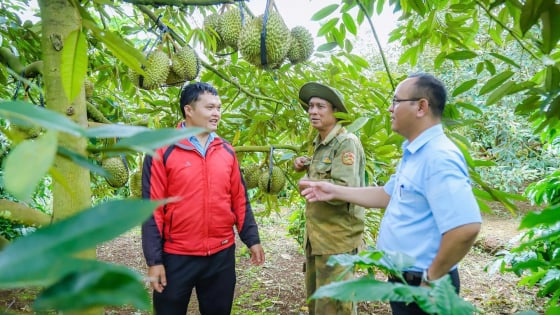
Durian production models associated with growing area codes and enterprise linkages are proving highly effective. Photo: P.H.
However, behind the overheated growth momentum lie a range of risks related to quality, traceability, and sustainability. This underscores the urgent need to comprehensively restructure the sector, particularly by developing standardized growing areas for green, low-emission production.
The Central Highlands, especially Dak Lak, is currently the country’s “durian capital,” with a cultivation area of over 40,000 ha. In response to increasingly strict requirements of export markets, the locality has gradually reoriented the sector toward standardizing growing areas, strengthening chain linkages, and improving product quality.
In practice, production models associated with growing area codes and enterprise linkages are proving highly effective. In Ea Knuec commune (Dak Lak), Mr. Le Van Hung, an orchard owner participating in a linkage chain, said that the entire 100 ha of durian managed by the farmer group has been granted growing area codes. Farming processes are strictly controlled, from input materials to harvesting.
Each participating household is required to commit to complying with technical procedures, from fertilization and pesticide use to post-harvest handling. Enterprises coordinate monitoring of residue levels, and any irregularities are addressed immediately. As a result, the products maintain credibility with export partners and meet market standards.
Not only Dak Lak, but also localities such as Gia Lai and Lam Dong are accelerating the issuance of additional area codes and the development of standardized packing facilities. To date, the country has approximately 1,400 growing area codes and nearly 200 packing facilities serving durian exports.
According to the agricultural sector’s orientation, the next phase will not focus on expanding the durian area at all costs but rather on improving quality and developing growing areas in an organic, circular, low-emission direction. This is considered a prerequisite for Viet Nam’s durian to sustain market access and gradually enhance its value.
Ms. Ngo Tuong Vy, Director of Chanh Thu Fruit Export-Import Group Joint Stock Company, noted that the increase in growing area codes is a positive signal, indicating that the sector has made progress after a period of export slowdown. However, the number of granted codes remains modest relative to the scale of production, and the risk of code revocation for regulatory violations persists.

Ms. Ngo Tuong Vy, Director of Chanh Thu Fruit Export-Import Group Joint Stock Company, said the increase in growing area codes is a positive signal. Photo: P.H.
“Viet Nam’s durian is fully capable of competing in the international market, but its weakness lies in the lack of synchronization in supply chain management and operations. Farmers, enterprises, and management agencies must clearly recognize their roles, ensure transparency, and comply with regulations so that the value chain can operate efficiently,” Ms. Vy said.
Removing bottlenecks in linkage chains, promoting green production
Despite its achievements, the durian sector faces numerous challenges. The rapid expansion of cultivated areas over a short period has had consequences for quality and management.
In many growing areas, farmers still follow experience-based practices and lack adequate knowledge of fertilizer and pesticide use. This has resulted in the risk that chemical residues will exceed permitted thresholds. In reality, multiple export shipments have been rejected due to quality violations, seriously affecting the sector’s reputation.
Mr. Nguyen Huu Chien, Director of Tan Lap Dong Agricultural Service Cooperative in Pong Drang commune (Dak Lak), said that farmers remain passive to warnings about prohibited residue levels. Many farmers are surprised at reports of substances such as auramine O or cadmium, yet lack specific guidance on their sources and measures, making them concerned.
Beyond production, packing activities also face several shortcomings. Some enterprises use invalid growing area codes or fail to comply with technical procedures, increasing the risk of warnings from importing countries or the imposition of stricter control measures.
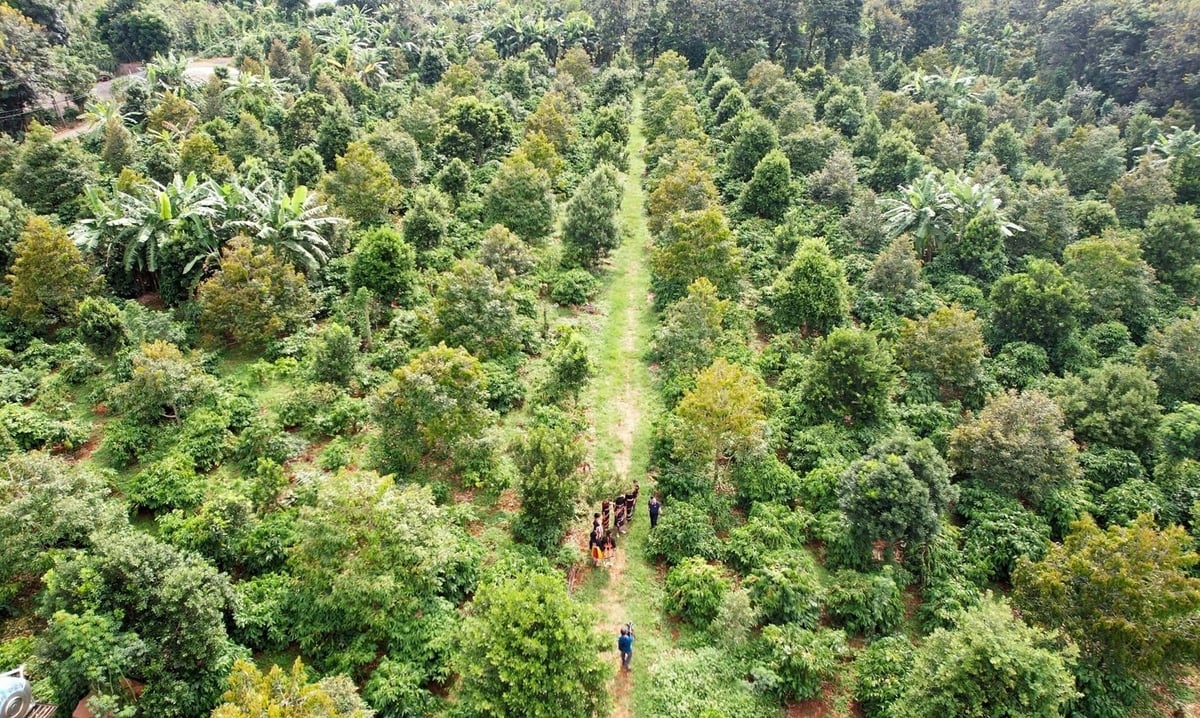
Establishing and managing growing area codes must be tightened and regarded as a mandatory task of local authorities rather than left to farmers. Photo: P.H.
In response to this situation, experts emphasize the need for synchronous solutions across management and the production organization. In particular, the establishment and management of growing area codes must be tightened and treated as a mandatory task of local authorities, rather than left to farmers. At the same time, production should be promoted toward organic and circular models, with emissions reduction, quality control at the orchard, and the development of on-site residue-testing systems.
According to Mr. Tran Minh Chau, a representative of Vinacontrol Quality Inspection Co., Ltd., placing both the agricultural and environmental sectors under a single management agency will facilitate the establishment of testing laboratories in production areas. From a technical standpoint, service providers are fully capable of meeting the requirements, but legal bottlenecks related to environmental regulations, technical standards, and operating licenses persist.
With strong leadership and coordinated efforts among ministries, sectors, and localities, the development of on-site testing systems is entirely feasible, contributing to quality control at the input stage. In addition, developing processing and post-harvest preservation industries is considered a key solution to ease consumption pressure during harvest seasons. This would help mitigate the “good harvest, bad price” phenomenon while enhancing the added value of durian products.
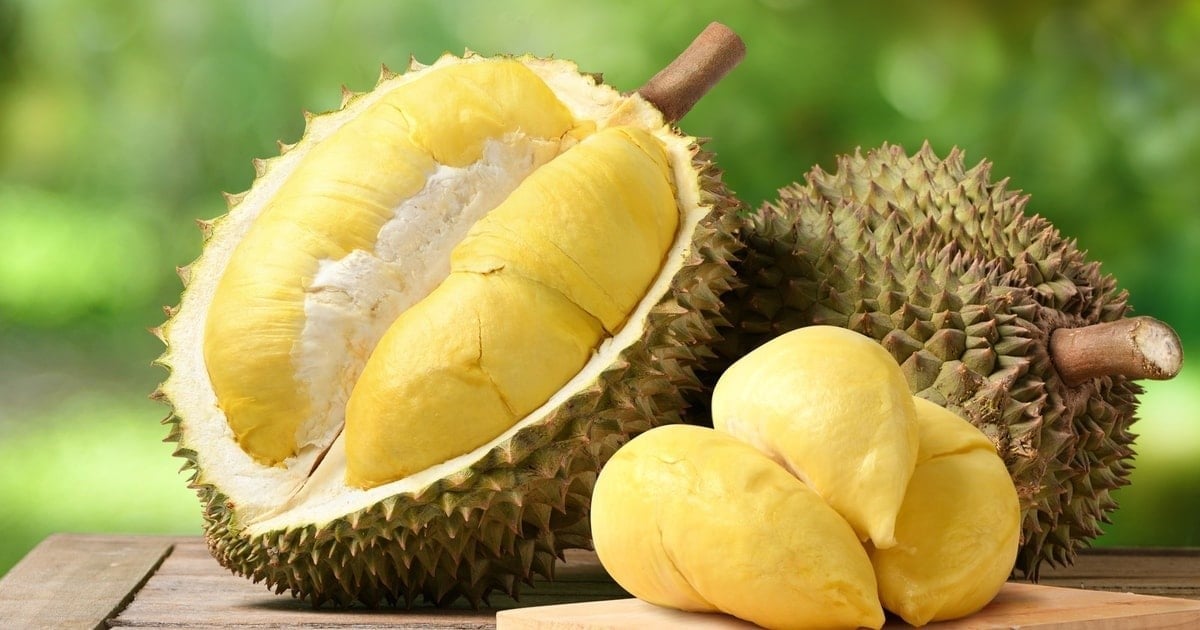
Chain linkage is a mandatory requirement for the sustainable development of the durian sector. Photo: P.H.
Chain linkage is a mandatory requirement
Mr. Tran Hau Ngoc, Vice Chairman of the Commission for the Standards, Metrology, and Quality of Viet Nam, said that relevant regulations are being revised to better align with practical conditions. At the same time, the agency is developing a national database on standards, codes, and barcodes, thereby enhancing traceability and quality management.
In practice, durian-growing areas with strong linkages among farmers, cooperatives, and enterprises tend to meet export requirements more effectively. In Dak Lak, building linkage chains are being accelerated to control quality and stabilize output.
According to Mr. Le Anh Trung, Chairman of the Dak Lak Durian Association, chain linkage is a mandatory requirement for sustainable development. In this context, strengthening farmers’ capacity plays a key role, as they are the first link that determines product quality.
At a strategic level, durian is not only a high-value crop but also has the potential to become a national commodity sector. However, to realize this goal, a strong shift is needed from a production mindset to an agricultural economic mindset, with a focus on standardized, transparent, and sustainable production.
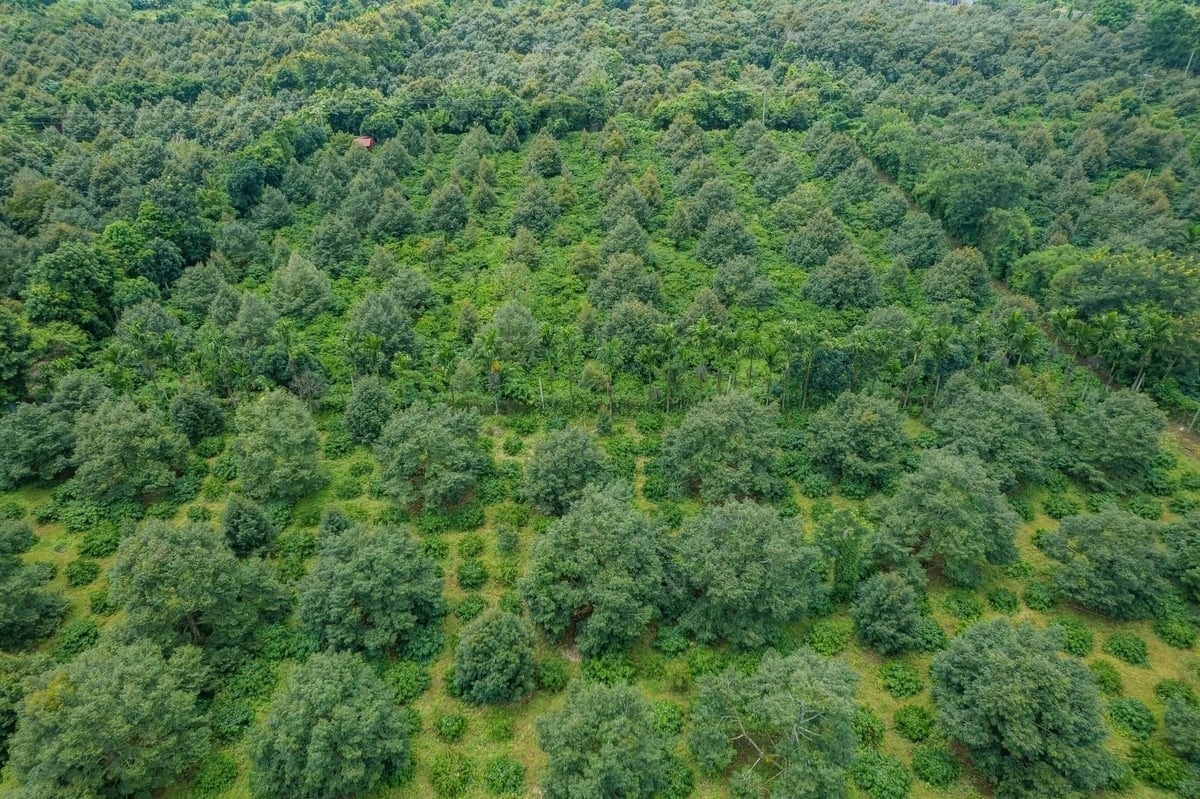
Durian develops differently across ecological zones; applying a common standard set for all areas would be ineffective. Photo: P.H.
As part of long-term solutions, the Dak Lak Durian Association has signed a cooperation agreement with the Western Highlands Agro-Forestry Scientific and Technical Institute to research and transfer technical advances. The focus is on addressing cadmium and residual chemicals in soil, developing technical standards for the durian sector, and conducting research on varieties and suitable ecological zoning.
According to Mr. Phan Viet Ha, Deputy Director of the Western Highlands Agro-Forestry Scientific and Technical Institute, durian develops differently across ecological zones. Applying a common standard set to all areas would be ineffective. Therefore, it is necessary to establish a common standard set with flexible adjustments tailored to specific sub-regions, taking into account soil conditions, climate, and farming practices. The ultimate goal is to produce uniformly high-quality products nationwide that meet the increasingly stringent requirements of international markets.
When growing areas are standardized, production shifts toward green practices, and linkage chains operate effectively, Vietnamese durian will not only sustain its billion-dollar sector position but also have the opportunity to reach far and strengthen its brand on the global agricultural product map.
Agriculture News | Agri Products Price