



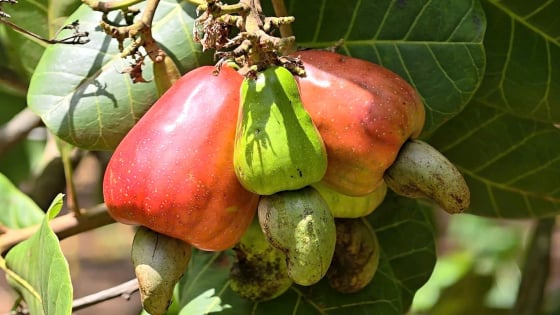
(VAN) Several of Viet Nam’s key agricultural export commodities are being impacted by the conflict in the Middle East, which has disrupted maritime transport and significantly increased shipping costs.
The Middle East conflict has affected the prices of some of Viet Nam’s major agricultural products, including pepper.
Before tensions escalated in the region, pepper prices in the Central Highlands and Southeast Viet Nam were close to 150,000 VND per kilogram. Since the conflict began, pepper prices have become unstable.
Hoang Phuoc Binh, owner of a large pepper farm in Chu Se commune, Gia Lai province, said that in recent days pepper prices have been fluctuating continuously due to the situation in the Middle East. As of March 10, pepper prices were above 140,000 VND per kilogram.
Many businesses have been purchasing pepper cautiously or temporarily halting purchases while monitoring developments in the Middle East. At the same time, sharply rising fuel prices have also contributed to the recent fluctuations in pepper prices.
However, the most significant impact of the Middle East conflict on Viet Nam’s key agricultural sectors is in exports, particularly as the conflict has disrupted global logistics.
The cashew sector is among the industries most affected, as the Middle East is a major export market for Vietnamese cashew nuts. According to Bach Khanh Nhut, Standing Vice Chairman of the Viet Nam Cashew Association (Vinacas), in 2025 the Middle East ranked among the top three export markets for Vietnamese cashews, after China and the United States.
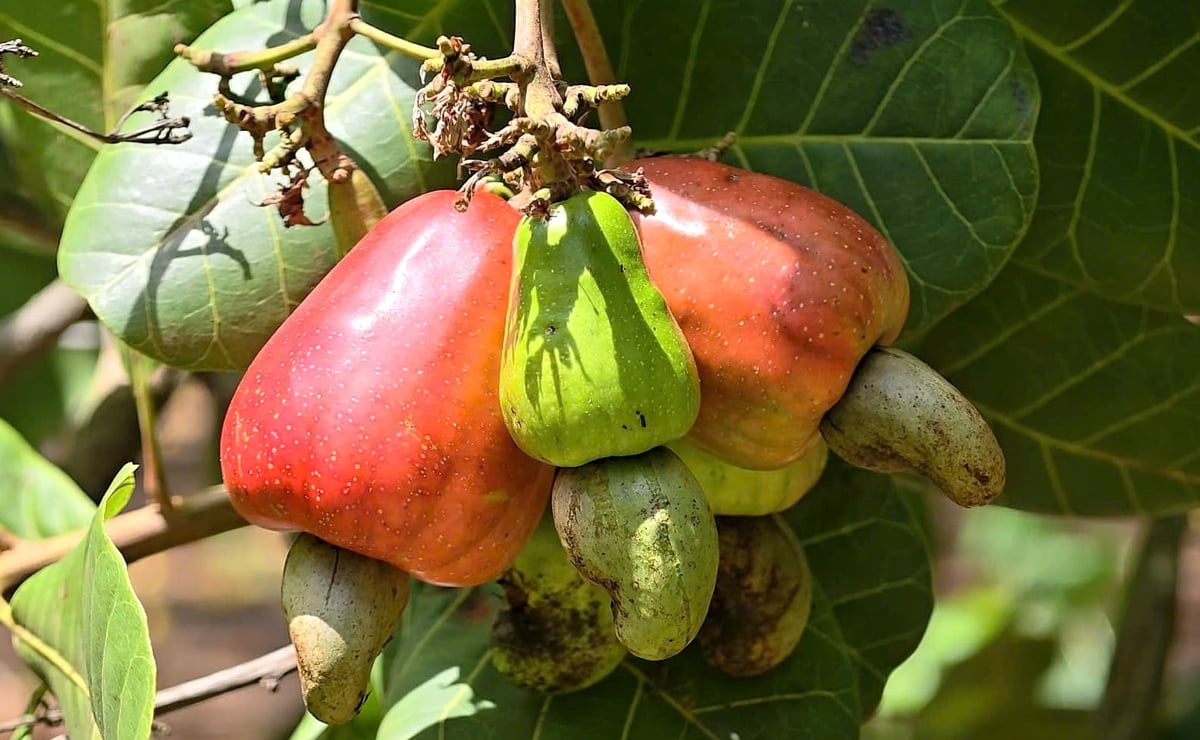
Vietnam’s cashew industry is being significantly affected by the Middle East conflict. Photo: Thanh Son.
The conflict has already affected many cashew exporters. Numerous cashew shipments currently en route to the Middle East have been forced to stop at safe locations because access to certain ports in the region has been blocked or deemed too dangerous.
Some cashew businesses revealed that certain importers in the Middle East, facing supply shortages, were willing to pay war-risk insurance fees to shipping lines so vessels could continue their journey. However, ship owners have refused to take the risk.
When shipments are forced to halt mid-journey to avoid conflict zones, transportation costs increase. Meanwhile, exporters remain uncertain about when the shipments will reach buyers and when payments can be received, as importers typically pay the full value only after receiving the goods.
Payment delays caused by force majeure situations also affect the cash flow and capital turnover of cashew export businesses.
Cashew exports to other markets such as the United States and China are also being affected. With the Middle East conflict showing no signs of ending soon, consumers in many markets are becoming more cautious in their spending. As a result, importers who previously placed advance orders are now purchasing only enough to meet immediate demand, leading to fewer orders for Vietnamese cashew exporters.
The Middle East conflict has also driven maritime transport costs up several times.
Lê Việt Anh, Secretary General of the Viet Nam Pepper and Spice Association (VPSA), said the Middle East is also an important market for Vietnamese pepper, accounting for about 15% of the country’s pepper exports. If the conflict continues, it could significantly affect pepper exports not only to the Middle East but also to other key markets such as the United States and Europe.
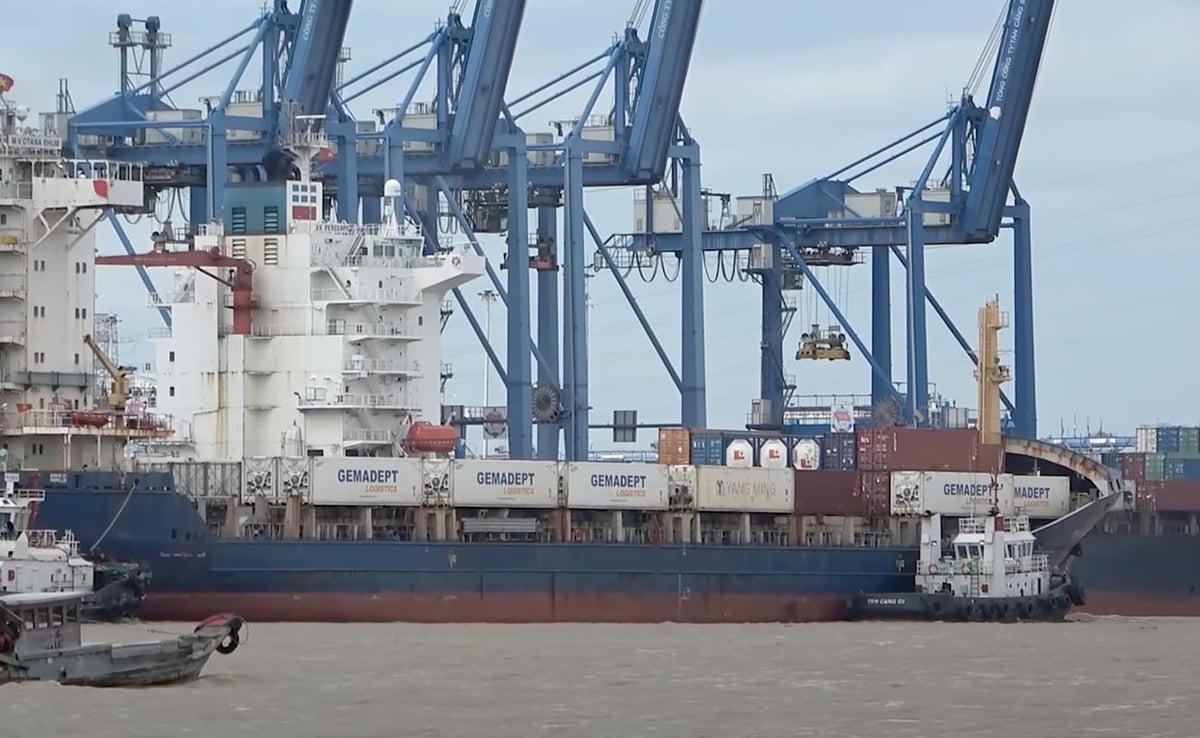
The Middle East conflict has caused maritime shipping costs to rise several times. Photo: Thanh Son.
Currently, pepper exporters are facing major logistical challenges. Shipping lines have raised additional fees for pepper shipments already in transit to importing countries. Overall transportation costs have increased by three to four times compared to previous levels.
Meanwhile, for new shipments, many shipping lines are reluctant to accept cargo due to concerns about risks when passing through Middle Eastern waters. If this situation persists, Viet Nam’s pepper exports could be significantly affected, as nearly 47% of the country’s pepper exports in 2025 were destined for Europe and the Americas, routes that typically pass through Middle Eastern sea lanes.
For the fruit and vegetable sector, the Middle East accounts for a relatively small share of total export turnover, around 3%. Therefore, the conflict mainly affects logistics for shipments destined for the United States and Europe.
Đặng Phúc Nguyên, Secretary General of the Viet Nam Fruit and Vegetable Association, said that to avoid risks in the Red Sea, many shipping lines are choosing to reroute vessels around the Cape of Good Hope in South Africa. This detour adds an additional 10 – 15 days to shipping times, affecting product preservation and significantly increasing both transportation and storage costs.
Shipping companies are also imposing additional war-risk insurance charges. As a result, the transportation cost for each container of fruits and vegetables has risen by two to three times.
Agriculture News | Agri Products Price