

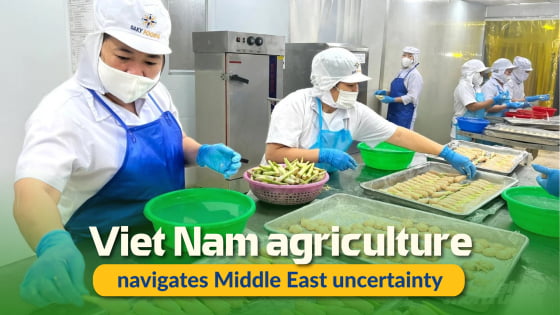
(VAN) Rising logistics costs and input prices are forcing agricultural businesses to stretch their strategies, even accepting losses to maintain global supply chains.
The conflict in the Middle East is having widespread impacts on global trade. Disruptions to shipping routes, sharply rising logistics costs, and unpredictable fluctuations in raw material prices are placing direct pressure on Vietnamese agricultural businesses, forcing them to adapt.
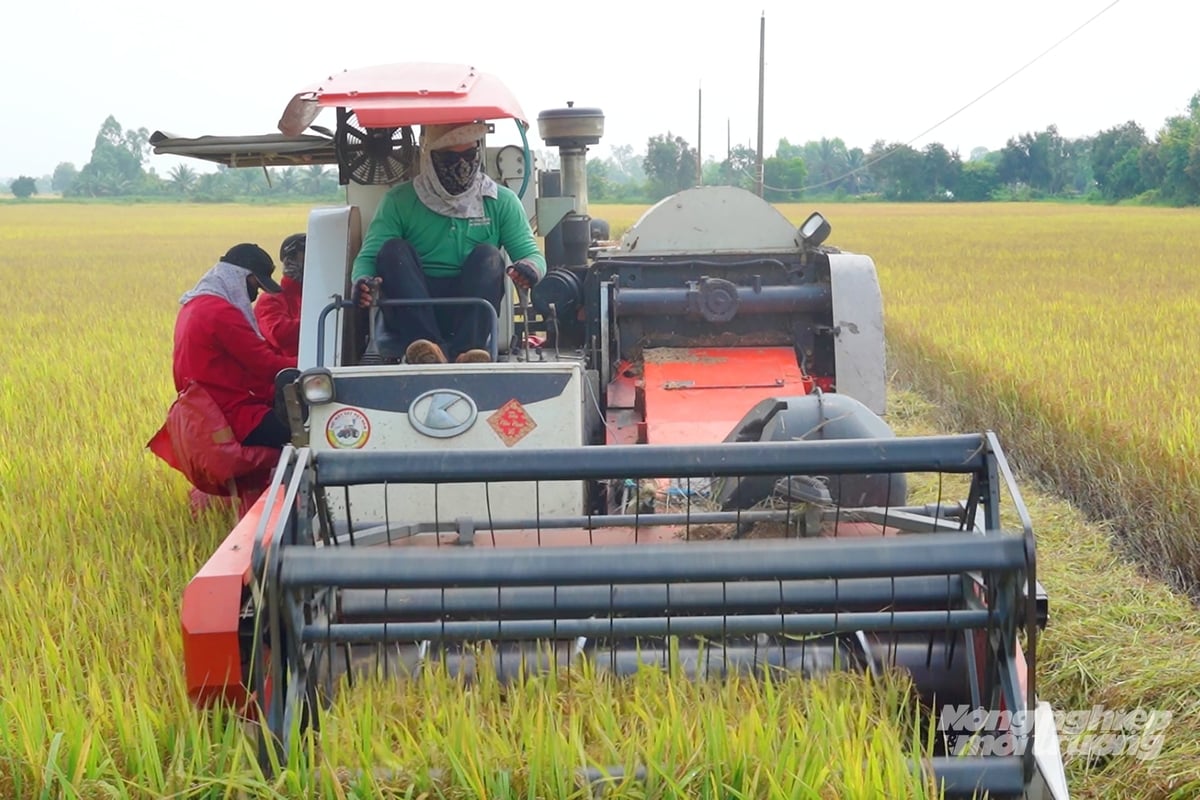
The agricultural sector is facing significant pressure from the impacts of the Middle East conflict. Photo: Nguyen Thuy.
Mounting pressure
Mrs. Lam Thuy Ai, CEO of Mebi Farm, said the company is facing significant pressure as input costs surge while market demand declines. Initially, the company expected the conflict to last only a few weeks and believed it could manage, especially with the government allowing the use of the fuel price stabilization fund. However, as the situation drags on and fuel prices continue to rise, transportation, raw material costs, and the entire supply chain have all increased, while deliveries have slowed.
In response, Mrs. Ai said the company has proactively reviewed costs, scaled production to match orders, minimized inventory, and advised customers to purchase based on short-term demand to reduce risk. Despite rising costs, the company has not raised prices for existing inventory. Due to the nature of the egg industry, production cannot be halted, so the company must continue operations and accept losses to maintain stable production and employment.
Mr. Lu Nguyen Xuan Vu, Chairman of the Saigon Entrepreneurs Association, said that most businesses are currently “absorbing losses” and using reserves to offset them. In the short term, companies are cutting costs, increasing online operations, and optimizing production. However, if the situation persists, price adjustments may become necessary, and businesses hope for consumer understanding.
“In this situation, many businesses are considering expanding into domestic markets and nearby markets such as Southeast Asia to reduce risks,” Mr. Luu Xuyen Xuan Vu said.
In agriculture, the impact is even more evident, as many orders to the Middle East have been suspended, while shipments already at sea face delays or risk not reaching ports on schedule, leaving businesses in a passive position.
To cope, for goods already shipped, many exporters are redirecting to nearer and safer ports. For new orders, many shipments must be postponed or even returned to warehouses while awaiting signals from partners. In particular, disruptions in the Red Sea shipping route have forced vessels to take detours, extending transit times by 15–20 days for exports to Europe and the U.S. East Coast. This not only increases costs by an additional USD 2,000–3,000 per container but also increases the risk for perishable goods such as fresh fruit.
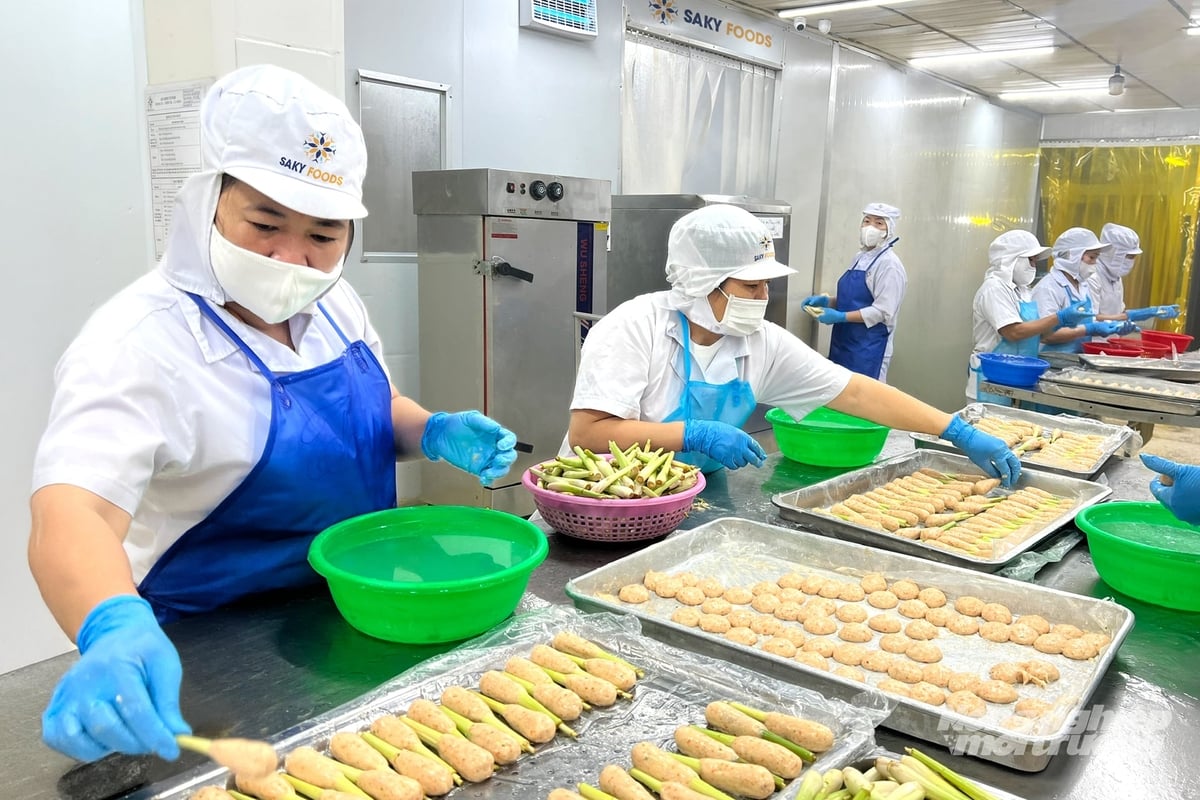
Exporting businesses are facing mounting pressure from escalating costs. Photo: Minh Khanh.
Mr. Phan Van Co, Marketing Director of Vrice Group, acknowledged that businesses and farmers have rarely faced such simultaneous pressure. Each year, the company exports over 20,000 tons of high-value fragrant rice to North America, the Middle East, and Europe. However, all these markets are currently facing difficulties. Europe is tightening pesticide residue standards, the U.S. is reducing imports, and the Middle East, an important gateway to Africa, is disrupted. In the Middle East alone, particularly Saudi Arabia and the UAE, the company exports about 9,000–10,000 tons annually, accounting for roughly 45% of its export volume, so disruptions in this market have a severe impact.
As a processor and exporter of food made from seafood and agricultural raw materials, Sa Ky Food Joint Stock Company (Saky Foods) is not only under pressure from rising input costs, logistics expenses, financial interest rates, and compliance costs, but is also directly affected in its production plans, delivery schedules, and market strategies.
Mrs. Nguyen Kim Thanh, CEO of Saky Foods, said the company is facing dual pressure as raw material costs have increased by 15–20%, while selling prices cannot be adjusted due to pre-signed contracts, forcing the company to bear nearly all cost fluctuations in the short term.
Long-term adaptive capacity
According to Mrs. Thanh, businesses cannot simply “react to incidents” but must build long-term resilience. Saky Foods is implementing a series of solutions to reduce value chain risks, focusing on diversifying supply sources to avoid dependence on a few markets or suppliers.
In logistics, the company is expanding its partner base and transport methods while considering a shift from CIF to FOB terms to gain greater control over shipping lines, insurance, and costs. At the same time, it is restructuring its product portfolio by increasing the share of deeply processed, high-value-added products to improve profit margins and reduce cost pressure.
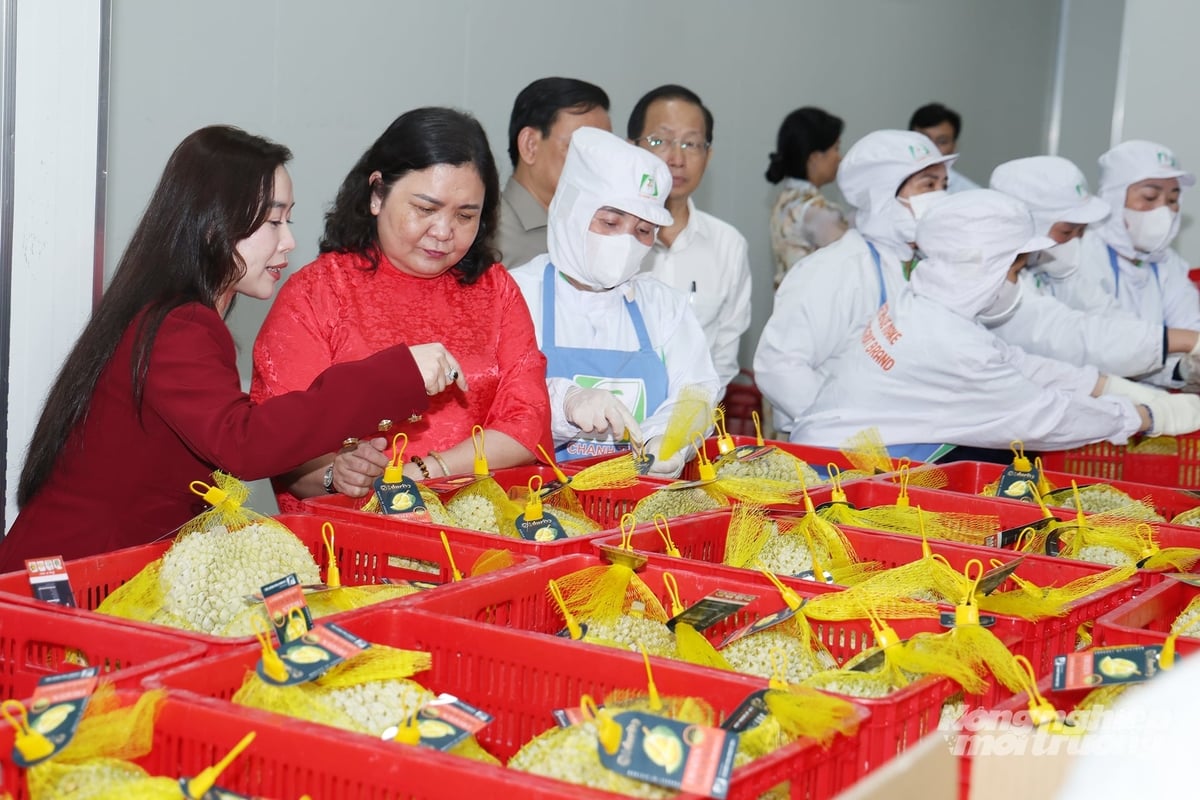
This crisis is forcing each business to reassess its entire operating model. Photo: Viet Huong.
Mrs. Ngo Tuong Vy, CEO of Chanh Thu Fruit Import-Export Group, said plans to expand into the Middle Eastern market may need to be postponed to monitor further developments.
Under cost pressure, the company is shifting to sustainable packaging to reduce its dependence on petroleum-based materials. It is also diversifying transport routes, optimizing packaging, and increasing the share of frozen and processed products to extend shelf life.
As an experienced exporter of fresh fruit, Vina T&T Group has developed a long-term scenario of at least 6 months. Mr. Nguyen Dinh Tung, Chairman and CEO, said the company has worked with shipping lines to stabilize freight rates and ensure container supply, mitigating risks of empty container shortages and fuel price volatility.
Given that fresh fruit cannot be stored for long, the company is increasing its investment in preservation, freezing, and deep-processing technologies to ease consumption pressure. At the same time, it is proactively working with international partners and farmers to adjust production plans and ensure stable output.
On the input side, the fertilizer sector also faces risks of rising prices and supply shortages. Mr. Phung Ha, Chairman of the Viet Nam Fertilizer Association, emphasized the need for coordination across the entire chain, from businesses to farmers and regulators.
For manufacturers, it is essential to stabilize supply, save materials, reduce costs, and promote high-efficiency fertilizer products. The trading sector should diversify import sources, reduce dependence on a single region, and cut intermediary stages.
Agriculture News | Agri Products Price