



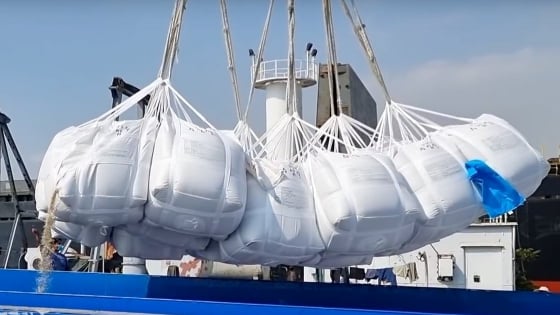
(VAN) Following the Philippines’ decision to resume rice imports from January 1, 2026, Viet Nam’s rice exports to the country have risen sharply, underscoring strong market demand.
Despite ongoing challenges, Viet Nam’s rice exports have remained relatively stable in the early months of the year. Data from the General Department of Viet Nam Customs show that from the beginning of the year to mid-March, rice exports reached 1.74 million tons, up 2.3% year-on-year.
Notably, exports to the Philippines have grown significantly after the country allowed traders to resume rice imports at the start of 2026. In the first two months alone, Viet Nam exported 711,000 tons of rice to the Philippines, a 30% increase compared to the same period in 2025.
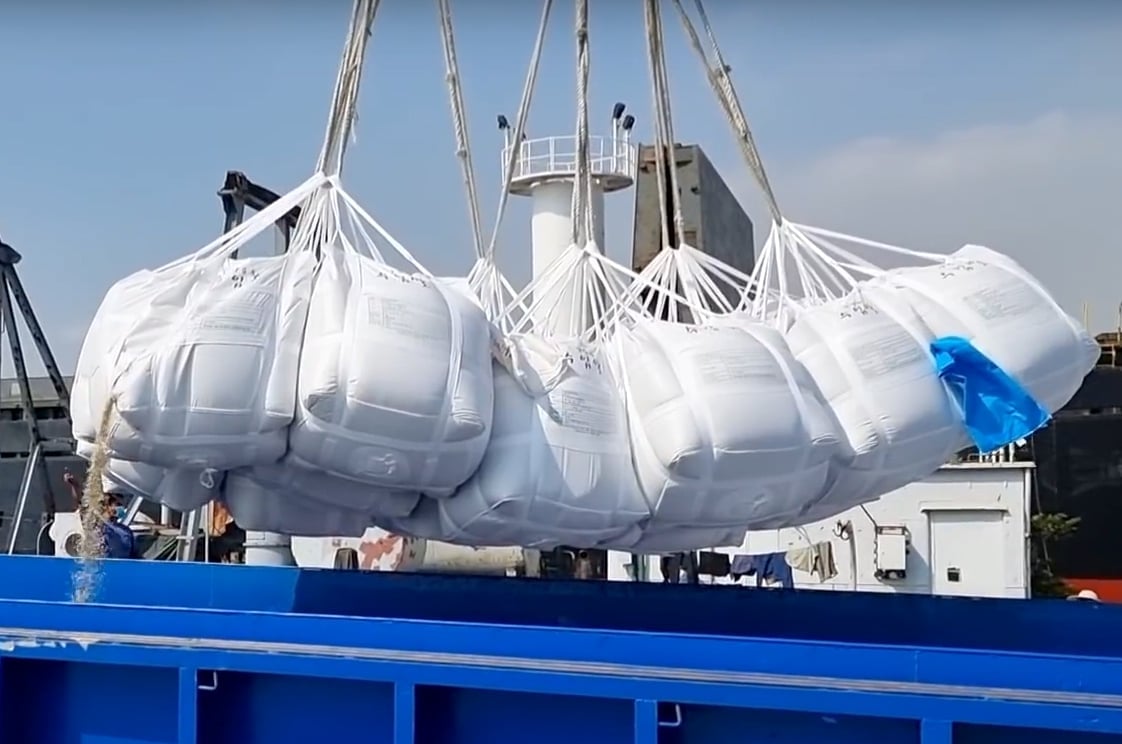
Rice exports to the Philippines have surged in the early months of the year. Photo: Thanh Son,
Do Ha Nam, Chairman of the Viet Nam Food Association (VFA), said that by mid-March, exports to the Philippines had reached around 900,000 tons. If current trends continue, shipments could total 1.5 million tons by the end of April and potentially reach 2 million tons in the first half of the year.
If these projections materialize, exports to the Philippines will not decline compared to the same period in 2025 but may instead increase.
A notable point is that Viet Nam’s rice exports to the Philippines from the start of the year to mid-March have far exceeded the 300,000 tons covered by import permits (SPS) issued by Philippine authorities for the first quarter. This indicates robust import demand in the market.
According to Do Ha Nam, after a four-month suspension of rice imports, supply shortages have emerged in the Philippine market.
The temporary halt also led to a substantial carryover of rice inventories in Viet Nam from late 2025 into early 2026. As a result, once imports resumed, Vietnamese exporters quickly boosted shipments to the Philippines and expanded exports to other high-demand markets, such as China and Malaysia.
Typically, Viet Nam’s rice exports in January are relatively low. However, in January this year, exports reached a high of 651,000 tons.
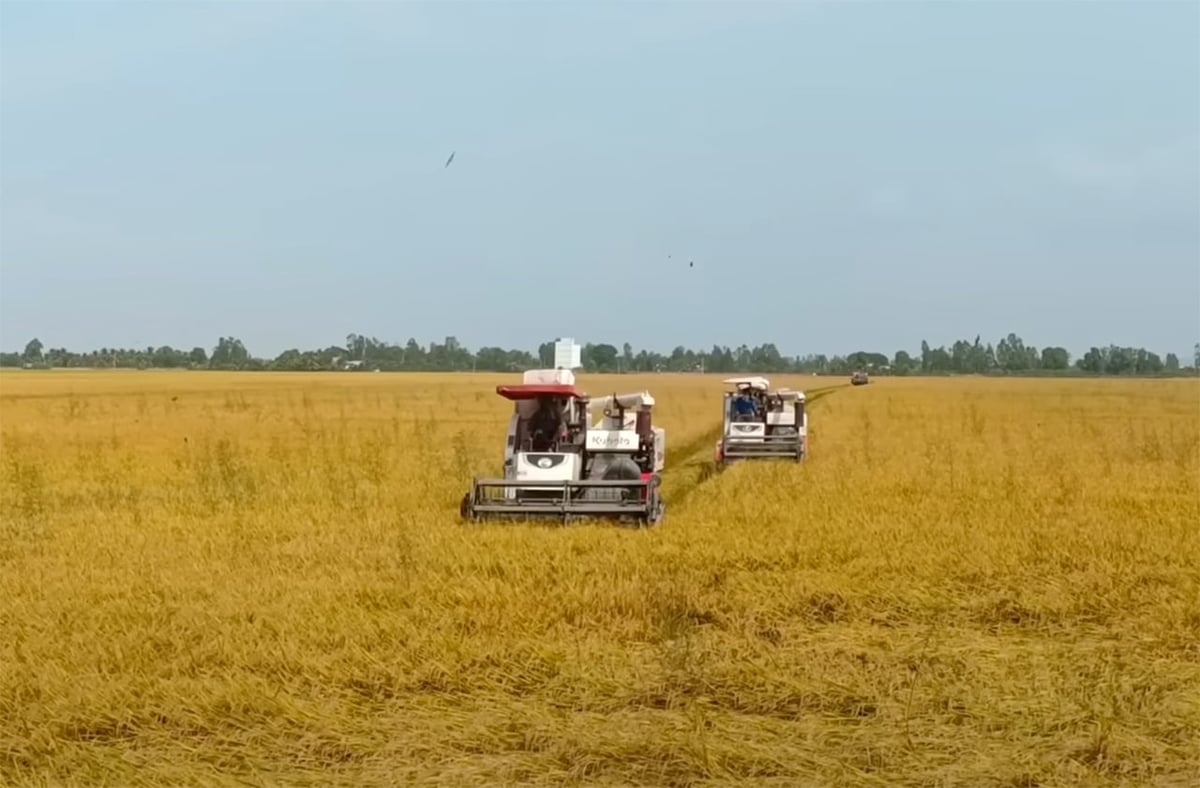
Winter–spring rice harvest 2025–2026 in Tay Ninh. Photo: Thanh Son.
The Philippines continues to show strong demand for imported rice. Its population is increasing by about one million people annually, while domestic agricultural production has stagnated or even declined.
According to the Philippines’ Bureau of Plant Industry (BPI), the country imported 820,000 tons of rice in the first two months of the year, up 49% year-on-year. Of this, imports from Viet Nam accounted for 751,000 tons, representing 87% of the total.
Vietnamese rice has established a strong position in the Philippine market, where it is widely favored by consumers and not easily substituted.
Its competitiveness is further reinforced by shorter shipping times and lower transport costs than those of other suppliers, such as Thailand and Pakistan. Even after adding import duties and logistics costs, Vietnamese rice remains cheaper than domestically produced rice in the Philippines.
Therefore, despite policy adjustments by the Philippines to protect domestic producers and stabilize its internal market, imported rice, particularly from Viet Nam, will continue to play a critical role in ensuring the country’s food security.
For Vietnamese exporters, the key challenge is to strengthen coordination and share benefits to maintain and further enhance the position of Viet Nam’s rice industry in the Philippine market and other key export destinations.
At a recent VFA conference reviewing 2025 and outlining plans for 2026, Nguyen Anh Son, Director General of the Agency of Foreign Trade under the Ministry of Industry and Trade, urged VFA members to enhance unity and cooperation, echoing the Vietnamese proverb: “Trade thrives on partnership.”
One of the world’s leading rice exporters, Viet Nam’s production concentrated in key regions such as the Mekong Delta, which accounts for more than half of the country’s total output and the vast majority of export volume. Favorable natural conditions, including fertile alluvial soil and an extensive river system, have enabled the country to maintain stable, high-yield rice production over decades.
The country’s rice sector has undergone significant restructuring in recent years, shifting from a focus on volume to quality and value. Export portfolios have gradually diversified to include higher-grade and specialty rice varieties, alongside traditional white rice. At the same time, improvements in post-harvest processing, storage, and logistics have strengthened Viet Nam’s competitiveness in global markets.
Agriculture News | Agri Products Price