



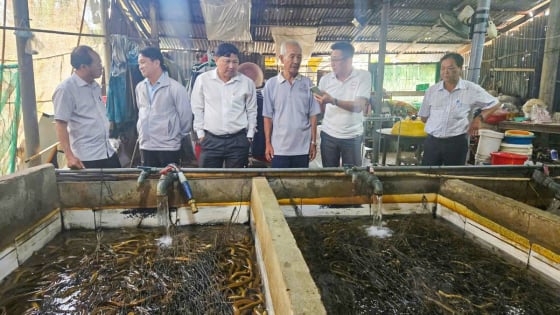
(VAN) Falling eel prices have left farmers in Vi Thuy commune facing losses and large unsold volumes, prompting authorities to seek long-term solutions.
On April 22, the Can Tho City Farmers’ Association, in coordination with local authorities, conducted a field survey on eel farming in Vi Thuy commune. The commune currently has approximately 150 farming households, with an estimated output of nearly 900 tons. However, due to a sharp decline in eel prices, many households are struggling to sell their products.
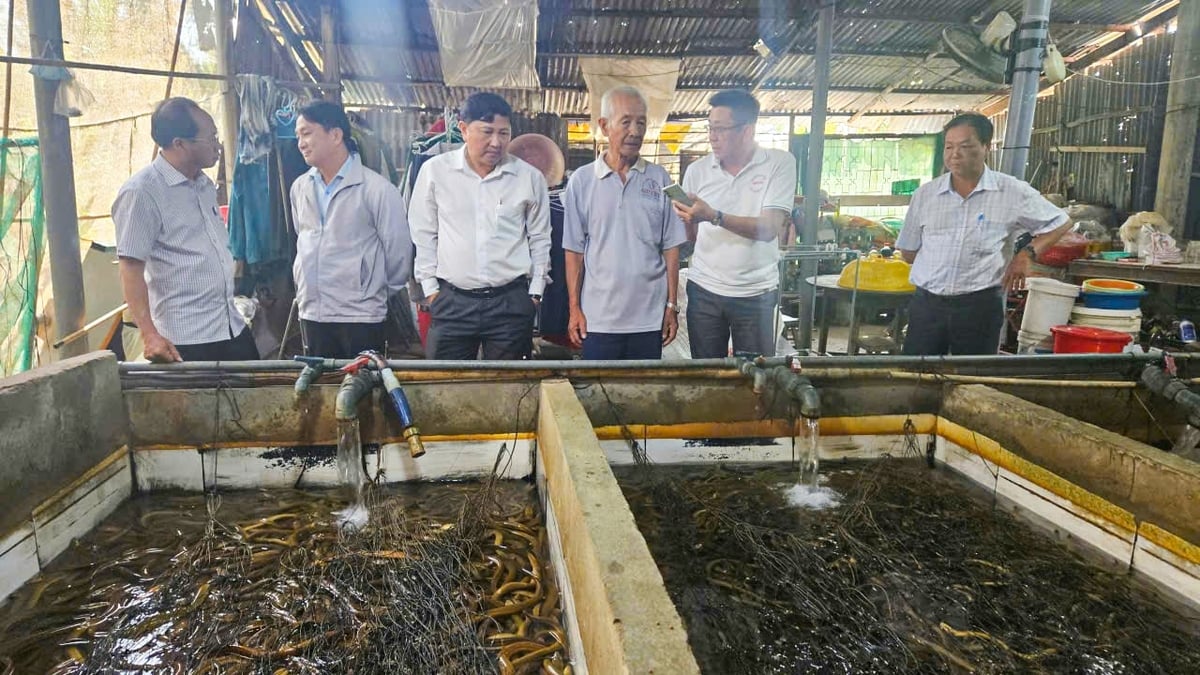
The Can Tho City Farmers’ Association delegation surveys eel farming models in the locality to find solutions to support consumption. Photo: Van Vu.
There are currently 40 households with overgrown eels that have not been sold, with an estimated backlog of 150.5 tons. Prices have dropped to just VND 35,000-40,000 per kilogram, significantly lower than at the end of 2025. Farmers are thus threatened with massive losses.
Pham Van Ut Chot, Vice Chairman of the Vi Thuy Commune People’s Committee, said that local eel consumption is facing serious difficulties as market prices have fallen below production costs while supply remains high. The commune is actively seeking consumption channels and is ready to act as a bridge connecting businesses, cooperatives, and farmers.
Accordingly, the commune will facilitate transportation, provide information on output, sizes, and the number of farming households. It will also support intermediaries to help businesses reach farmers more easily, thereby addressing the backlog.
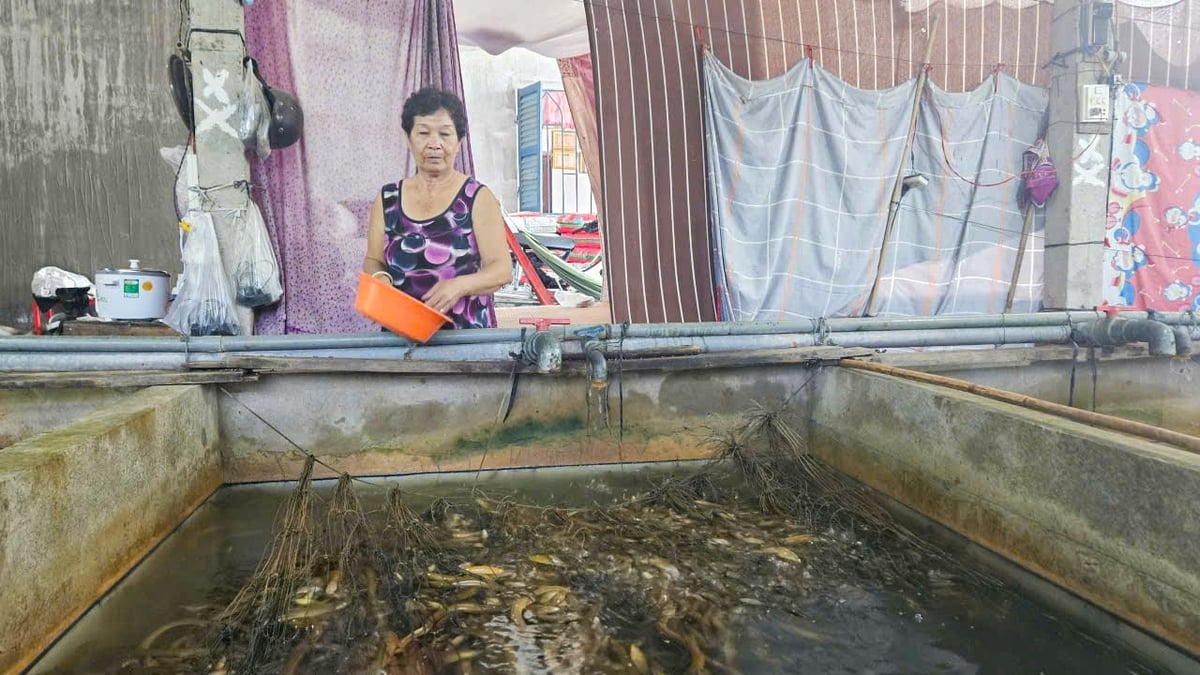
Eel farmers in Vi Thuy commune continue to maintain their stock while waiting for prices to recover despite rising costs. Photo: Van Vu.
“Eel farming once generated high income, with prices reaching up to VND 200,000 per kilogram, allowing farmers to earn substantial profits after costs. However, prices have now dropped to around VND 40,000 per kilogram, roughly VND 50,000 lower than production costs. For farmers to stay afloat, there must be enterprises purchasing at stable prices. Otherwise, it will be very difficult for farmers to continue,” said Tran Van Huynh, Director of Hai Huynh Agricultural Service Cooperative.
Meanwhile, Le Van Man, a farmer in Hamlet 6, Vi Thuy commune, said production costs are VND 45,000-50,000 per kilogram, while current selling prices are only VND 43,000 per kilogram, resulting in losses of VND 5,000-7,000 per kilogram. “If we sell, we lose money; if we keep raising them, we incur more feed costs. After this crop, I may stop farming if prices don’t improve,” he said.
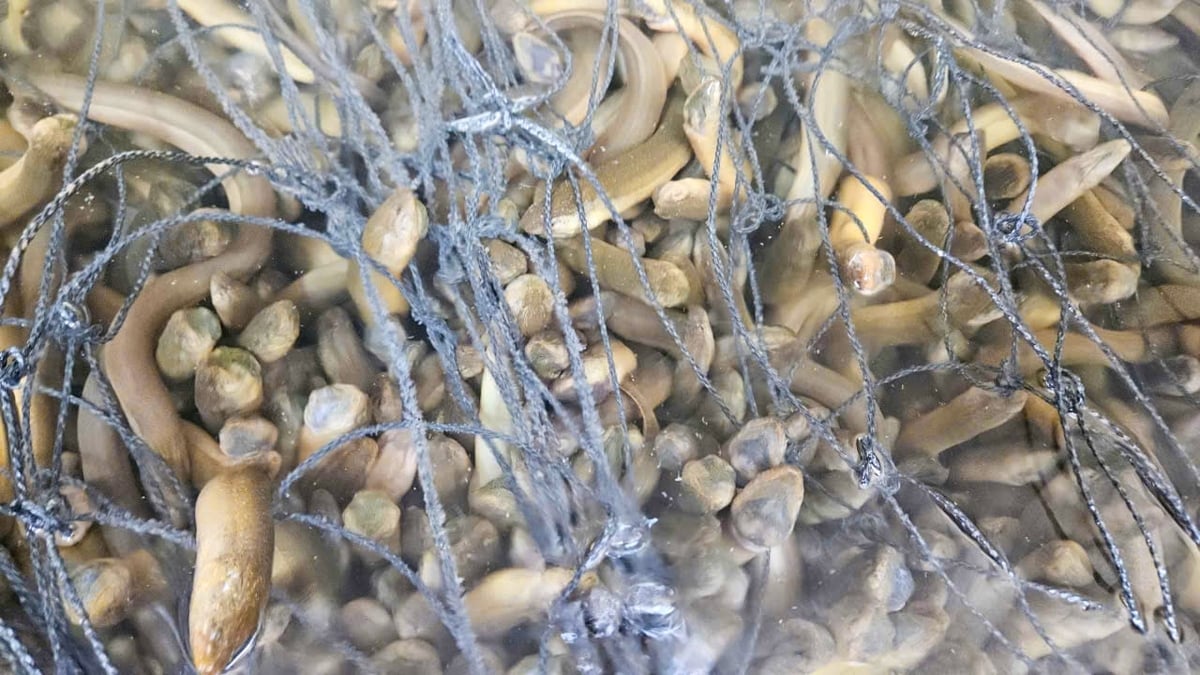
Eels have reached harvest size but remain unsold, forcing many households to keep them in tanks due to falling prices. Photo: Van Vu.
Facing the current situation, Nguyen Van Su, Chairman of the Can Tho City Farmers’ Association, said the total eel output reported by farmers is over 4,000 tons and is being reviewed for more accurate data. Based on this information, the association will coordinate with relevant agencies and businesses to find market outlets.
“In the short term, the association will support the consumption of unsold eels through various channels such as online sales, wholesale, and retail, while promoting the product more widely. In the long run, it will work to reorganize production through stronger linkages, production based on orders, and increased deep processing to enhance value,” said the Chairman of the Can Tho City Farmers’ Association.
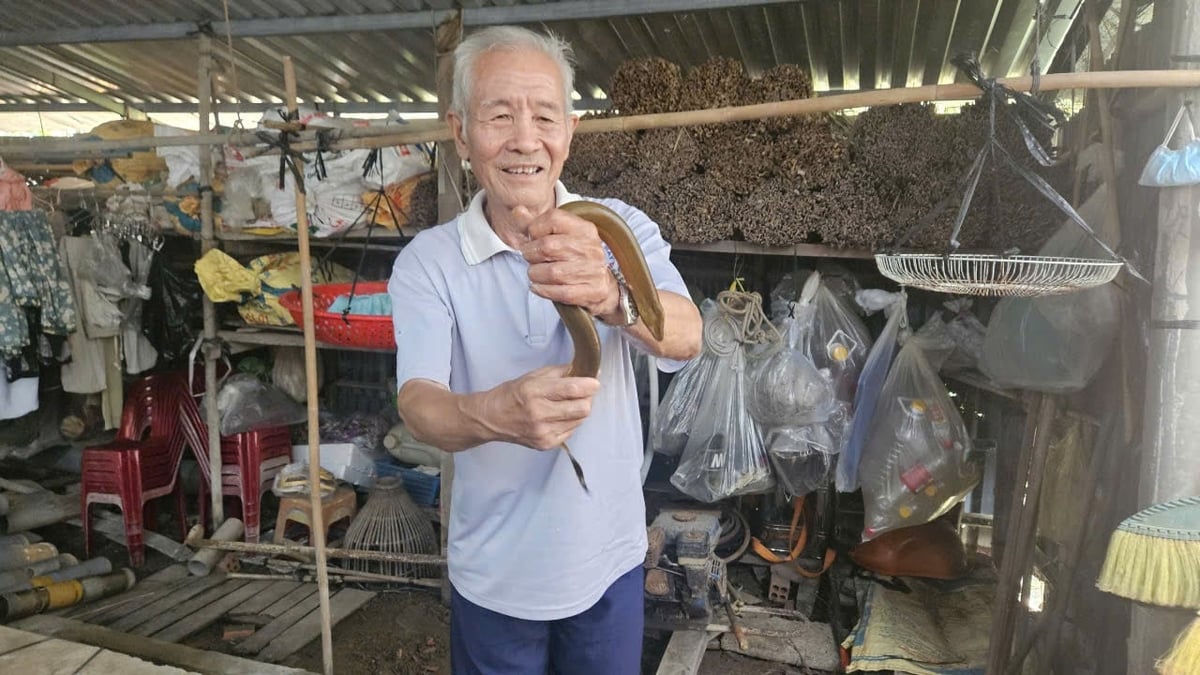
Residents of Vi Thuy commune harvest eels, but unstable market outlets make sales difficult. Photo: Van Vu.
For now, connecting consumption channels and clearing the backlog is considered an urgent solution to reduce financial pressure on farmers. To secure a better future for the eel farming scene, authorities and localities still need to restructure production along value chains aligned with market demand and ensure stable underwriting contracts.
Another solution is to apply science and technology and diversify processed eel products, as this approach is expected to enhance value, extend shelf life, and reduce dependence on the fresh eel market.
With the involvement of the Can Tho City Farmers’ Association, relevant agencies, and local authorities, eel farmers in Vi Thuy commune hope to overcome current difficulties, gradually stabilize production, and move toward sustainable development in the near future.
Over the past 10 years, the mudless eel farming model has emerged in Can Tho City. By the end of 2025, the entire city had over 18 hectares of farming area, with nearly 1,900 households participating.
The advantages of this model include relatively low investment costs, an average farming area of less than 200 m2, and stocking densities ranging from 250 – 500 eels/m2. The model primarily uses tanks lined with tarpaulin or cement, artificially bred fry, and pellet feed. On average, each square meter yields approximately 25 – 30 kg of marketable eels.
These advantages have made mudless eel farming a popular choice for many farmers, but they have developed it in a spontaneous manner. This rapid increase in scale has led to a “supply over demand” situation, with eel prices continuously falling sharply from the end of 2025 to the present.
$1 = VND 26,355 (source: Vietcombank).
Agriculture News | Agri Products Price