


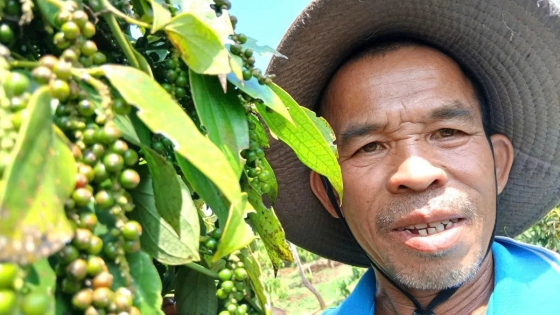
(VAN) Gia Lai is entering the peak pepper harvest season. Although yields in some farms have declined, farmers remain very pleased as pepper prices soar.
At this time, many pepper-growing areas in Gia Lai are entering the peak harvest season. Although unfavorable weather this year has caused yields in some gardens to decline slightly, farmers remain optimistic as selling prices remain high.
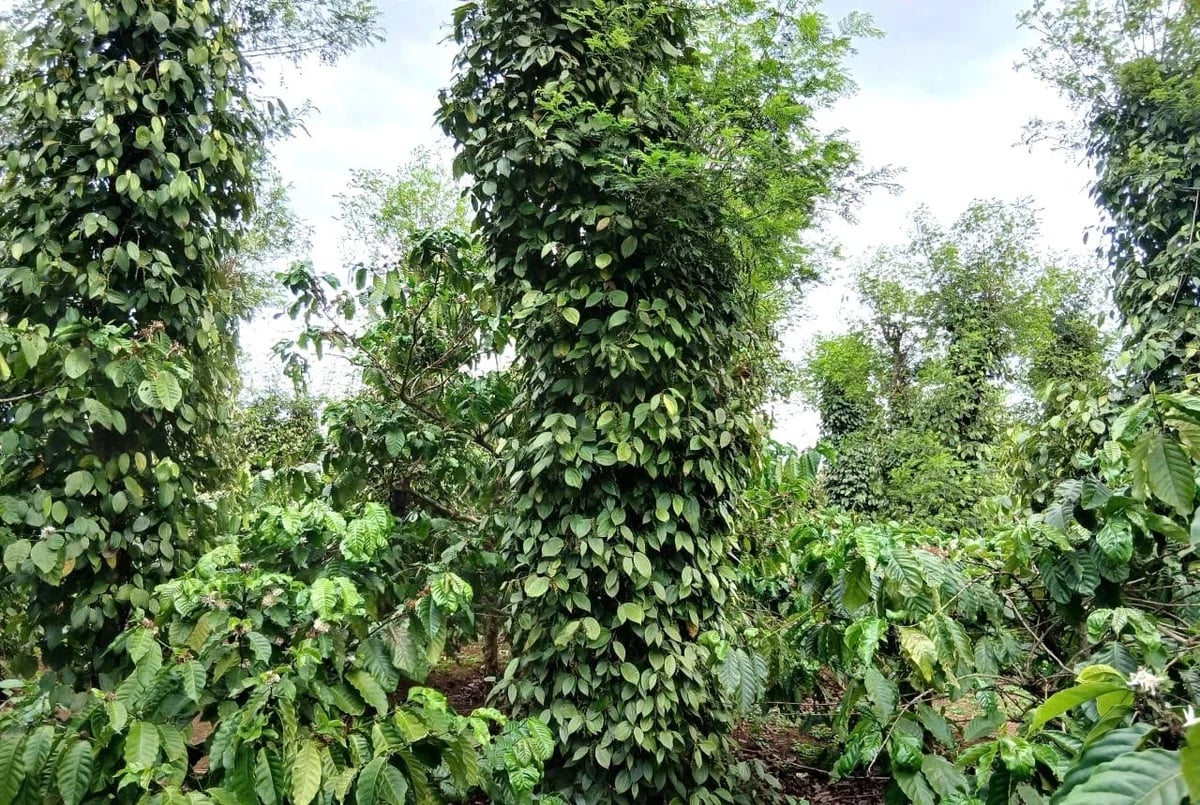
Many pepper gardens in Gia Lai are entering the harvest season. Photo: Tuan Anh.
These days, in Hamlet 3 of Kon Gang Commune, the family of Mr Huynh Mau is busy during the peak of the pepper harvest. In the family’s diversified garden, about 2,500 pepper plants have ripened. Each day, Mr Mau has to hire additional workers to harvest the pepper in time, preventing fruit from falling and ensuring quality. Because pepper is intercropped with many other plants, harvesting is slower compared to monoculture gardens. The extended harvesting period significantly increases labor costs.
According to Mr Mau, weather conditions this year have not been very favorable. In addition, many pepper posts in the garden have entered an aging stage, so yields have declined compared with previous years. Even so, with 2,500 pepper posts, the expected output is still more than 5 tons of fresh pepper. With pepper prices currently staying high at around VND 150,000 /kg, after deducting investment, care, and harvesting costs, Mr Mau estimates that his family will still earn a profit of about VND 400 million.
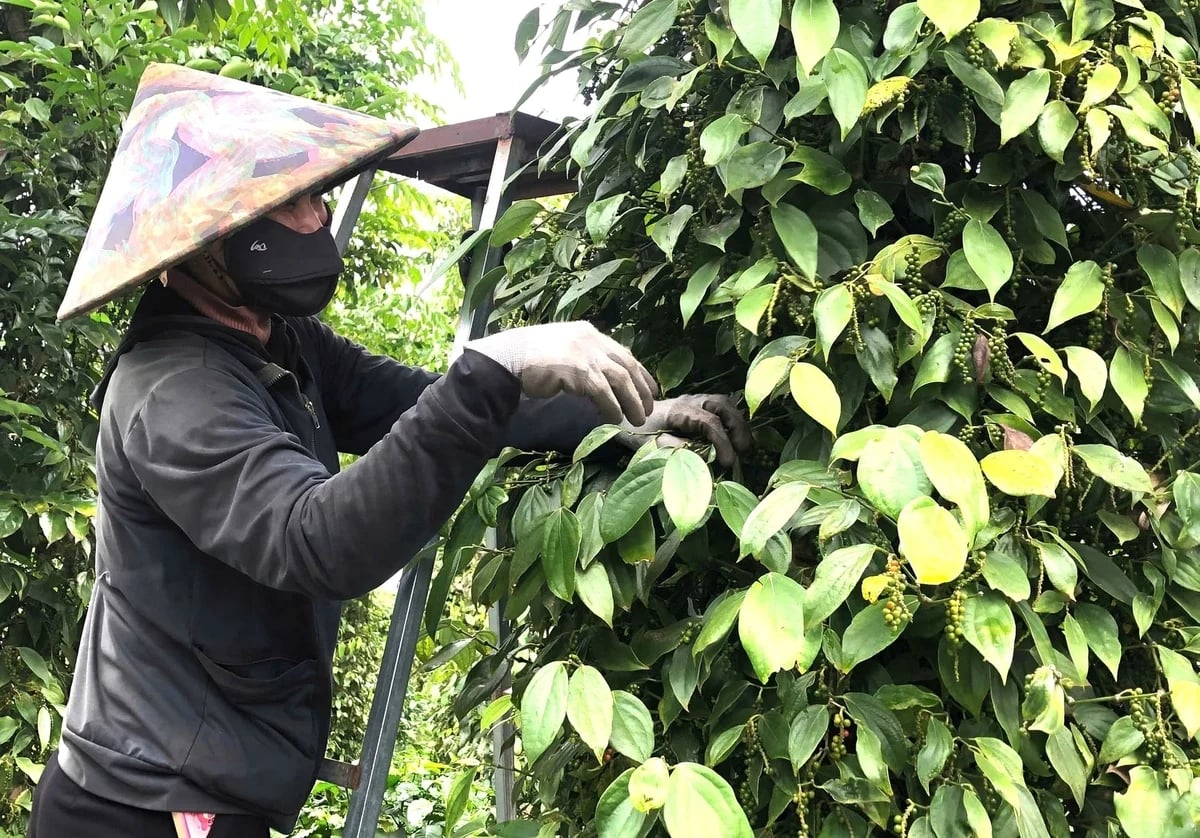
Pepper yields have declined somewhat compared with previous years, but selling prices remain high. Photo: Tuan Anh.
Not only in Kon Gang Commune, but pepper harvesting is also taking place across other key growing areas of Gia Lai Province, such as Chu Se, Chu Puh, Ia Ko, and Mang Yang, with farmers feeling optimistic.
The family of Mr Nguyen Tan Luc in Hamlet 4 of Ia Ko Commune said that although weather conditions this year have been somewhat unfavorable, their pepper garden still maintains relatively stable yields thanks to organic farming practices applied for many years. With this cultivation method, pepper plants grow healthier, pests and diseases are limited, and the garden’s durability is maintained.
Currently, Mr. Luc’s family has about 700 pepper plants ready for harvest, with an average yield of around 3 kg of fresh fruit per plant. With stable production and market prices remaining high at VND 140,000 – VND 150,000 /kg, the family estimates they will earn more than VND 300 million after the harvest.
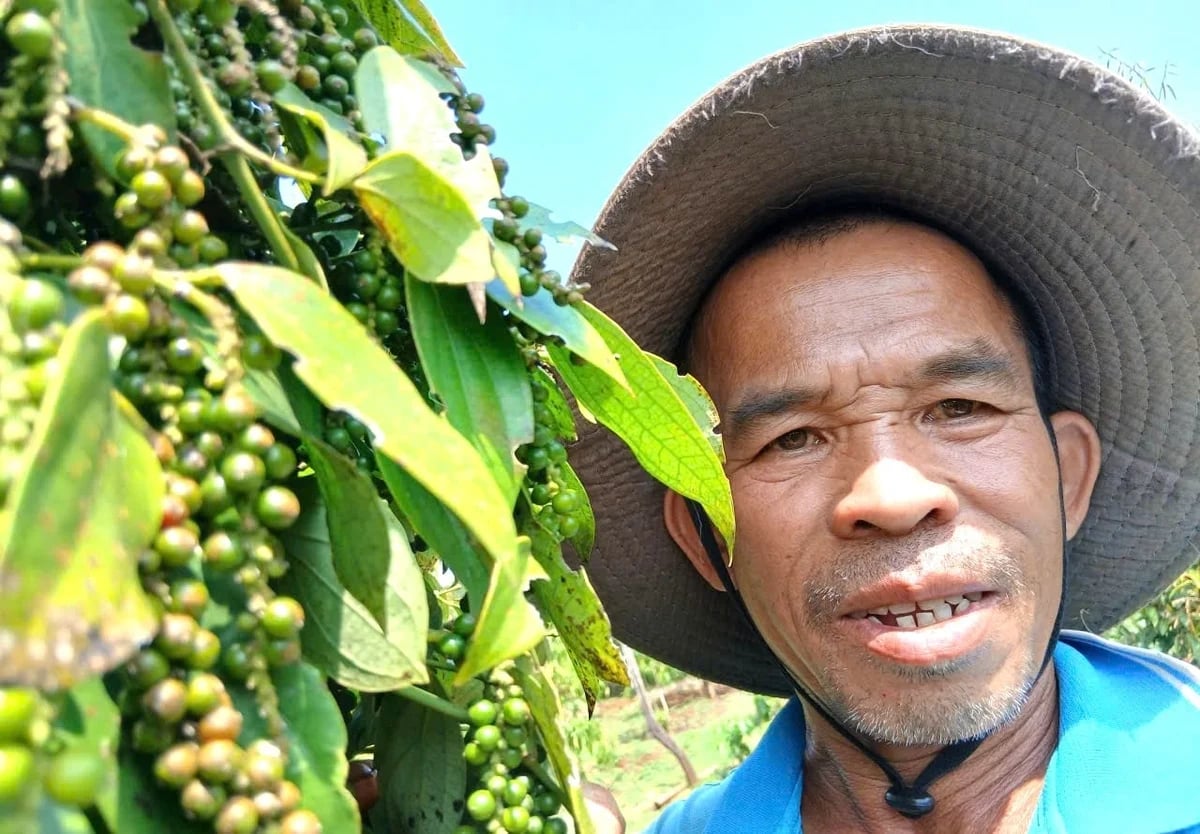
Mr Luc’s family is optimistic as they enter the pepper harvest season. Photo: Tuan Anh.
Mr Nguyen Kim Anh, Head of the Economic Department of Kon Gang Commune, said the commune currently has about 650 hectares of pepper, including 605 hectares in the production stage and around 45 hectares newly planted. At present, farmers are entering the peak harvest period, with an estimated average yield of about 4 tons /ha.
“This year, weather conditions have not been very favorable. In addition, most pepper plantations in the area have entered an aging stage, resulting in lower yields than in previous years. However, thanks to market prices remaining high at around VND 150,000 to VND 160,000 /kg, pepper farmers are still very optimistic during the harvest season,” Mr Anh shared.
Mr Hoang Phuoc Binh, former Standing Vice Chairman of the Chu Se Pepper Association, said domestic pepper prices currently range from VND 150,000 to VND 152,000 /kg, the highest level since early February. According to Mr Binh, this development clearly reflects the supply and demand relationship in the market as supply is trending sharply downward.
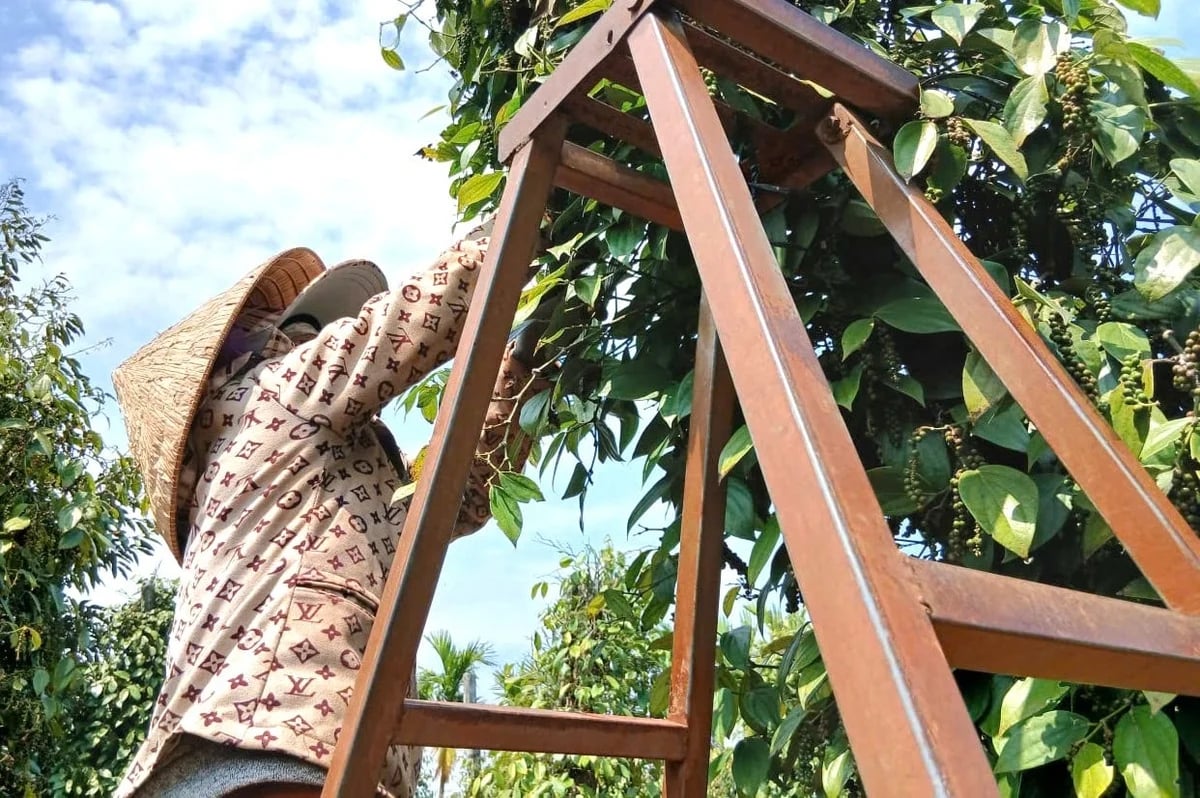
Pepper is a key crop of Gia Lai Province. Photo: Tuan Anh.
Surveys in pepper-growing areas indicate that pepper output this year has decreased significantly. The main reason is prolonged unfavorable weather, which has affected many cultivation areas and reduced productivity. In addition, a large portion of the pepper-growing area has entered the aging stage, leading to declining yields over time.
Furthermore, from 2017 to 2021, pepper prices remained low for an extended period, prompting many farmers to limit investment in planting. By 2022, although some farmers began planting again, the additional area was not large. During 2023–2024, pepper cultivation areas showed signs of increasing, but most of these plantations are still in their early production stage and have not yet compensated for previous supply shortages.
According to Mr Binh, surveys in major pepper-growing regions indicate that output this year has declined by about 10–15%, and in some places even more. Nevertheless, with current price levels, pepper farmers are still earning relatively good profits.
Agriculture News | Agri Products Price