




(VAN) Brazil became the largest market for Vietnamese tilapia, with export turnover reaching USD 8 million in January 2026, accounting for 56% of the sector’s total exports.
Brazil unexpectedly rises to the top
According to the Viet Nam Association of Seafood Exporters and Producers (VASEP), Viet Nam’s tilapia exports in January 2026 reached USD 15 million, surging 334% from January 2025. This result indicates that tilapia is emerging as one of the fastest-growing product segments in Viet Nam’s seafood export structure.
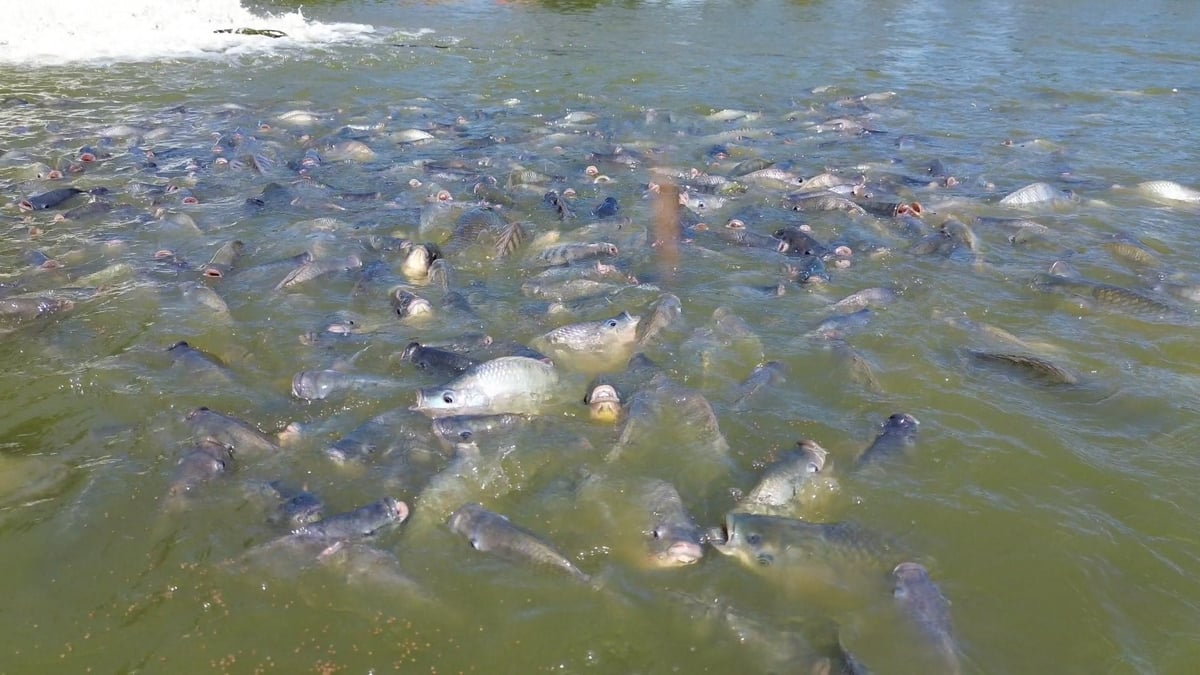
Tilapia is emerging as one of the fastest-growing product segments in Viet Nam’s seafood export structure. Photo: Hong Tham.
Among individual markets, Brazil unexpectedly rose to the top, with export turnover reaching USD 8 million in January, accounting for 56% of the sector’s total exports. This represents a clear breakthrough, indicating that import demand in the South American market is rising sharply. The growth is largely driven by Brazilian consumer tastes, with buyers favoring fillet products or fish cut into portions for home preparation, aligning well with Viet Nam’s strengths in supplying raw materials.
The U.S. ranked second, with export turnover reaching USD 3 million in the first month of 2026, slightly lower than in December 2025 but still accounting for 21% of total exports. This decline is considered normal, as U.S. importers had significantly increased purchases in the fourth quarter of 2025 to serve the holiday season. As a result, imports in the first month of this year tend to slow, although demand in this market remains relatively stable.
Opportunities open up…
Brazil is currently the world’s fourth-largest tilapia producer (after China, Indonesia, and Egypt), with most of its output consumed domestically. As a result, tilapia imports had previously been very limited and did not form a significant trade trend. However, changes in bilateral trade relations, market developments, and Brazil’s domestic policies over the past two years have unexpectedly turned Vietnamese tilapia into a key product in this market.
Statistics show that Brazil imported only about 25 tons of tilapia in 2023, valued at around USD 118,000, with Viet Nam being the sole supplier. In 2024, Brazil almost entirely halted tilapia imports due to a temporary import suspension.
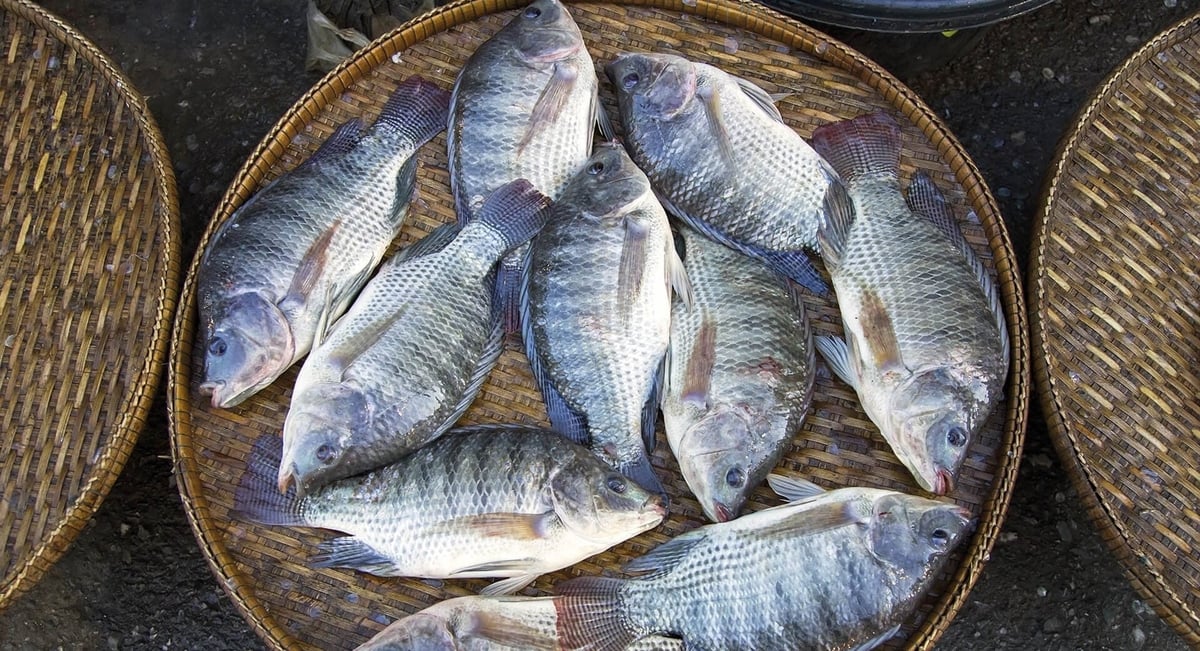
Brazil is currently the world’s fourth-largest tilapia producer (after China, Indonesia, and Egypt), with most of its output consumed domestically. Photo: Peixe BR.
In 2025, after Brazil reopened its market to Vietnamese tilapia, imports increased significantly, reaching about 374 tons (valued at nearly USD 1.5 million) of frozen tilapia fillets from Viet Nam alone. This made tilapia the third most imported farmed seafood species into Brazil (after salmon and pangasius). However, compared with domestic consumption of hundreds of thousands of tons, this import volume still accounts for only a small share. This means there remains considerable potential for import expansion in the coming period.
In terms of outlook, rapidly rising domestic consumption is a key factor shaping the tilapia market in Brazil. Per capita tilapia consumption in Brazil increased from 1.47 kg/person/year in 2014 to about 2.84 kg/person/year in 2023. This is considered a positive signal, opening opportunities to expand Vietnamese tilapia exports to the Brazilian market.
…but challenges remain
Over the past decade, tilapia has emerged as the most important species in Brazil’s aquaculture industry, playing a central role in modernizing production and expanding markets. This also means that Viet Nam will have to compete with Brazil’s rapidly growing domestic production sector.
According to the Brazilian Fisheries Association (Peixe BR), the country’s tilapia output has grown by more than 10% annually for 11 consecutive years, reflecting the sector’s stable and long-term development.
A study by the Fisheries Institute (IP-Apta), under the Secretariat of Agriculture and Supply of the State of São Paulo (Brazil), has promoted the establishment of the country’s first tilapia broodstock bank. This is considered an important foundation for the sector’s sustainable development amid recovering prices and expanding exports.
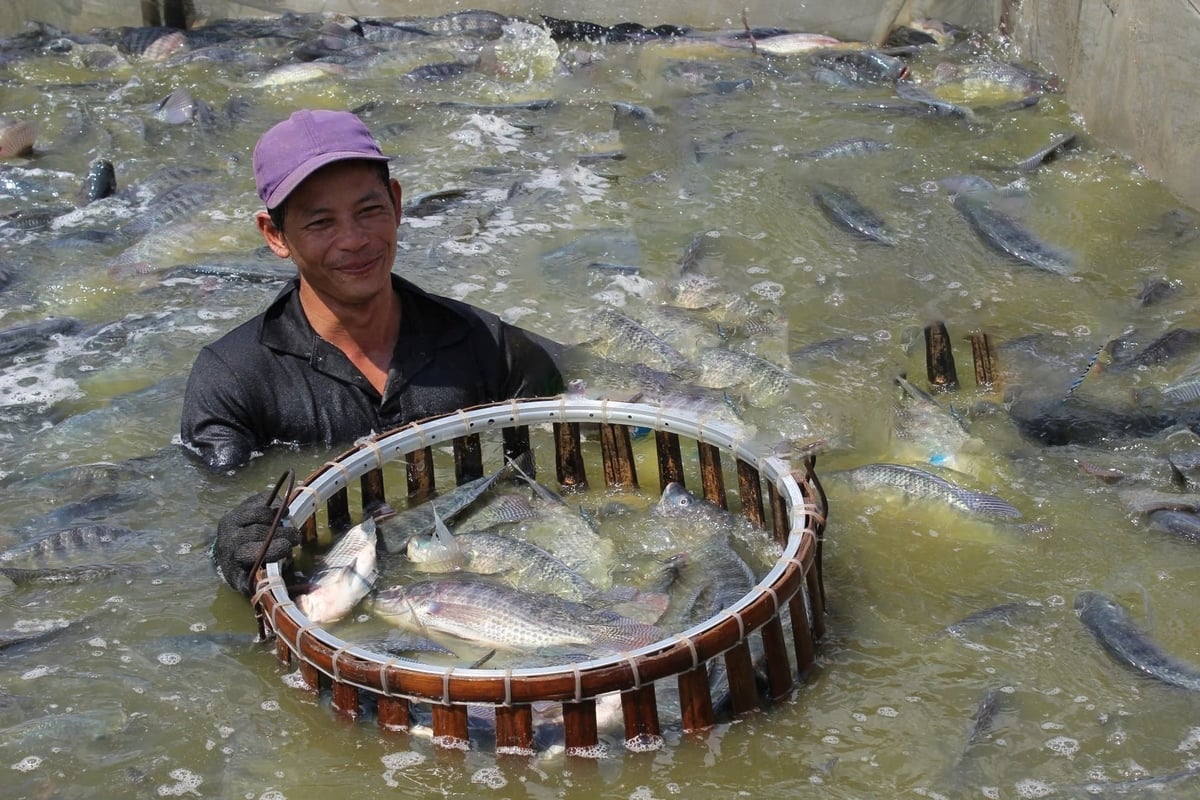
Viet Nam’s tilapia sector needs to focus on improving quality standards and meeting international requirements on sustainable development to build a strong brand. Photo: Hong Tham.
Brazil’s strong investment in science and technology indicates that the country aims to develop a highly competitive tilapia industry in the global market. As a result, Brazil could become both a potential import market and a formidable competitor to Vietnamese tilapia in the future.
In addition, competition in the U.S. market may intensify in the coming period. With the reciprocal tariff currently applied at 10% by the U.S., tilapia from Brazil and China is likely to return strongly, creating considerable pressure on Vietnamese products.
In this context, Viet Nam’s tilapia sector needs to focus on improving quality standards and meeting international requirements on sustainable development to build a strong brand. At the same time, diversifying value-added and convenience product lines will be an important strategy to access younger consumer groups and expand market share in the coming years.
Agriculture News | Agri Products Price