



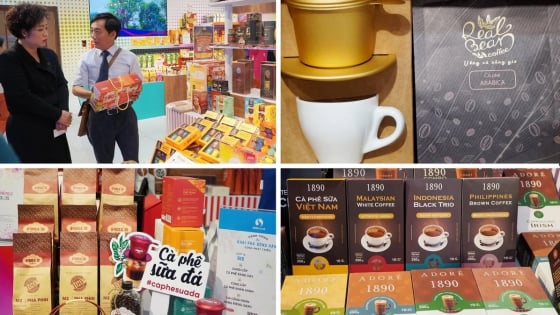
(VAN) Vietnamese enterprises are striving to leverage their advantages to deepen the penetration of agricultural and processed food products into Brazil.
Amid rising geopolitical volatility, businesses are not only facing declining demand in traditional markets but also increasing pressure from higher input and transportation costs. This requires proactive market restructuring, risk diversification, and the search for new growth drivers.
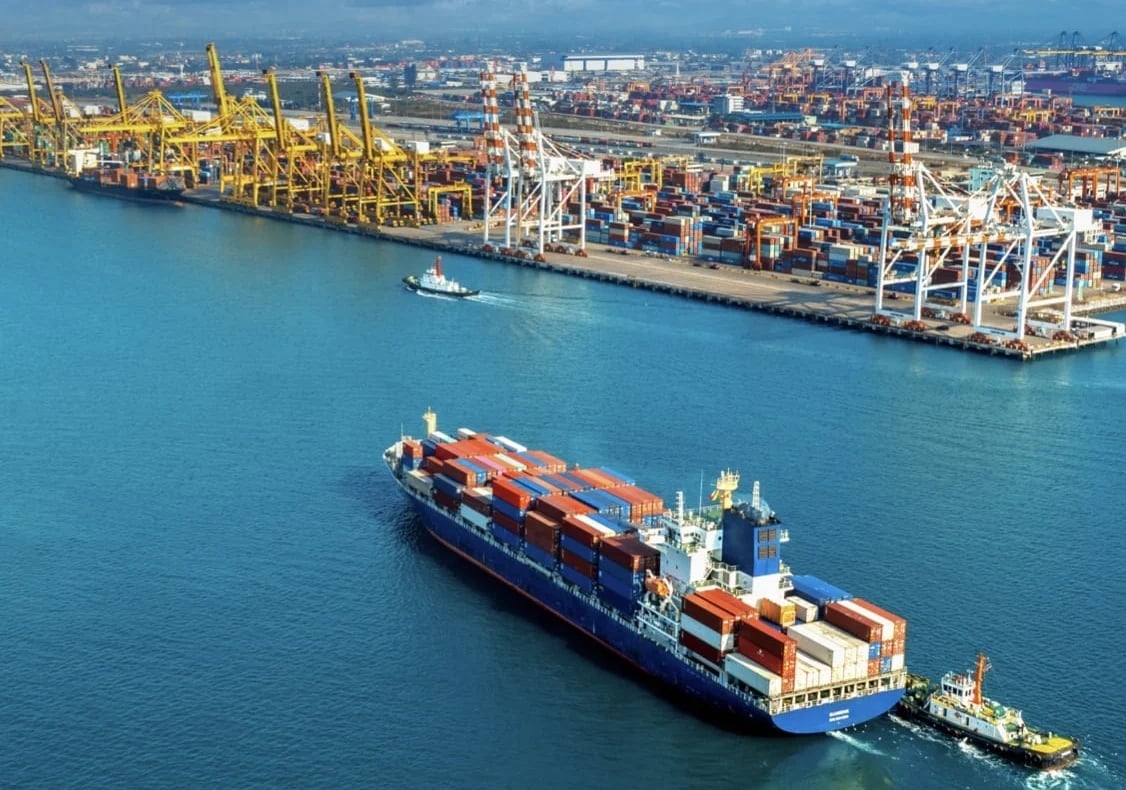
The Vietnam-Brazil shipping route is currently facing a dual challenge of prolonged transit times and instability due to reliance on shipping lines and transshipment networks. Photo: H. Trang.
According to Mr. Le Anh Hoang, Deputy Director of the Ho Chi Minh City Investment and Trade Promotion Center (ITPC), expanding into potential markets that are less affected by geopolitical hotspots, such as Latin America, particularly Brazil, is a necessary direction to ensure sustainable growth.
In recent years, Viet Nam-Brazil trade relations have shown positive signs. In 2025, bilateral trade turnover exceeded $ 7.8 billion, of which Viet Nam’s exports accounted for about $ 2.7 billion, including key products such as mobile phones, electronic components, textiles, footwear, seafood, and pepper.
However, Mr. Le Anh Hoang noted that compared to Brazil’s large import scale, Vietnamese goods still hold a modest share, indicating significant room for growth, especially in processed goods and beverages.
Assessing the potential of the Brazilian market, Mr. Vo Tuan Anh, Deputy Director of Trade Promotion at Ban Me Gold, said that Brazil is a leading global coffee market, particularly known for Arabica. Meanwhile, Viet Nam has a strong advantage in Robusta, the world’s leading coffee variety by production. This difference opens up major opportunities for Vietnamese businesses, especially in processed products such as instant coffee, packaged gift coffee, and high-quality coffee beans.
“We expect to bring deeply processed Robusta products into new markets such as Brazil and the Middle East,” Mr. Tuan Anh said, adding that the company is investing in a 1-hectare factory in Ba Ria – Vung Tau to enhance production capacity for global exports.
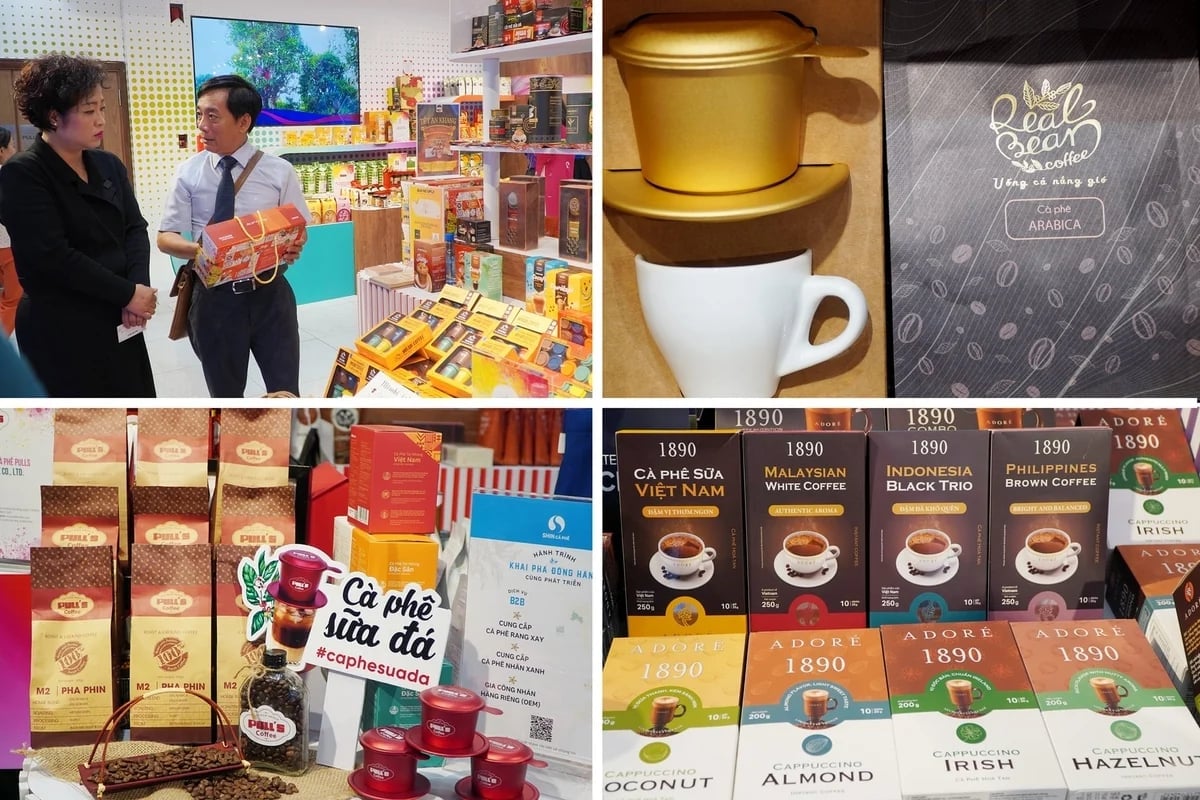
Vietnam has a strong advantage in Robusta coffee, the world’s leading variety in terms of production. Photo: Nguyen Thuy.
Ms. Pham Hong Trang, Viet Nam’s Trade Counselor in Brazil, noted that with a population of over 215 million and a GDP of $ 2.1-2.3 trillion, Brazil is the largest economy in Latin America. It is also a highly protected market with strict technical standards. Agricultural products must pass inspection by Brazil’s Ministry of Agriculture, Livestock and Supply (MAPA), cosmetics and pharmaceuticals are regulated by ANVISA, and industrial goods must meet standards set by INMETRO. In addition, Portuguese labeling requirements and trade defense measures, especially anti-dumping duties, remain major barriers.
To seize opportunities, Vietnamese businesses need to adopt long-term market-entry strategies, focus on product localization, and select appropriate distribution channels. At the same time, they must strictly comply with technical standards and proactively manage trade risks.
Brazil also serves as a key gateway to the MERCOSUR bloc (including Brazil, Argentina, Uruguay, and Paraguay). Currently, Viet Nam’s exports to Brazil mainly consist of seafood, rubber, textiles, footwear, and steel.
Agriculture News | Agri Products Price