



(VAN) Global and domestic rice prices rose in tandem in early April, with notable gains across multiple segments, particularly fragrant rice.
Behind the move is a strong rebound in import demand, led by the Philippines, the largest buyer of Vietnamese rice, where purchases have surged, providing a significant lift to the market.
Philippine demand “triggers” price rally
According to exporters, the past week marked a clear reversal in international rice prices. After a period of stability, prices from major exporting countries, including Thailand, India, and Viet Nam, have all moved higher again. Vietnamese rice posted the strongest gains, rising by $3 to $15 per ton depending on the grade.
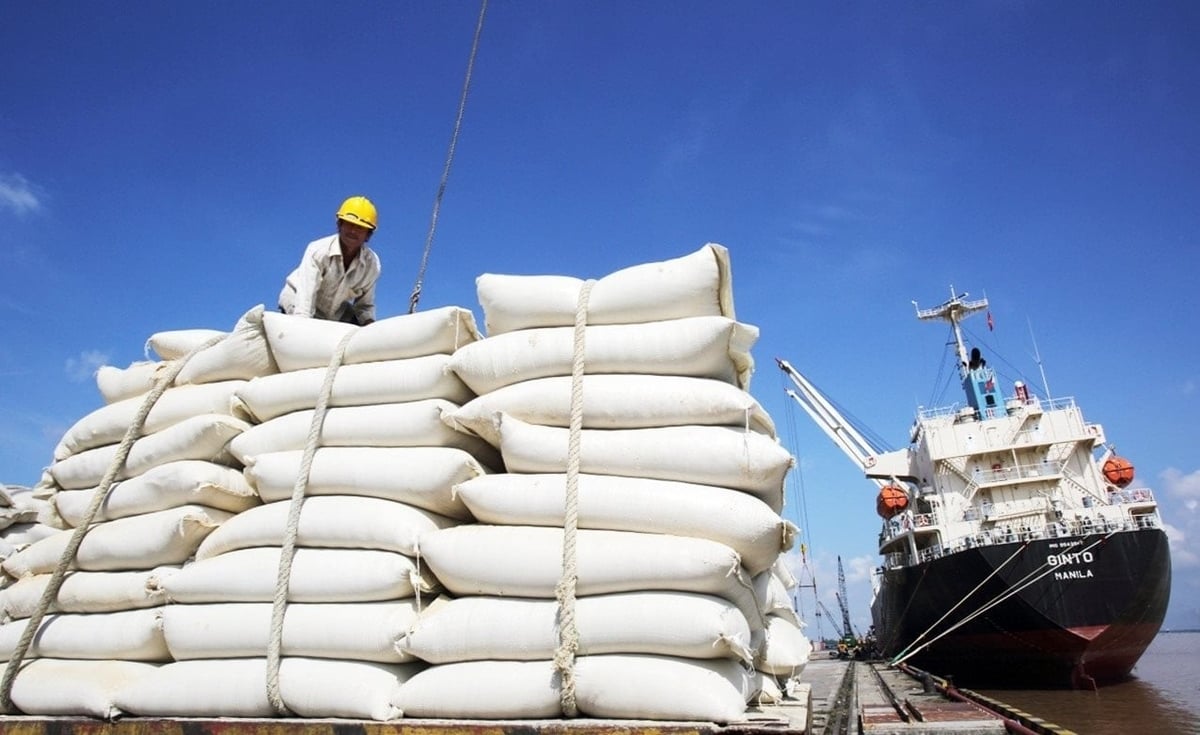
After a period of stability, prices from major exporting countries including Thailand, India and Vietnam have all moved higher again.
Fragrant rice continues to lead the market, climbing as much as $15 per ton from early April to around $445 per ton. Jasmine rice gained $5 per ton, while 100% broken rice edged up by $3 per ton. The increases reflect a market shift toward higher-quality, value-added products.
The primary driver is a sharp increase in import demand, particularly from the Philippines. Latest data show that in March 2026 alone, the country imported about 440,000 tons of rice, the highest monthly level since the start of the year. In the first quarter, total imports reached nearly 1.26 million tons, up 37% year-on-year.
Notably, this figure far exceeds the Philippine Department of Agriculture’s initial import plan. With a target of around 750,000 tons for the period, actual imports have surpassed that by nearly 500,000 tons, underscoring stronger-than-expected domestic demand.
Within this picture, Viet Nam remains the dominant supplier, shipping nearly 1.1 million tons, or about 85% of the Philippines’ total rice imports. The wide gap with competitors such as Thailand and Myanmar highlights Viet Nam’s strong competitive position in this market.
Beyond the Philippines, demand from other markets is also showing signs of recovery. China, Viet Nam’s second-largest market, has recorded a sharp increase in imports, further supporting export prospects in the coming period.
Tighter supply pushes domestic prices higher
Alongside robust external demand, the domestic market is also being shaped by tightening supply. The winter-spring harvest in the Mekong Delta, Viet Nam’s largest rice-producing region, is entering its final stage, gradually reducing the availability of raw paddy.
This has quickly fed into domestic prices. Within a week, paddy prices rose by 100–200 VND per kilogram. High-quality long-grain varieties such as Dai Thom 8 and OM 18 are now trading around 6,000–6,200 VND per kilogram. IR 5451 has also increased to roughly 5,600–5,700 VND per kilogram.
At the level of milled rice, prices have followed suit. DT8 rice is priced at 9,300–9,500 VND per kilogram, while IR 5451 ranges from 8,700 to 8,800 VND per kilogram. The gains are modest but sufficient to establish a steady upward trend, reflecting a new supply-demand balance.
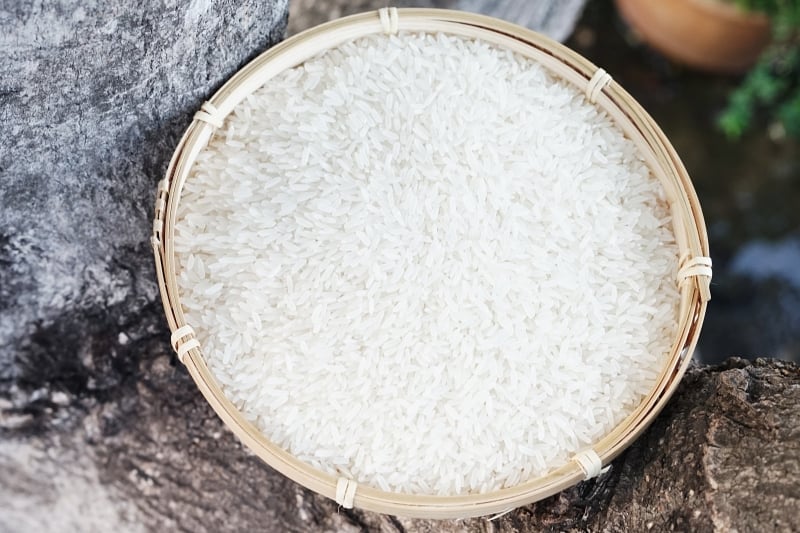
Vietnam’s rice exports in the first quarter of 2026 maintained positive growth, reaching about 2.6 million tons. While the increase is not dramatic year-on-year. Photo: Minh Anh.
Cost factors are also contributing to the rise. Transportation and logistics costs, both international and domestic, remain elevated. In addition, warnings about a potential new El Nino cycle are prompting countries to bolster food reserves, indirectly pushing rice prices higher.
In this context, Viet Nam’s rice exports in the first quarter of 2026 continued to grow, reaching about 2.6 million tons. While the increase is not dramatic year-on-year, the market structure is shifting in a favorable direction, with stronger demand from major buyers.
Experts say rice prices are likely to remain elevated in the short term, as import demand shows no sign of easing while supply from major producers remains limited.
Over the longer term, rising consumption of high-quality, fragrant and specialty rice continues to open opportunities for Viet Nam to enhance export value. However, to fully capitalize on this trend, the sector will need to further improve product quality, stabilize supply and strengthen logistics capacity.
The recent surge in demand from the Philippines is not only a short-term price catalyst but also underscores the country’s growing importance to Viet Nam’s rice exports. With demand still robust and global supply yet to stabilize, Vietnamese rice is well-positioned to consolidate its standing on the global food map.
$1 = VND 26,361 – Source: Vietcombank.
Agriculture News | Agri Products Price