




(VAN) As rice production in Japan declines, driving domestic prices higher, the country is showing greater interest in imported rice, including rice from Viet Nam.
Retail rice prices have risen sharply due to domestic supply shortages, leading to a growing trend of rice imports into Japan.
According to the Viet Nam Food Association (VFA), Japan’s Ministry of Agriculture, Forestry and Fisheries (MAFF) recently announced plans to import 1,395 tons of rice through a Simultaneous Buy and Sell (SBS) tender under the Comprehensive and Progressive Agreement for Trans-Pacific Partnership (CPTPP). The tender is scheduled to take place on March 10, 2026, from 11:00 to 12:00 (Japan time).
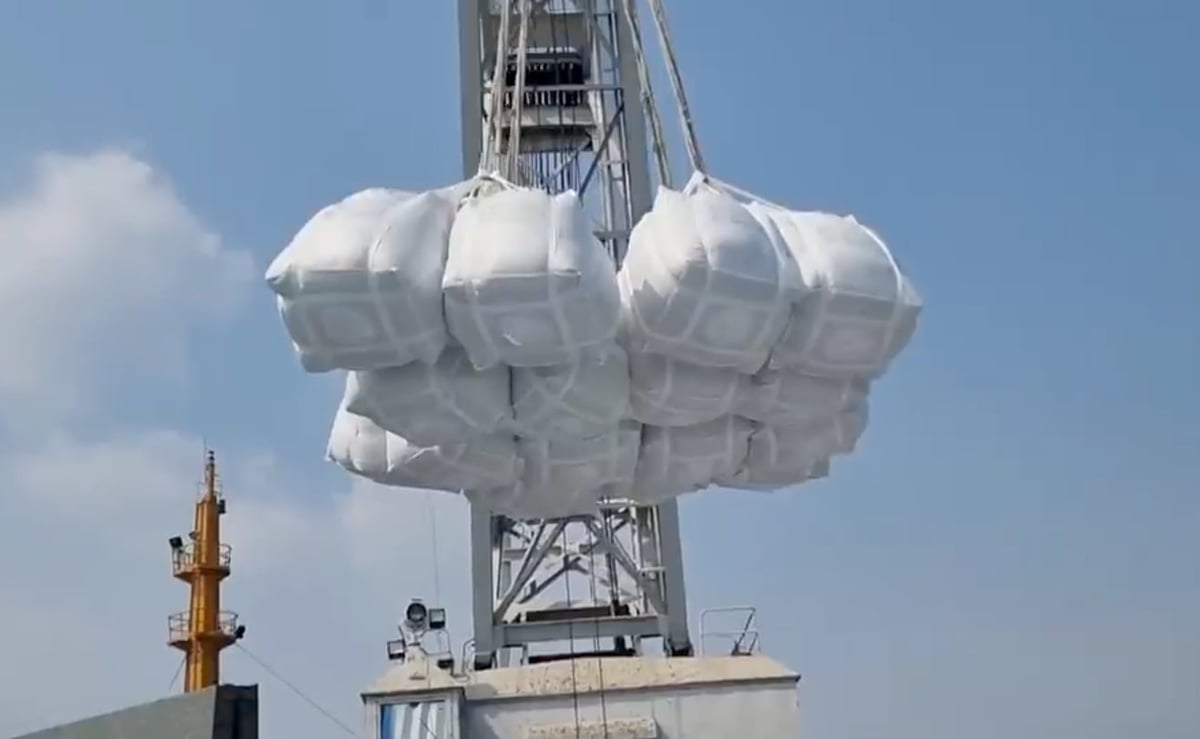
Rice being loaded onto a ship for export at Sai Gon Port. Photo: Thanh Son.
This is the sixth SBS tender under the CPTPP in the 2025/26 fiscal year (April 2025 – March 2026). The tender is conducted under the CPTPP, a trade agreement linking member economies including Australia, Brunei, Canada, Chile, Japan, Malaysia, Mexico, New Zealand, Peru, Singapore and Viet Nam.
Japan’s Ministry of Finance reported that in 2025, the country’s private-sector rice imports reached 95,834 tons, 95 times higher than in 2024. The United States, Taiwan and Viet Nam were the three largest suppliers to the private import market. Of this, imports from Viet Nam totaled 4,567 tons.
Private-sector rice imports into Japan continued to rise sharply in January 2026 as high domestic rice prices pushed buyers to seek cheaper overseas supplies.
Data from Japan’s Ministry of Finance show that private-sector rice imports in January surged to more than 4,900 tons, nearly 12 times higher than the same period last year, with most supplies coming from the United States, followed by Thailand and Viet Nam.
Even with a high tariff of 341 yen per kilogram imposed on privately imported rice, imported rice remains cheaper than domestically produced rice in Japan. This highlights the significant level of domestic price inflation. The trend indicates that Japanese traders and retailers are increasingly willing to pay the tariff to secure more affordable supplies, suggesting that import volumes could continue to rise if domestic prices remain high.
According to Kyodo News, the Japanese government announced that the Ministry of Agriculture, Forestry and Fisheries (MAFF) will release about 100,000 tons of rice from public stockpiles each month throughout the summer in an effort to stabilize soaring retail prices and ease domestic supply shortages. The move comes as rice prices have reached record highs, more than double compared to a year earlier, due to poor harvests, rising demand and declining inventories, putting pressure on consumers and businesses.
By releasing reserve rice into the market and increasing overall supply, Japanese authorities hope to curb price increases and improve accessibility, although the scale and timing of the release also reflect the persistent challenges facing Japan’s rice market.
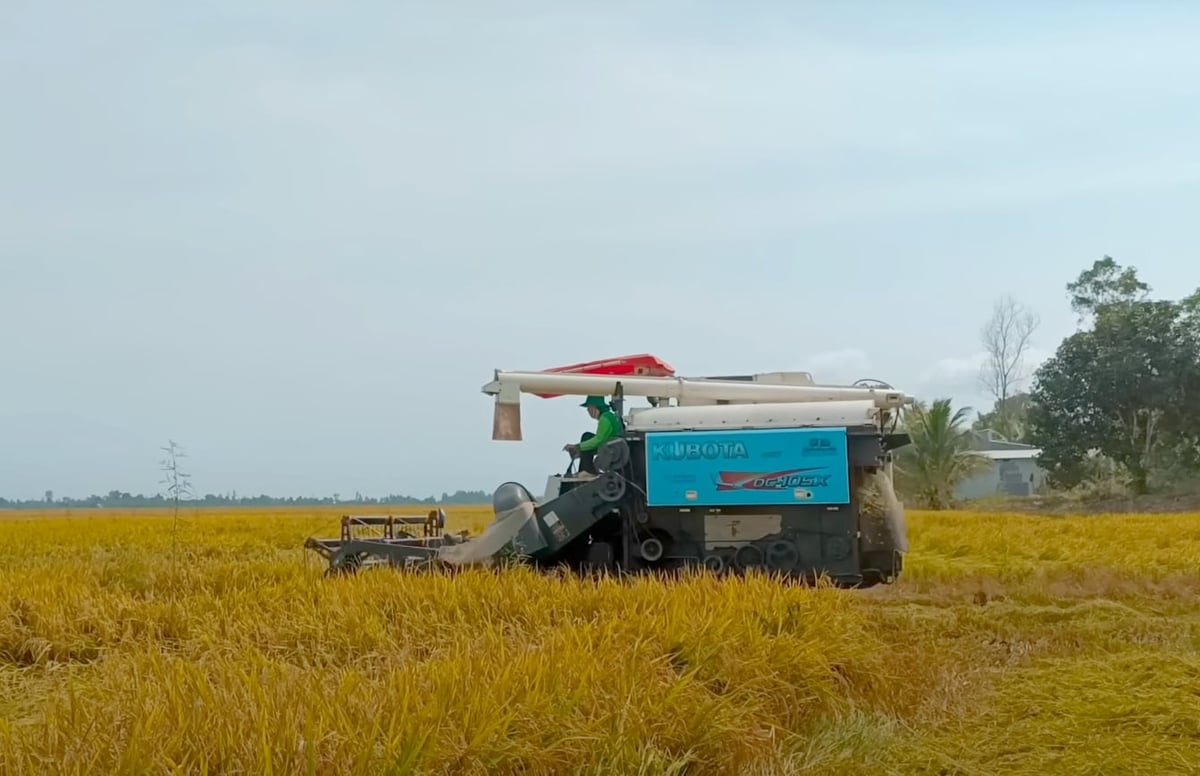
Farmers harvesting rice in the Mekong Delta. Photo: Thanh Son.
Although Japan is not yet a major market, Vietnamese rice traders are paying increasing attention to it.
Mr. Do Ha Nam, Chairman of the VFA, said that in recent years Vietnamese companies have been exporting fragrant rice to Japan.
Despite very high import tariffs of up to 400%, Vietnamese rice sold in Japan remains significantly cheaper than domestically produced rice. As a result, whenever a shipment of Vietnamese rice arrives in Japan and is distributed through retail channels, it usually sells out within a few days.
Currently, about 600,000 Vietnamese expats in Japan, a number that could rise to 1 million as Japanese companies increasingly recruit Vietnamese workers. Consequently, demand for Vietnamese rice in Japan is growing, and Japan could become a noteworthy market for Viet Nam’s rice exports in the future.
According to Mr. Do Ha Nam, an assistant to the Minister of Agriculture, Forestry and Fisheries of Japan, who recently visited Viet Nam to meet and work with the VFA.
Information from the assistant indicated that Japanese farmers are increasingly reducing rice production because it is not very profitable and is physically demanding, especially as most farmers in Japan are elderly. As a result, Japan’s domestic rice output has declined by about 1 million tons, prompting the government to step up efforts to compensate with supplies from other sources.
Regarding Vietnamese rice, Japan is showing strong interest in Viet Nam’s project to develop one million hectares of high-quality, low-emission rice in the Mekong Delta, as well as the country’s fragrant rice development strategy through 2030.
Agriculture News | Agri Products Price