

(VAN) The halal economy is no longer a niche religious market but is emerging as a strategic growth driver for Viet Nam as it pursues its ambition of achieving double-digit economic growth.
With the global halal economy projected to exceed $10.5 trillion by 2030, the sector is increasingly viewed as a key pillar of sustainable development and international economic integration.
At the international scientific conference titled “Halal Economy: A Driver of Sustainable Development”, leading experts, diplomats and policymakers described the halal economy as a “sleeping giant” now awakening on the global stage.
The conference was jointly organized by the Institute for South Asian, West Asian and African Studies (ISAWAAS) under the Viet Nam Academy of Social Sciences (VASS), the University of Commerce and the Institute for Socio-Economic and Environmental Studies (IESE), as Viet Nam seeks to position itself for what officials describe as a new era of national advancement.
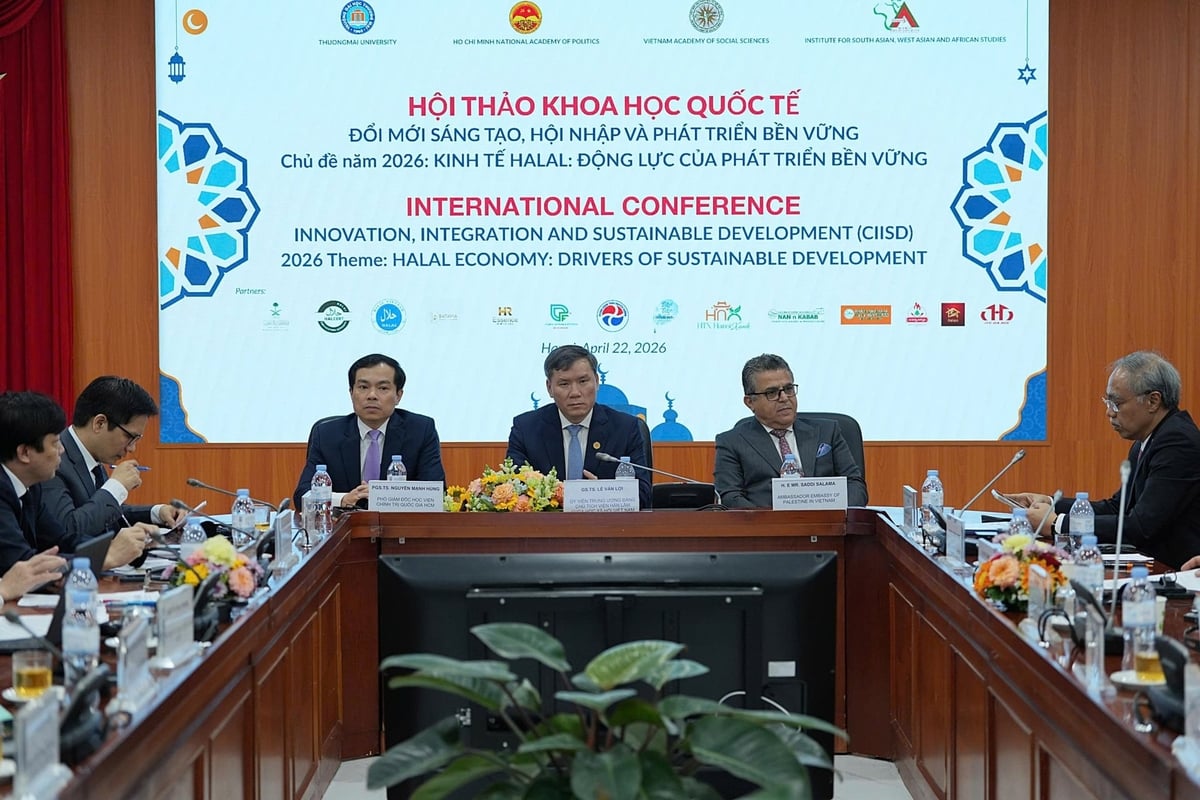
From left: Associate Professor Nguyen Manh Hung, Deputy Director of the Ho Chi Minh National Academy of Politics; Professor Le Van Loi, President of the Vietnam Academy of Social Sciences; and Palestinian Ambassador to Vietnam Saadi Salama, Dean of the Diplomatic Corps in Vietnam, chair the conference. Photo: Bao Thang.
Awakening a $10 trillion giant
In his opening remarks, Professor Le Van Loi, President of the Viet Nam Academy of Social Sciences, highlighted the urgent need to identify new economic pillars amid growing global uncertainty. Geopolitical tensions in the Middle East and disruptions to global supply chains have raised concerns over economic resilience and self-reliance. Within that context, the halal economy is increasingly seen as a strategic solution.
Viewed through the lens of modern economics, halal has evolved far beyond its original meaning of what is permissible under Sharia law. Once described as a “sleeping giant,” the halal economy is now among the world’s fastest-growing economic sectors. Market estimates show the sector reaching $7.7 trillion in 2025 and surpassing $10.5 trillion by 2030. The halal food and beverage segment alone is expected to reach $6.75 trillion by 2032, with a compound annual growth rate of 12.5%.
Professor Le Van Loi described halal as a “strategic keyword” for Viet Nam as the country works toward its double-digit growth targets ahead of 2035 and its longer-term 2045 vision. The Vietnamese government has already taken major policy steps, including Decision No. 10/QD-TTg approving the national halal industry development strategy through 2030. The establishment of the National Halal Certification Center (HALCERT) and the issuance of national halal standards further reflect Viet Nam’s ambition to become a key link in the global halal supply chain.
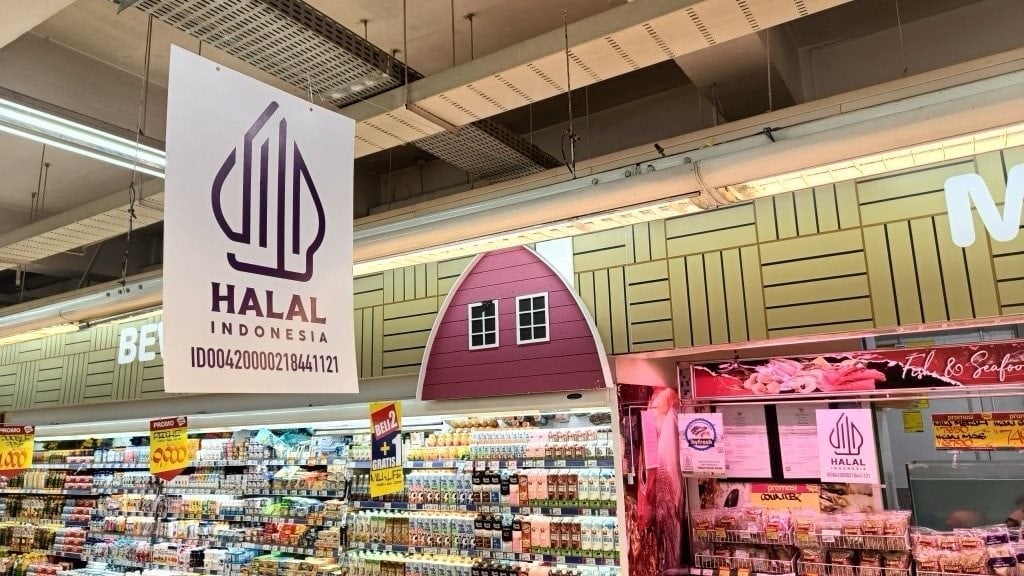
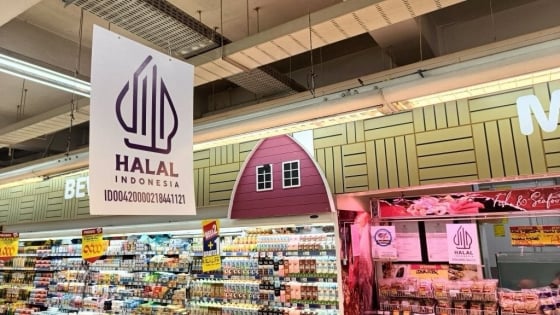
Non-Muslim consumers are also increasingly embracing halal products because of their association with hygiene, transparency and sustainability standards. Photo: V.N/Tuoi Tre.
Echoing the view on the sector’s enormous potential, Indonesian Ambassador to Viet Nam Adam Mula Warman Tugio noted that more than 80% of global halal consumption is concentrated in member states of the Organization of Islamic Cooperation (OIC). Indonesia currently accounts for more than 11% of the global halal market and exported more than $42 billion worth of halal food products in 2023.
However, the ambassador emphasized that a new trend is reshaping the industry: demand is no longer driven solely by Muslim consumers. Increasingly, non-Muslim consumers are choosing halal products because of their perceived alignment with hygiene, transparency and sustainable production standards.
Ambassador Tugio identified five major forces expected to reshape the halal economy over the next decade. The first is demographics, with the global Muslim population projected to reach 2.2 billion by 2030. The second is the rise of ethical consumption and “Green Halal” aligned with ESG standards. The third is technological advancement, particularly blockchain and artificial intelligence applications for traceability. The fourth is the growing number of countries making halal certification mandatory. The fifth is the emergence of non-Muslim-majority countries such as Thailand and Viet Nam as major halal producers.
Overcoming regulatory fragmentation and certification barriers
Despite the sector’s vast potential, Vietnamese businesses continue to face significant challenges in accessing halal markets, particularly due to differing certification standards and business cultures across countries.
In his keynote presentation, Associate Professor Nguyen Xuan Trung, Director of ISAWAAS, described halal as a “multi-layered standard.”
According to Trung, halal certification extends beyond religion and encompasses strict requirements related to food safety, social responsibility and supply chain integrity. Many halal standards overlap with international systems such as ISO 22000 and HACCP, while also including humane treatment of animals and fair labor practices. The evolution from “Halal” to “Halalan Toyyiban” – meaning permissible, wholesome and clean – reflects the transformation of halal into a human-centered economic ecosystem aligned with the United Nations Sustainable Development Goals (SDGs).
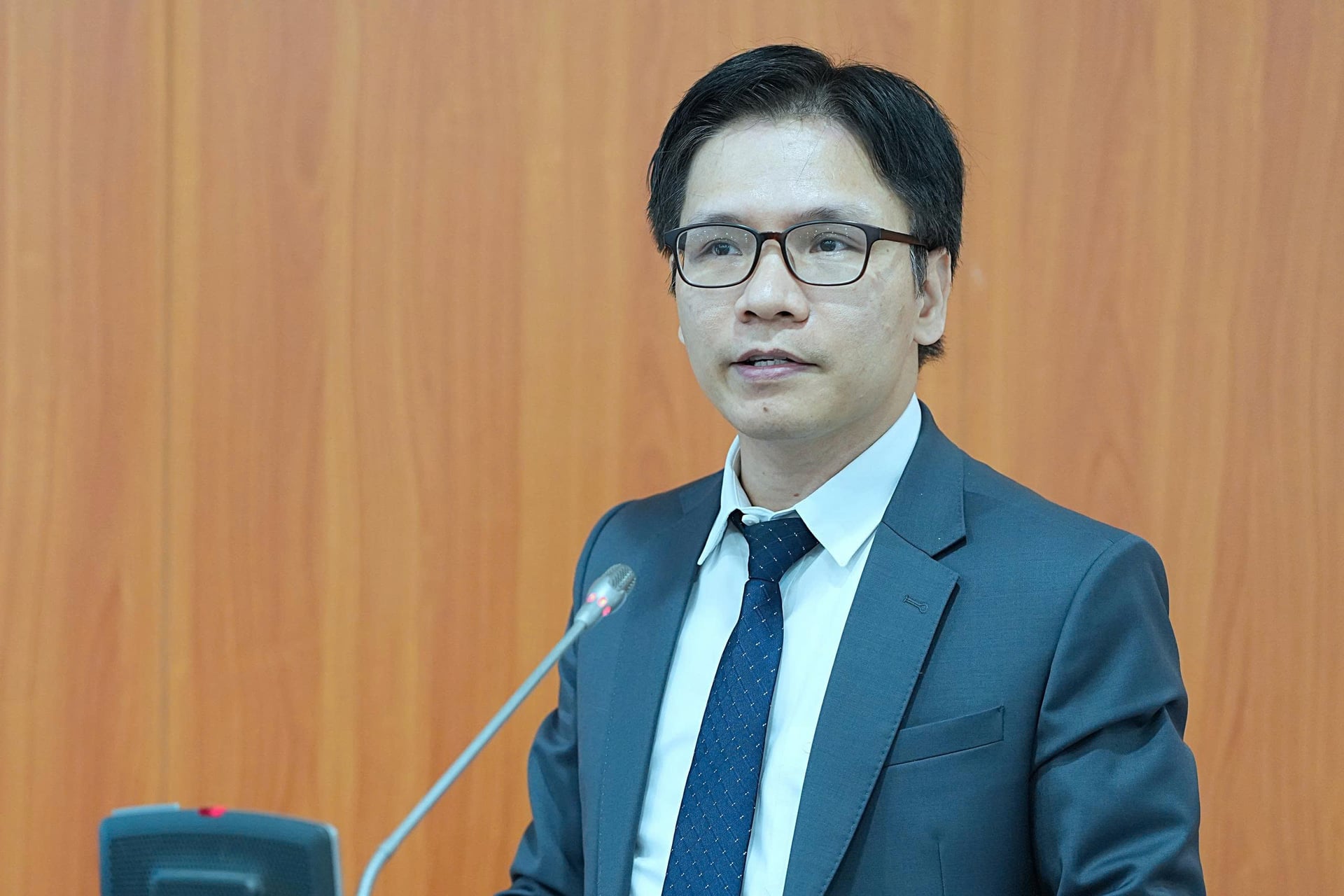
Associate Professor Nguyen Xuan Trung, Director of ISAWAAS. Photo: Bao Thang.
Experts at the conference identified fragmented certification systems as one of the industry’s biggest obstacles. Markets such as Indonesia, Saudi Arabia and Malaysia each maintain distinct certification requirements, complicating export procedures for businesses.
Ambassador Tugio noted that countries such as Thailand have already moved ahead aggressively, with more than 166,000 certified halal products and a stated goal of becoming ASEAN’s halal hub by 2027.
Viet Nam, meanwhile, has made important progress in building its legal and institutional framework. However, experts said the next phase must focus on gaining broader international recognition for Vietnamese halal certification systems.
Viet Nam possesses several competitive advantages, including a strong agricultural sector, an extensive free trade agreement network and relatively low production costs. If the country can successfully integrate its existing ESG-oriented development approach with halal standards, experts said Viet Nam could position itself as a “low-cost but highly trusted halal hub.”
At the same time, building a sustainable halal brand will require close coordination among government agencies, researchers and businesses. Practical experiences shared by representatives from RMIT University Hanoi, Hanoi Xanh Cooperative and Halal Viet Nam (HVN) underscored the importance of investing in transparency and digital technologies to reduce certification costs and improve market access.
Participants said the conference aimed not only to advance academic discussion but also to help lay the foundation for a coordinated halal ecosystem in Viet Nam. Such an ecosystem could enable Viet Nam to move beyond exporting individual products and become more deeply integrated into global halal value chains spanning pharmaceuticals, cosmetics, finance and tourism.
Today, the halal economy is no longer solely about religious faith. It has become a broader story of commercial trust, product quality and global ethical standards – factors that are expected to shape the future of international trade and Viet Nam’s position in the global economy.
Agriculture News | Agri Products Price