

(VAN) Deputy Minister Vo Van Hung stressed the need for a comprehensive overhaul of trade promotion activities to align with deeper international integration and the evolving demands of global markets.
Speaking at a working session with the Agricultural Trade Promotion Center in Hanoi late April, Deputy Minister Vo Van Hung called for sweeping changes in both mindset and implementation in the coming period.
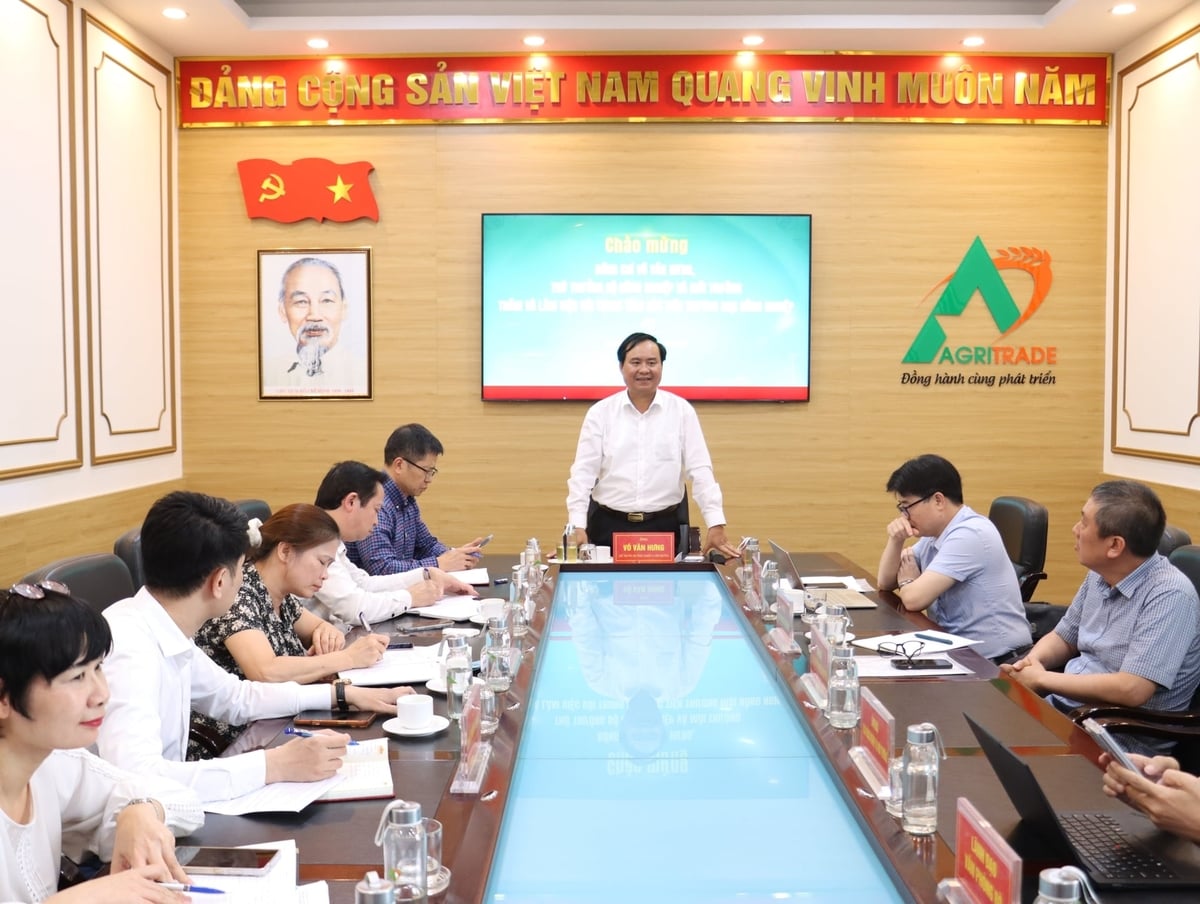
Deputy Minister Vo Van Hung held a working session with the Agricultural Trade Promotion Center. Addressing the meeting, the deputy minister candidly pointed to a troubling reality: trade promotion efforts remain fragmented, poorly connected and insufficient in generating substantive value. Photo: Nguyen Thuy.
Addressing the meeting, the Deputy Minister candidly pointed to a troubling reality: trade promotion efforts remain fragmented, poorly connected and insufficient in generating substantive value.
At the same time, the global marketplace has entered a new phase in which sustainability standards, traceability and technology adoption are no longer optional but mandatory requirements. This shift demands that trade promotion move beyond simple product showcasing toward facilitating tangible transactions closely tied to market demand and enterprises’ capacity to deliver.
“Resources alone are not enough if the approach is ineffective. Conversely, some models require little funding but create enormous value because they are implemented correctly and strategically,” the deputy minister said, warning that without change, the agriculture and environment sector risks losing its competitive edge.
According to Deputy Minister Vo Van Hung, the biggest bottleneck lies not in resources but in the mindset guiding implementation. Trade promotion activities are still largely carried out in isolation, lacking connections to value chains and the practical needs of businesses.
As a result, many fairs and exhibitions remain largely symbolic rather than serving as effective trade bridges. Businesses participate without necessarily securing partners, signing contracts or expanding markets.
“Businesses cannot continue spending money on trade promotion without receiving tangible returns. If trade promotion does not lead to sales, then the approach must be reconsidered,” he stressed.
He also highlighted organizational structure and human resources as decisive factors. Without clear responsibilities, effective personnel arrangements and accountability tied to outcomes, even adequate funding and mechanisms will struggle to deliver breakthroughs.
Deputy Minister Vo Van Hung called on the Agricultural Trade Promotion Center to fundamentally change its approach by shifting from isolated trade promotion activities to value chain-based promotion.
Under this approach, promotion activities must be integrated with production, processing, distribution and markets, while placing business needs at the center. Trade fairs and exhibitions should no longer focus solely on display but instead pursue concrete outcomes: transactions, contracts and market access for products.
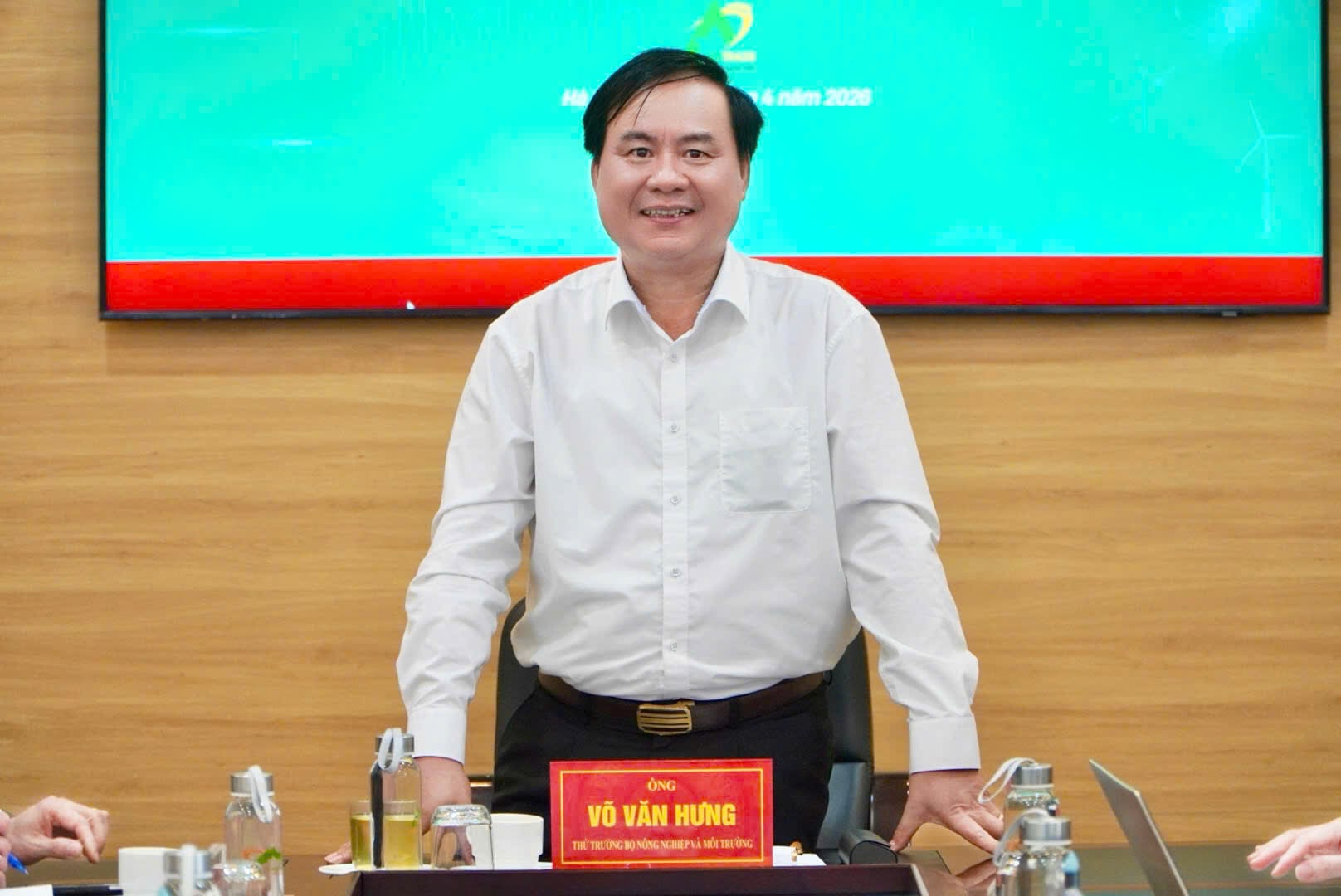
Deputy Minister Vo Van Hung called on the Agricultural Trade Promotion Center to fundamentally shift its mindset, moving from fragmented trade promotion activities to a value chain-based approach. Photo: Nguyen Thuy.
At the same time, he urged greater digital transformation and the development of a modern trade promotion ecosystem that leverages digital platforms to reduce costs while improving market connectivity.
The Deputy Minister also requested a review and restructuring of the organizational apparatus toward a leaner and more professional model, with stronger human resources and clearer accountability linked to measurable results.
Earlier at the meeting, Nguyen Minh Tien, Director of the Agricultural Trade Promotion Center, reported that following organizational restructuring, the center has gradually transformed its operational model from traditional trade promotion to a more integrated, multifunctional approach.
Beyond organizing fairs and exhibitions, the center has expanded into areas including OCOP product development support, brand consulting, market linkages, promotion of the circular economy, rural tourism and technology transfer. Trade promotion activities have also been implemented flexibly both domestically and internationally, contributing to the promotion of Vietnamese agricultural products abroad.
Notably, several promotion programs in major markets such as the Middle East and Japan have delivered positive results, helping businesses expand partner networks and strengthen market access capabilities.
Going forward, the center plans to further modernize trade promotion methods in a more professional, sustainable and technology-driven direction.
Its priorities include developing a digital trade promotion ecosystem encompassing online exhibition platforms, virtual reality applications and agricultural trade databases to support traceability and market analysis.
At the same time, the center will intensify trade promotion programs in key markets, support exports of competitive products and integrate trade promotion with branding, green standards and sustainable development.
Business matching activities and support for enterprises joining global value chains will also be prioritized as part of efforts to achieve agricultural export growth targets in the coming years.
Agriculture News | Agri Products Price