

(VAN) Over 600,000 Vietnamese coffee farming households face major challenges as the EU tightens traceability and anti-deforestation requirements by the end of 2025.
To comply with the European Union Deforestation Regulation (EUDR), which will be enforced from late 2025, Vietnam’s coffee sector must improve the availability of data at the household level. This includes land-use records that are essential for establishing traceability.
Traceability is one of the core components of EUDR. At present, many smallholders lack critical input data needed to meet this requirement. These gaps include missing records on income generated from individual plots and incomplete information on sales activities. Farmers are also expected to present evidence that their cultivation land is legally acquired or used.
Smallholders currently contribute approximately 95 percent of the country’s coffee production.
According to Mr. To Xuan Phuc, a senior expert with Forest Trends, smallholders without access to supportive traceability mechanisms will struggle to meet EUDR requirements. As a result, these farmers may be at risk of losing access to the EU market in the near future. His analysis is based on a survey of 95 coffee-producing households conducted in early 2025.

To Xuan Phuc: ‘Farmers cannot do traceability like businesses’. Photo: Forest Trends.
Traceability remains the weakest link
The survey covered six key coffee-producing provinces and found that close to 60 percent of respondents had never recorded harvest information. More than half also failed to keep track of their sales schedules. These practices fall short of EUDR, which demands plot-level traceability backed by verifiable documentation.
Mr. Phuc noted that when traceability information is missing at the source, companies purchasing from smallholders have no way of validating product origin.
Data from the survey conducted by Forest Trends and TAVINA showed that each household, on average, owned 1.9 hectares of land and often cultivated two to three scattered plots. About 34 percent of households worked on less than one hectare. This pattern of fragmentation complicates recordkeeping and traceability management.
The survey further revealed that 53.8 percent of farmers did not record any data during harvest, while 86 percent of those who did kept combined records across all plots. This approach does not allow identification of the specific origin of the product. Only 10 percent of households maintained separate records by plot. These were primarily households engaged in sustainable coffee programs managed by enterprises that require traceable sourcing.
Given this reality, Mr. Phuc recommended that authorities provide practical and straightforward guidance for farmers to support traceability. This could involve seasonal logbooks, printed templates to document each sale, or mobile applications designed for ease of use. Such tools should be introduced through cooperatives, purchasing companies, or agricultural extension services, and tailored to the actual capacity of the households.
Beyond traceability, confirming land tenure is another essential element for EUDR compliance. The survey showed that around 40 percent of respondents lacked formal land use certificates. This is particularly common among ethnic minority households, where land is often inherited informally without government recognition.
Mr. Phuc explained that while a lack of a certificate does not necessarily indicate illegal land use, it prevents such plots from being documented in compliance files. He called on local authorities to establish procedures that can confirm legal land use for farmers who have consistently cultivated their land, even if they do not possess a land certificate. This step is crucial to prevent supply chain disruptions.
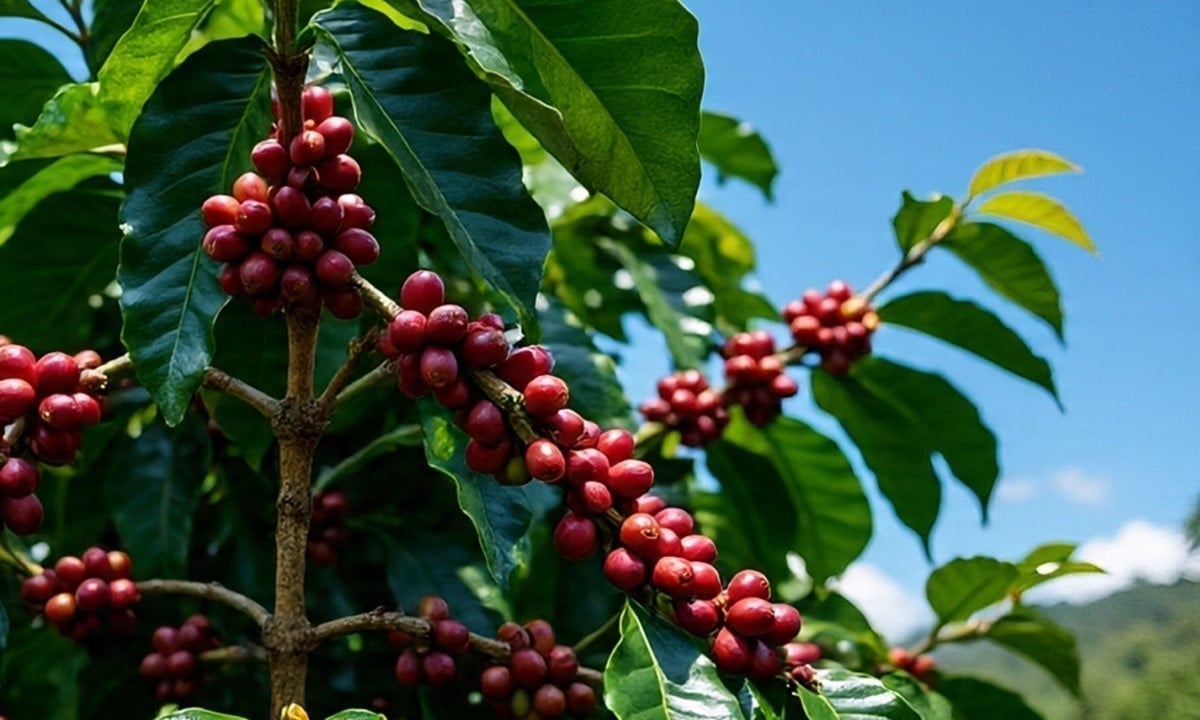
The EU market accounts for about 40% of Vietnam’s coffee exports. Photo: VAN News.
The same survey found considerable differences between Kinh households and ethnic minority households. While 82 percent of Kinh farmers held land certificates, only 55 percent of ethnic minority households had them. These figures reflect customary inheritance practices, particularly among minority groups, where land is commonly passed on to children without formal documentation.
The average distance from cultivation plots to the nearest forest is also shorter among ethnic minority households. On average, this distance is 4.6 kilometers, compared to nearly 10 kilometers among Kinh households. As a result, plots managed by ethnic minority households are considered to pose a higher risk of deforestation under the EUDR framework.
Small plot sizes and geographic fragmentation place additional burdens on traceability. In Son La province, surveyed households reported cultivating an average of more than four individual plots, yet almost none recorded revenue separately for each one.
Mr. Phuc emphasized that policy support should be tailored to specific household groups based on their land-use characteristics. A one-size-fits-all model would be ineffective. Ethnic minority households should receive priority support in legalizing their production land and in recording geographic coordinates for traceability purposes.
Enterprises play a pivotal role
The survey also indicated that only 38 percent of households were engaged in some form of cooperation with purchasing companies. These households are generally better prepared to meet EUDR standards because they often receive training on data collection, documentation, and traceability systems.
Scaling up value chain models that integrate input provision and output traceability is an important direction for the industry. Nevertheless, nearly 60 percent of households remain outside these linked networks, which poses serious obstacles to EUDR compliance.
Among the 95 households surveyed, 56 percent said they had heard of the EUDR. However, nearly 80 percent admitted they did not understand its specific requirements. Most of the information they had received came from television or purchasing agents. These channels are critical in helping farmers stay informed about emerging policies and regulatory changes.
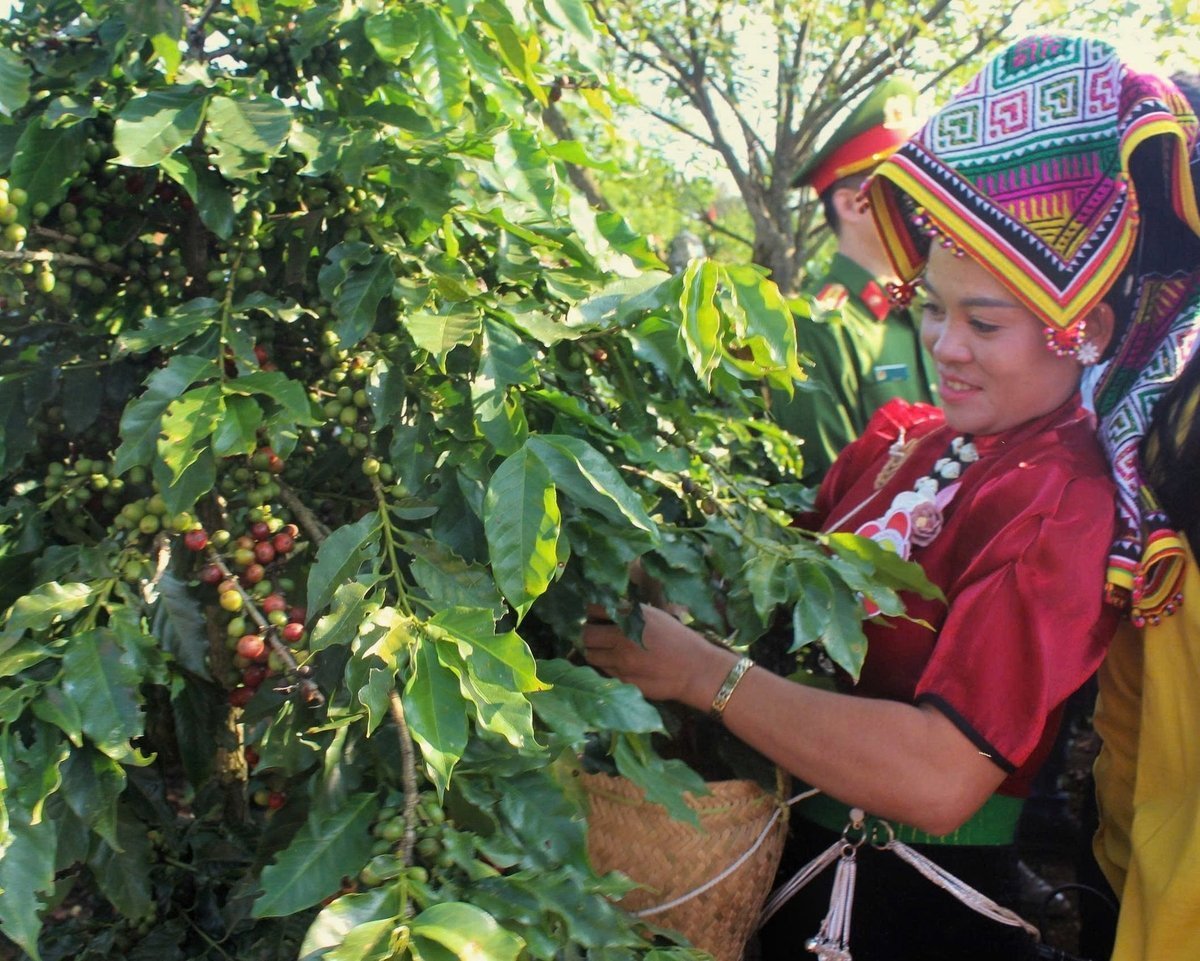
Smallholder farmers need specific guidance to adapt to the EUDR. Photo: Nguyen Nga.
A number of initiatives are currently being tested to support traceability within the sector. One notable pilot program comes from IDH, the Sustainable Trade Initiative. This project is developing a model that allows for traceability from agents down to the household level. Results from the pilot are expected to be implemented on a broader scale starting in October 2025.
Mr. Phuc stressed that smallholder farmers are not in a position to comply with EUDR requirements alone. Comprehensive support from both the government and participating enterprises is necessary to ensure success across the supply chain.
With the end-of-year deadline approaching, stakeholders must move quickly to build capacity among smallholders. Key priorities include legal verification of farmland, collection of geographic data for each production plot, and developing a baseline forest map for 2020. These efforts are crucial to help farmers meet EUDR requirements and preserve Vietnam’s long-term access to the European coffee market.
Agriculture News | Agri Products Price