

(VAN) Following the Protocol, Dong Nai pomelo is facing a major export opportunity. However, to achieve sustainable exports, the province needs to strengthen value chain linkages and standardize growing areas.
When the links work together
After the milestone Protocol on phytosanitary requirements for pomelo and lemon exports from Viet Nam to China, along with the country’s first shipment of fresh pomelo officially entering the Australian market on April 22, 2026, Vietnamese pomelo is facing a new opportunity as doors to demanding markets continue to open. However, to turn these opportunities into sustainable orders, the challenges include not only output but also a mindset of linkage and the standardization of growing areas.
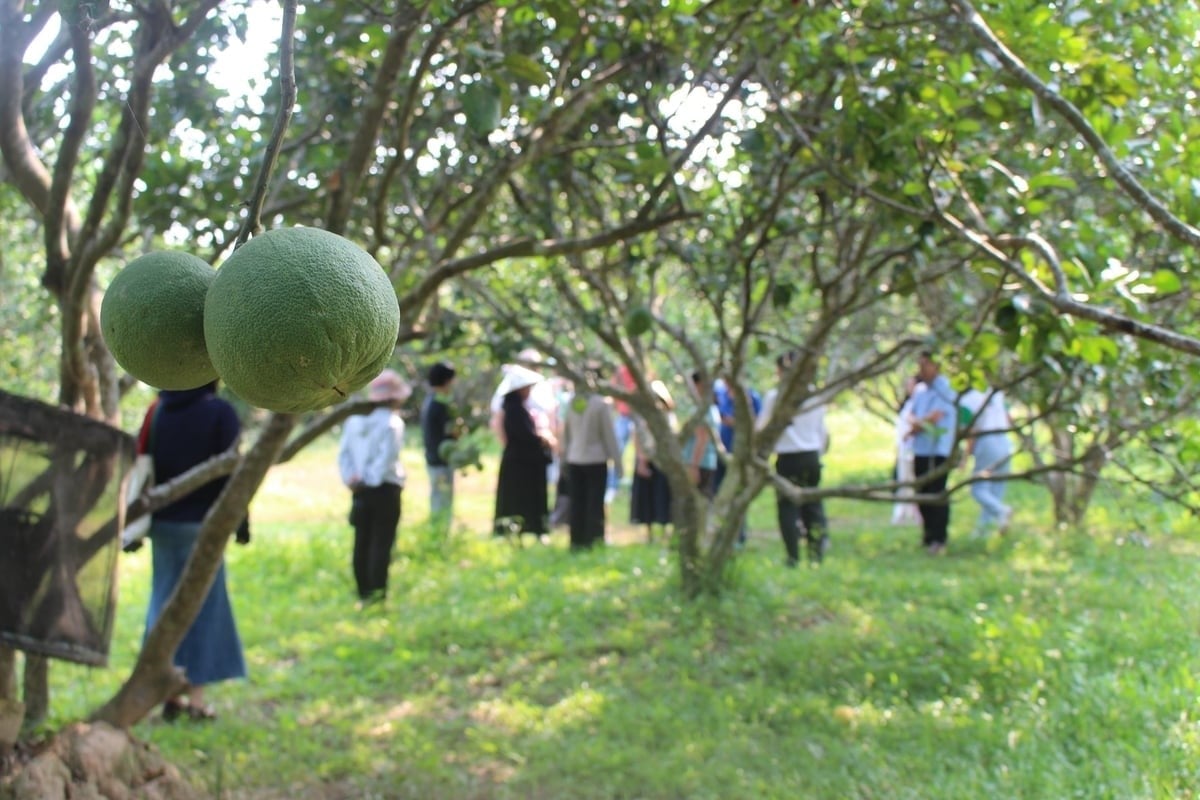
Vietnamese pomelo is facing a new opportunity as doors to demanding markets continue to open. Photo: Tran Trung.
The Viet Nam Agribusiness Club, in coordination with the Dong Nai Department of Agriculture and Environment, recently conducted a field survey in Tri An commune. The visit brought together all links in the value chain, from leaders of the Ministry of Agriculture and Environment and experts at research institutes to major retailers such as Saigon Co.op, Central Retail, and Vina T&T, along with representatives of wholesale markets. This is considered an important preparatory step for the pomelo export promotion conference projected to take place in May 2026.
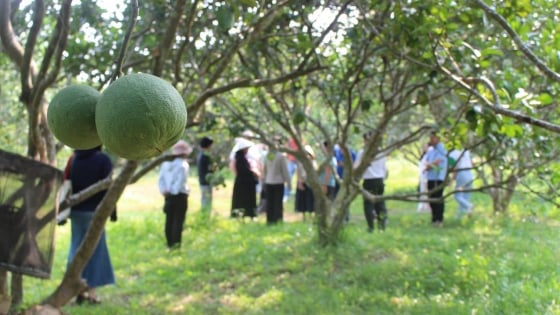
The survey was held at the Hai Thanh ecological pomelo orchard owned by Mr. Nguyen Van Thanh in hamlet 4, Tri An commune. According to Mr. Thanh, his family’s entire 3.5-ha orchard is cultivated in accordance with VietGAP standards, alongside the application of IMO biological preparations to improve soil quality and reduce the use of chemical fertilizers and pesticides. As a result, input costs have been reduced, and material supplies are increasingly self-reliant, while yields remain stable and fruit quality improves, better meeting food safety requirements.
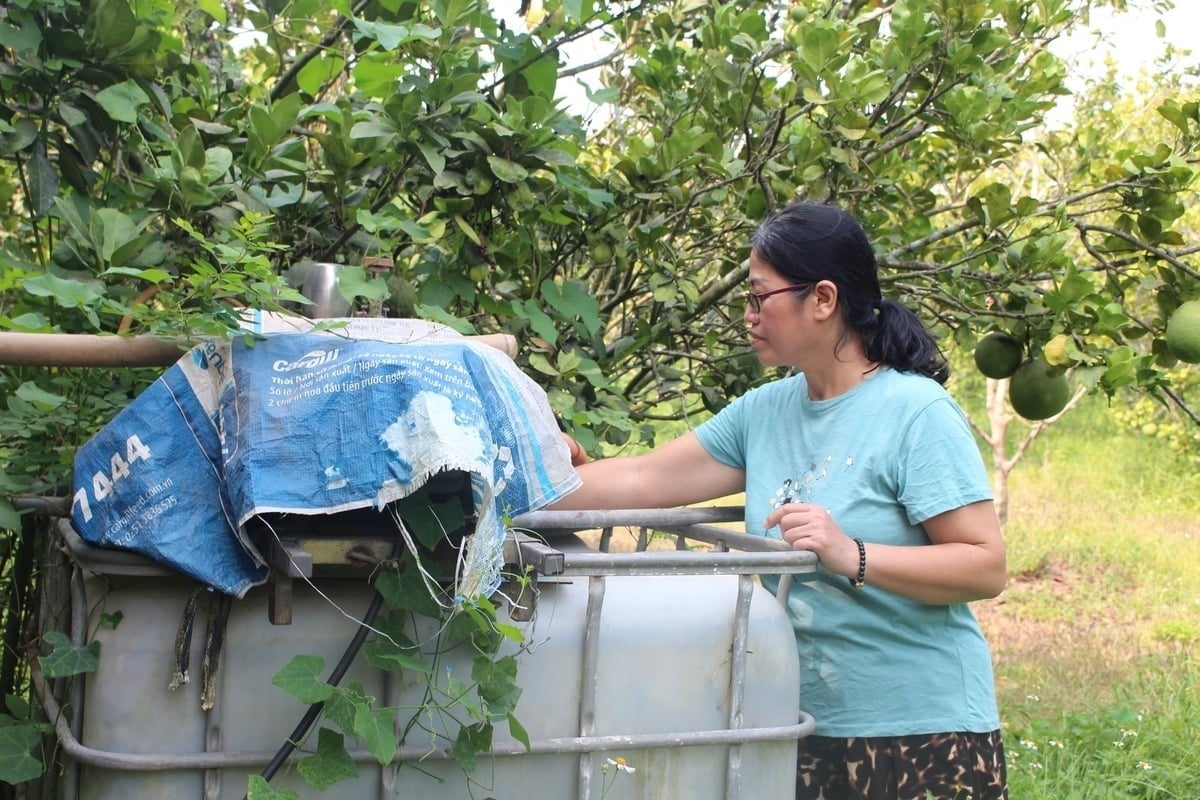
Farmers proactively follow VietGAP production processes while maintaining the application of IMO biological preparations. Photo: Tran Trung.
However, despite high-quality products, output remains largely dependent on retail channels and traders. While these channels deliver quick consumption, they also pose many risks, with prices heavily influenced by market fluctuations.
“In the past, enterprises mainly purchased products without providing specific guidance on export-standard production processes. We hope for long-term contracts with companies. If enterprises effectively fulfill their role in linking the value chain, farmers will certainly benefit,” Mr. Thanh said.
From realities at the orchard, the gap between “doing well” and “meeting standards” has become increasingly evident, highlighting the urgent need for linkages. Farmers are not short of experience but lack a “mover” to organize production in line with export standards.
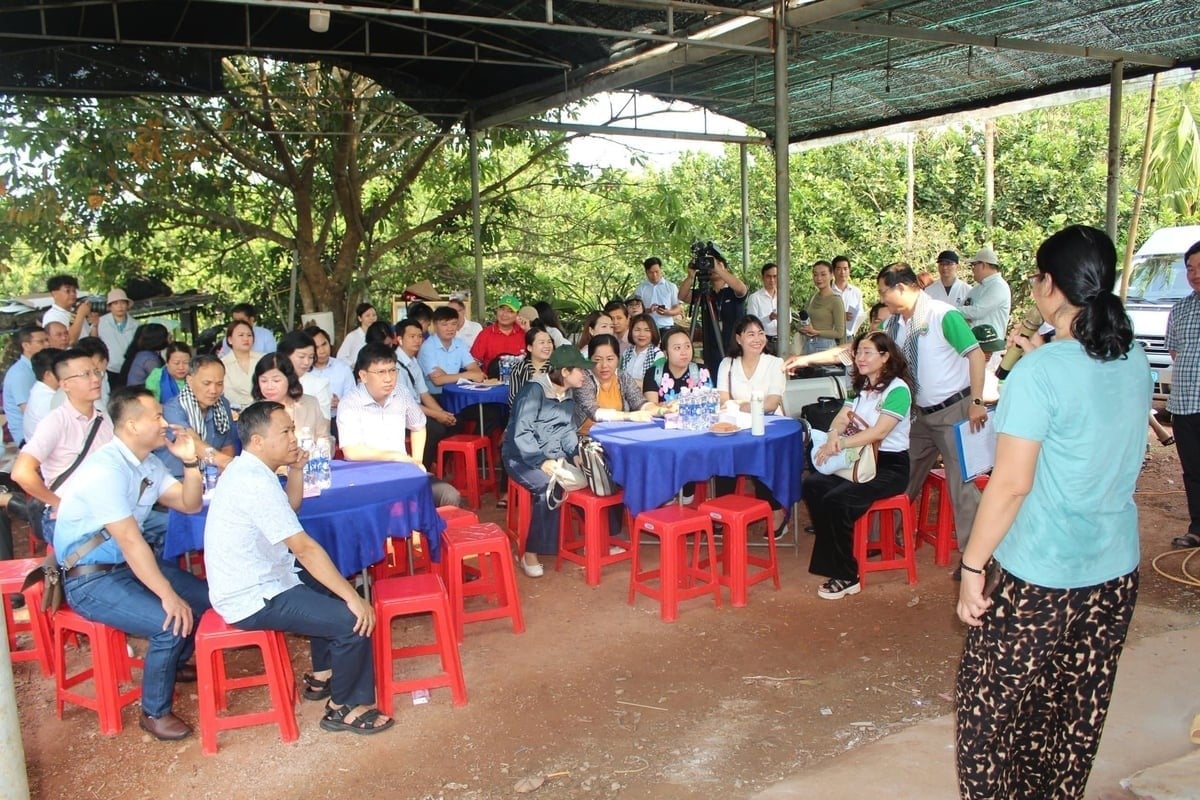
Farmers, state management agencies, experts, and major retailers such as Saigon Co.op, Central Retail, and Vina T&T discuss solutions to address bottlenecks for pomelos. Photo: Tran Trung.
At Hai Thanh ecological pomelo orchard, the linkage between farmers, enterprises, and specialized units has taken shape in a substantive way. Stakeholders have directly exchanged on technical processes, product classification, and the development of closed linkage chains. This is considered a key direction to enhance the value of pomelo, gradually meeting requirements of export markets.
Strengthening chain linkages to expand export markets
According to Ms. Le Thi Anh Tuyet, Deputy Director of the Dong Nai Department of Agriculture and Environment, the province has more than 20,000 ha of pomelo, with various concentrated growing areas, notably Tan Trieu. In recent years, the locality has implemented many policies to support production–consumption linkages, certification, and enterprise connection.
However, requirements of export markets are placing increasing pressure for stronger transformations. “Following the Protocol, the province will review production processes, improve quality, and expand specialized, large-scale growing areas to ensure uniform output,” Ms. Tuyet emphasized.
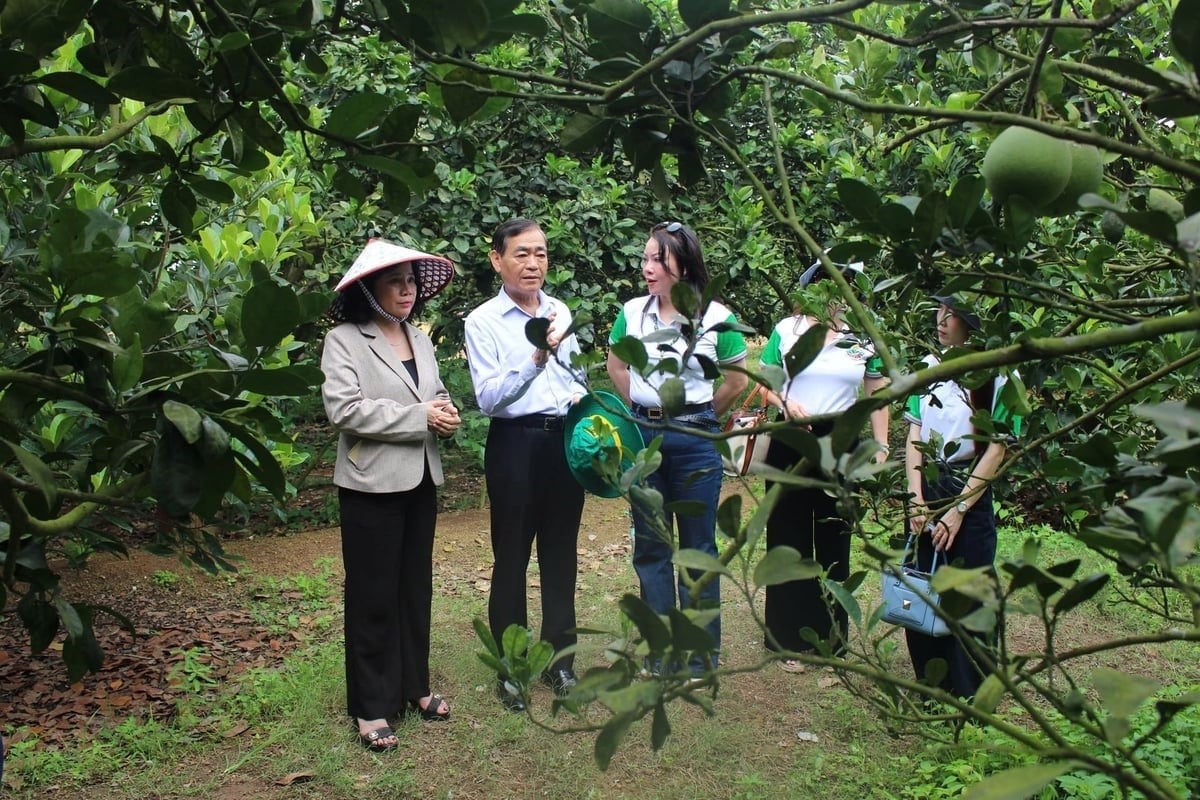
Ms. Le Thi Anh Tuyet, Deputy Director of the Dong Nai Department of Agriculture and Environment (left), along with experts and businesses, surveys the Hai Thanh pomelo orchard. Photo: Tran Trung.
At the same time, Dong Nai is orienting its agricultural development toward high-tech and organic farming, ensuring traceability and food safety, which are prerequisites for accessing demanding markets.
Ms. Tran Thi Minh Ha, Chairwoman of the Viet Nam Agribusiness Club, said that direct engagement among stakeholders remains the most effective solution. “When farmers and distribution channels openly discuss output, quality, standards, and prices, trading transactions become more transparent and sustainable,” she said.
According to Ms. Ha, the club plays a role in connecting reputable distribution partners, enabling farmers to access markets directly and reduce intermediaries. However, current bottlenecks lie in quality and consistency. “Only about 20–25% of pomelo meets export standards. To go further, standardization must be implemented from growing areas to production processes,” she emphasized.
The club is coordinating with scientists and experts to conduct training and technology transfer, focusing on residue control and improving product quality in line with importing market standards. At the same time, the unit is strengthening connections with enterprises, investment funds, and international partners to accompany farmers from the production stage. The goal is to raise the proportion of export-standard pomelo to 50–70%.
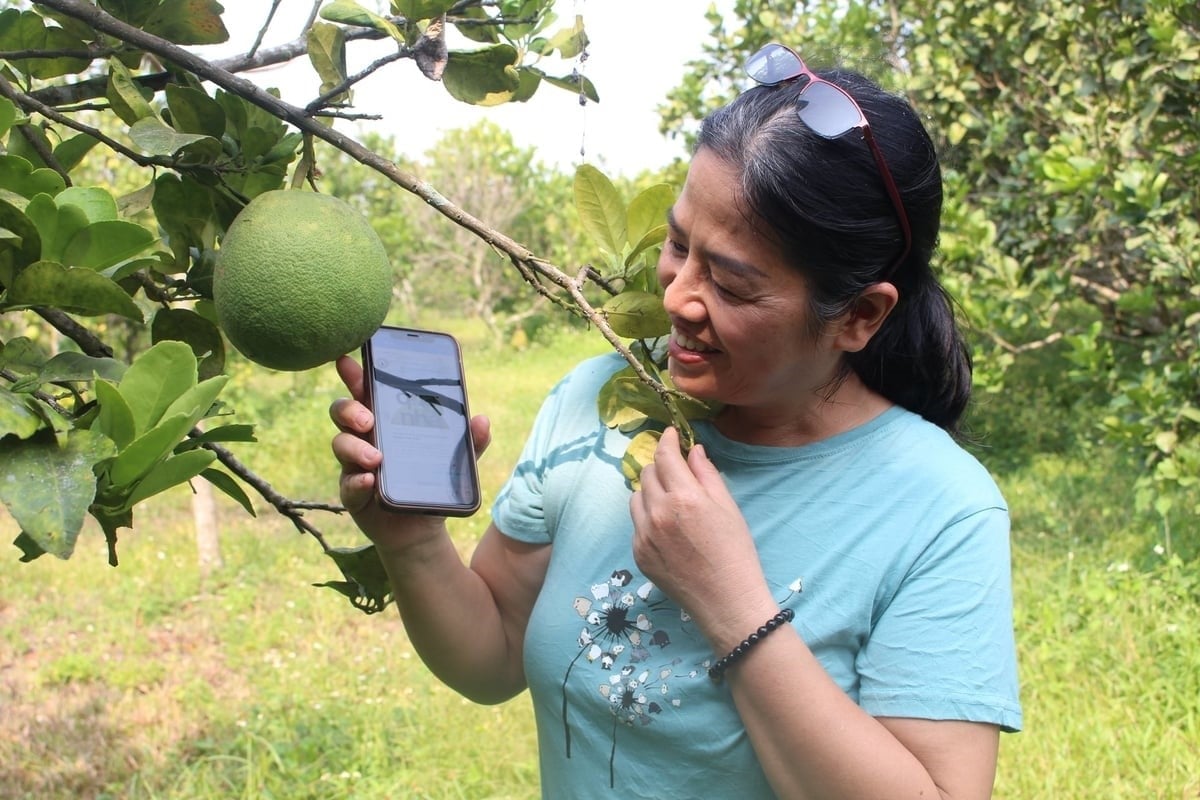
If enterprises effectively fulfill their role in linking the value chain, farmers will certainly benefit, and Dong Nai pomelo in particular, as well as Vietnamese pomelo in general, will go further. Photo: Tran Trung.
The story of Dong Nai pomelos clearly reflects the transformation of agriculture, from fragmented production to value chain linkages, from output-driven practices to standards-based approaches, and from reliance on traders to proactive market engagement. Farmers have begun to change. Authorities get involved. Enterprises and organizations gradually connect. The remainder is synchronization and persistence.
Sustainable exports require a new foundation, where all links in the value chain operate consistently. Only then can the long-standing problem of “good harvest, bad prices” be gradually resolved, paving the way for a modern agriculture built on quality and linkages.
Agriculture News | Agri Products Price