

(VAN) Having the largest fruit-growing area in the Mekong Delta, Dong Thap aims to standardize production zones and develop sustainable fruit value chains.
Advantages of the largest fruit-growing region in the Mekong Delta
By the end of June 2026, Dong Thap’s fruit-growing area is estimated at 135,331 hectares, the largest in the Mekong Delta. Durian accounts for around 33,600 hectares, jackfruit 26,265 hectares, coconut 24,912 hectares, mango 16,845 hectares, pineapple 14,781 hectares, citrus fruits 14,180 hectares, dragon fruit 8,500 hectares, and longan 5,640 hectares.
Total fruit production during the first five months of 2026 is estimated at more than 1.313 million tons. Durian stands out, with output exceeding 268,000 tons, and continues to play a leading role in the province’s export development strategy. Other major fruit sectors, including mango, jackfruit, dragon fruit, pineapple, and citrus fruits, are also leveraging their strengths to serve domestic markets, processing industries, and exports.
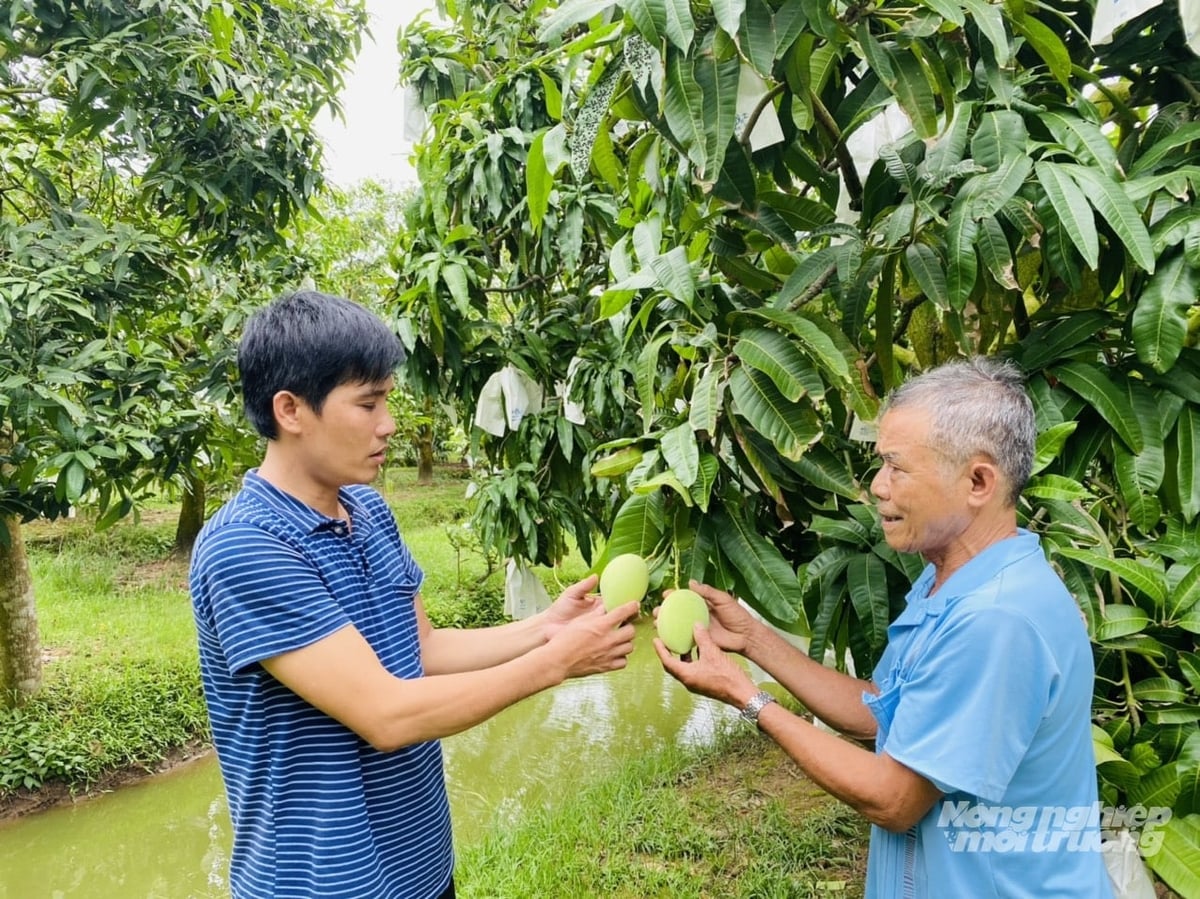
Dong Thap farmers inspect mango quality in orchards before entering linked supply chains, aiming to meet export market standards. Photo: Le Hoang Vu.
Vo Phuong Thuy, Director of the Dong Thap Department of Industry and Trade, said that with its large production scale and diverse, competitive fruit products, the province is focusing on building modern value chains to meet the increasingly demanding requirements of domestic and international markets. Priority is being given to improving raw material quality, strengthening production linkages, and developing stable distribution channels for farmers.
According to Phan Minh Thong of the Sub-National Institute of Agricultural Planning and Projection (Ministry of Agriculture and Environment), after the administrative merger, Dong Thap holds favorable conditions to become a major center for fruit production, procurement, processing, and export in the Mekong Delta.
However, the province needs to reorganize production according to ecological subregions, capitalize on the strengths of each area, and establish large-scale specialized growing zones linked with processing industries and consumer markets.
“Production zones should not stop at supplying raw agricultural products but instead evolve into modern agricultural economic ecosystems that integrate seed production, cultivation, deep processing, cold-chain logistics, and official export channels. This is essential for increasing added value and strengthening the competitiveness of the fruit sector in an increasingly integrated global market,” Thong said.
Standardizing growing areas to enhance export competitiveness
Despite its significant potential, Dong Thap’s fruit industry still faces numerous challenges. Cooperatives, exporters, processing companies, and logistics providers have pointed to difficulties in maintaining planting area codes, controlling product quality, complying with food safety standards, and ensuring traceability. Rising logistics costs also continue to affect export efficiency.
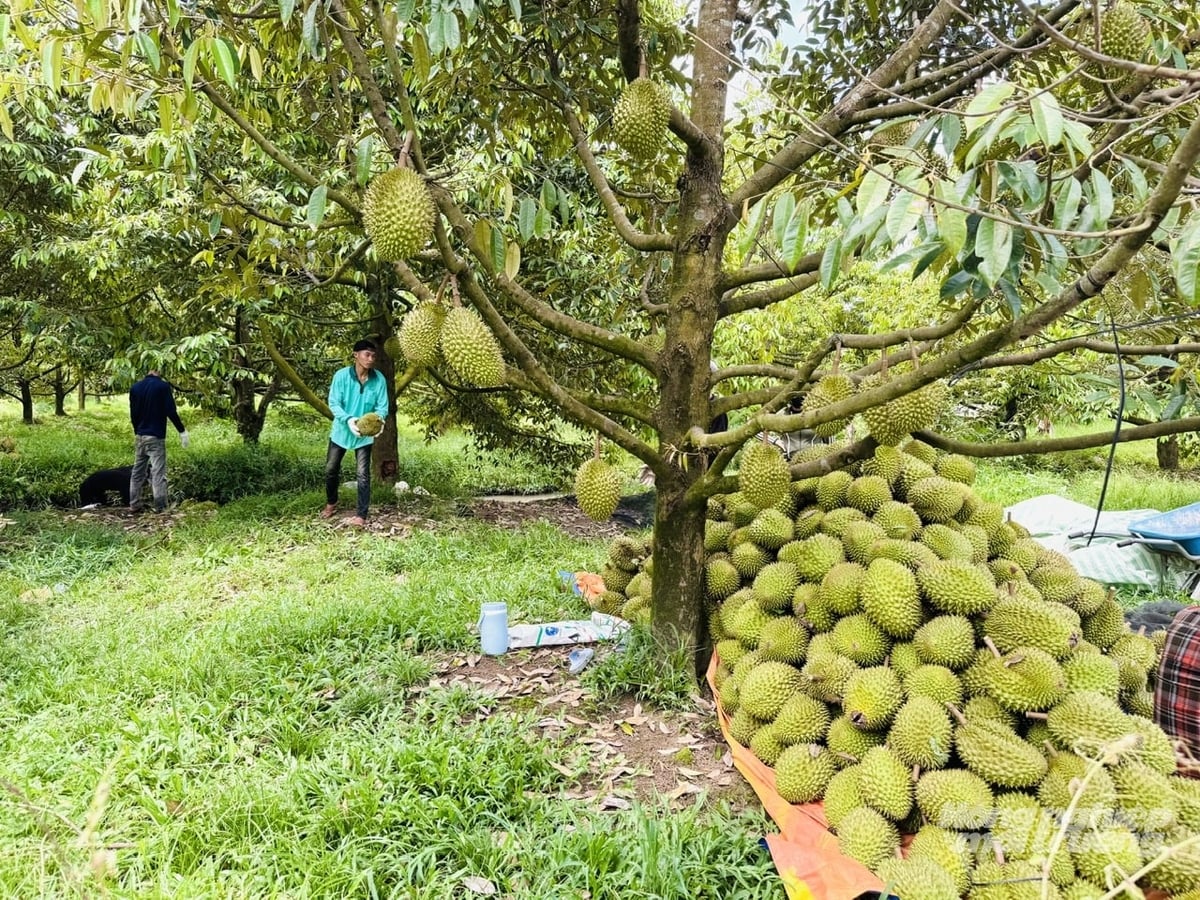
Harvesting durian in a specialized production area of Dong Thap. Durian is currently the province’s leading fruit commodity, making a significant contribution to production value and exports. Photo: Le Hoang Vu.
Vo Viet Hung, Director of the My Xuong Mango Cooperative in Dong Thap, said that maintaining export markets requires farmers to move beyond traditional production practices and strictly comply with safe cultivation standards.
“The cooperative is working with businesses and technical agencies to guide members in keeping production logs, monitoring the use of crop protection products, and implementing traceability systems. Nevertheless, maintaining export standards requires high costs and long-term support from both businesses and regulatory agencies,” he said.
From a scientific perspective, Dr. Nguyen Thanh Hieu, Deputy Director of the Southern Horticultural Research Institute, said Dong Thap should focus on selecting, preserving, and developing elite mother trees and orchards to support the production of high-quality planting materials. Local specialty fruit varieties should be restored and improved to increase their value and create market differentiation.
Businesses and farmers need to shift their mindset from chasing quantity to improving product quality. The application of science and technology, technical transfer programs, digitalized production management, and traceability systems will help strengthen the competitiveness of the province’s fruit industry.
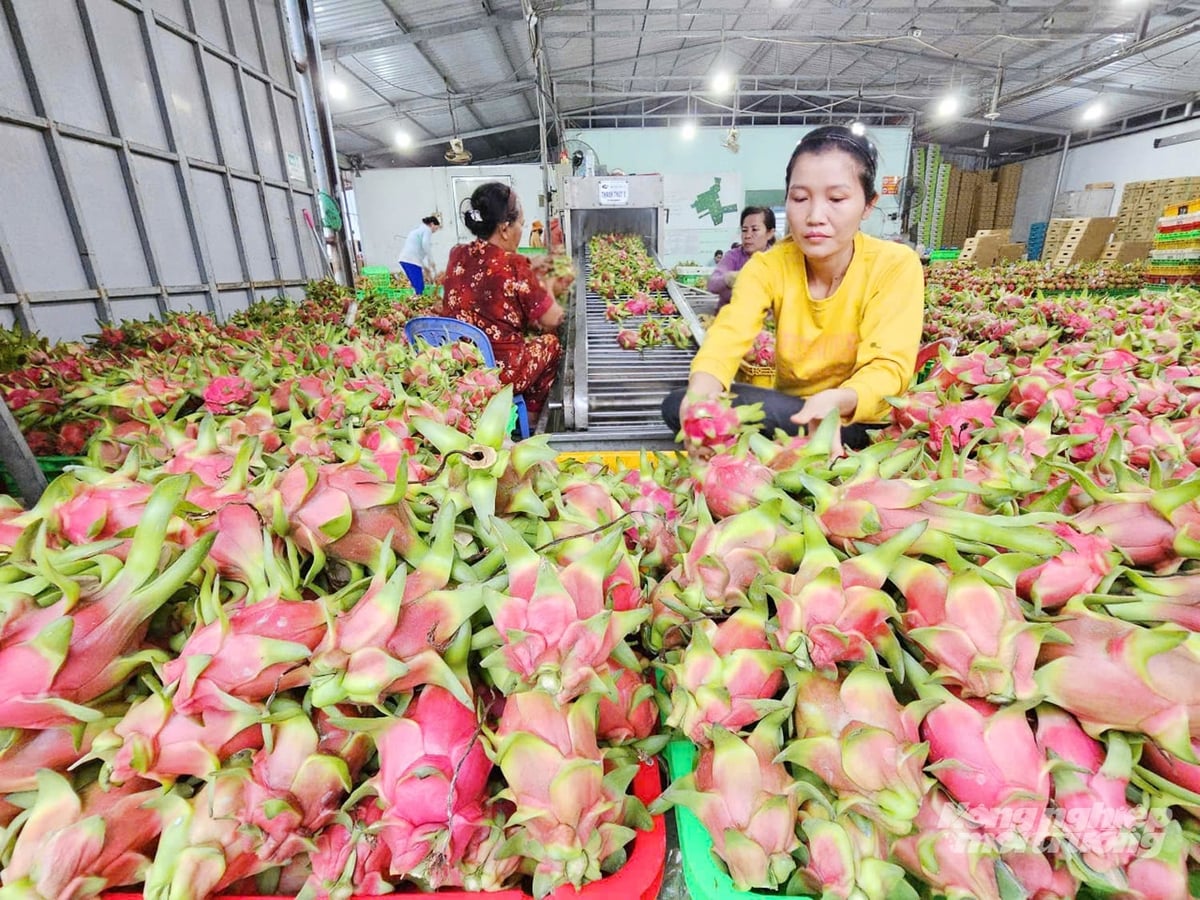
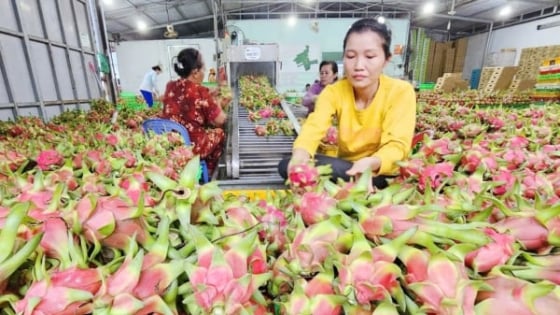
Workers sort and prepare dragon fruit at a collection and packing facility for domestic distribution and export, contributing to higher value creation in Dong Thap’s fruit sector. Photo: Le Hoang Vu.
“The province is accelerating digital transformation in agriculture and applying technology to strengthen linkages between businesses and farmers. Plans are under implementation to effectively issue and manage planting area codes for key fruit crops. The province is also prioritizing the development of standardized production zones that meet the demand of export markets,” said Nguyen Phuoc Thien, Vice Chairman of the Dong Thap Provincial People’s Committee.
According to Vice Chairman Thien, planting area code management will become more transparent and effective through digital technologies, helping reduce violations and improve product credibility. At the same time, the province is addressing matters concerning quality control, food safety, traceability, and technical requirements from importing markets, including measures to control the risk of cadmium contamination in durian.
Agriculture News | Agri Products Price