

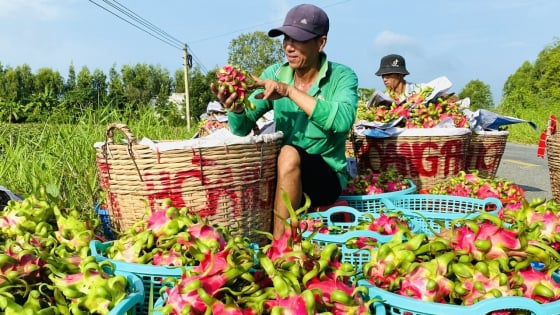
(VAN) Dong Thap is accelerating the implementation of agricultural traceability, prioritizing durian and export products, aiming for supply chain transparency and enhanced product value.
The Dong Thap Provincial People’s Committee has issued Plan No. 594/KH-UBND on implementing a traceability system for agricultural, forestry, and fishery products for the 2026-2030 period, with a vision toward 2035. This is an important step toward strengthening agricultural product quality management and meeting increasingly stringent import market requirements for traceability and food safety.
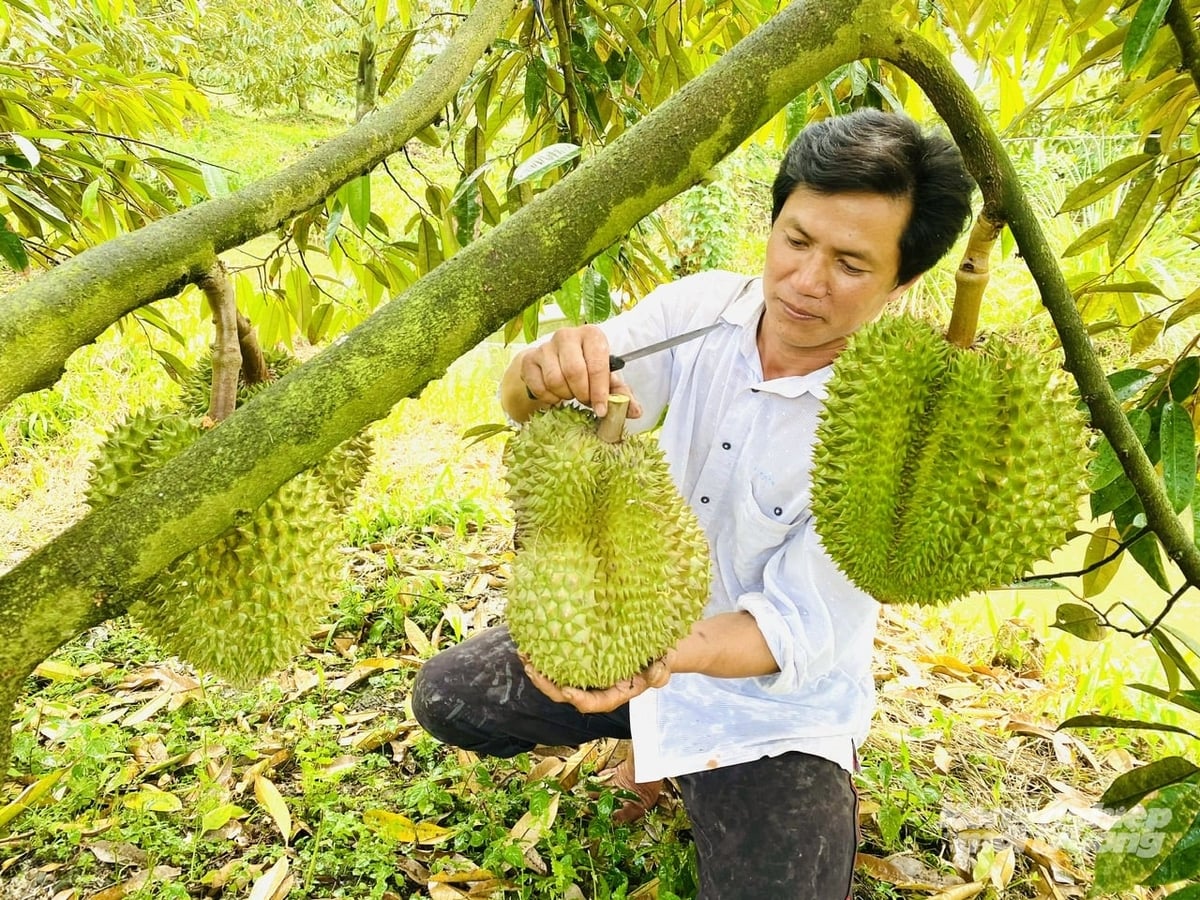
The Dong Thap Provincial People’s Committee has issued a plan to implement a traceability system for agricultural, forestry, and fishery products for the 2026-2030 period, with a vision toward 2035. Photo: Le Hoang Vu.
Under the plan, the traceability system will be implemented throughout the entire supply chain, from production, harvesting, preliminary processing, processing, preservation, and transportation to product distribution and consumption. Priority will be given to export-oriented products and key local commodities.
Notably, in the durian sector, the use of planting area codes, packing facility codes, and traceability data is becoming almost mandatory to maintain stable export markets.
In 2026, Dong Thap will pilot the traceability system at at least one durian preliminary processing and packing facility in order to evaluate its effectiveness before wider expansion.
The province has also set a target that by 2030, 100% of planting area codes and packing facilities approved by importing countries, with products directly exported or participating in export cooperation or authorization, will apply agricultural product traceability systems. In addition, 50% of OCOP products in the agricultural sector are expected to adopt agricultural traceability systems, excluding community tourism services, ecotourism products, and tourism destinations.
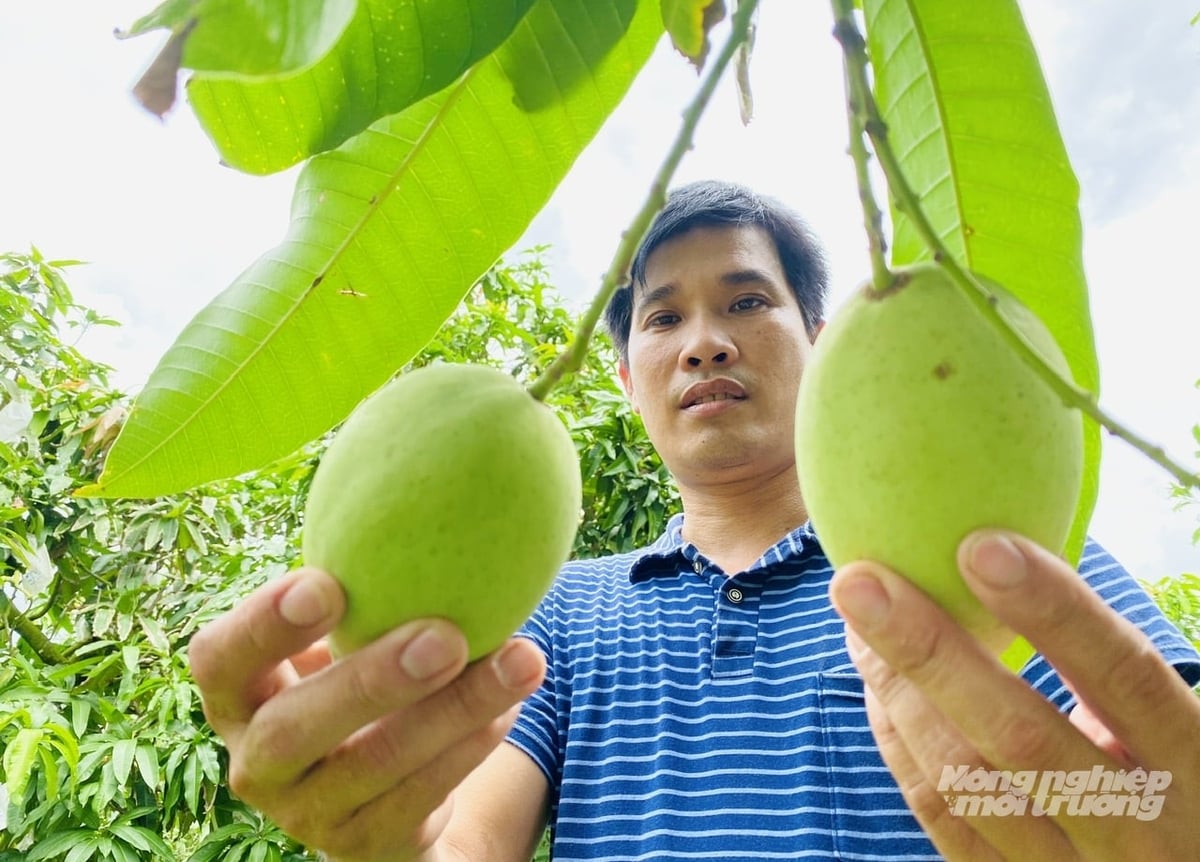
Dong Thap currently has 3,244 registered planting area codes for export-oriented products such as mango, durian, longan, jackfruit, and citrus fruits. Photo: Le Hoang Vu.
To meet the targets in the plan, the provincial People’s Committee assigned the Department of Agriculture and Environment to lead, in coordination with the Department of Science and Technology, the organization of training, communication, and dissemination activities related to the agricultural product traceability system. The department will also work with the Department of Industry and Trade, the Department of Health, and relevant agencies to review and propose a list of key agricultural products and OCOP products in the agricultural sector that will be subject to the traceability system.
At the same time, the province will select and introduce qualified organizations, individuals, and enterprises to participate in implementing, applying, and operating the traceability system.
In the coming period, Dong Thap will review its information technology infrastructure, organize training programs, and complete a synchronized, secure, and efficient traceability database system. The province will also strengthen linkages among exporters, cooperatives, and farmers to standardize production processes in line with VietGAP, GlobalGAP, and international market requirements.
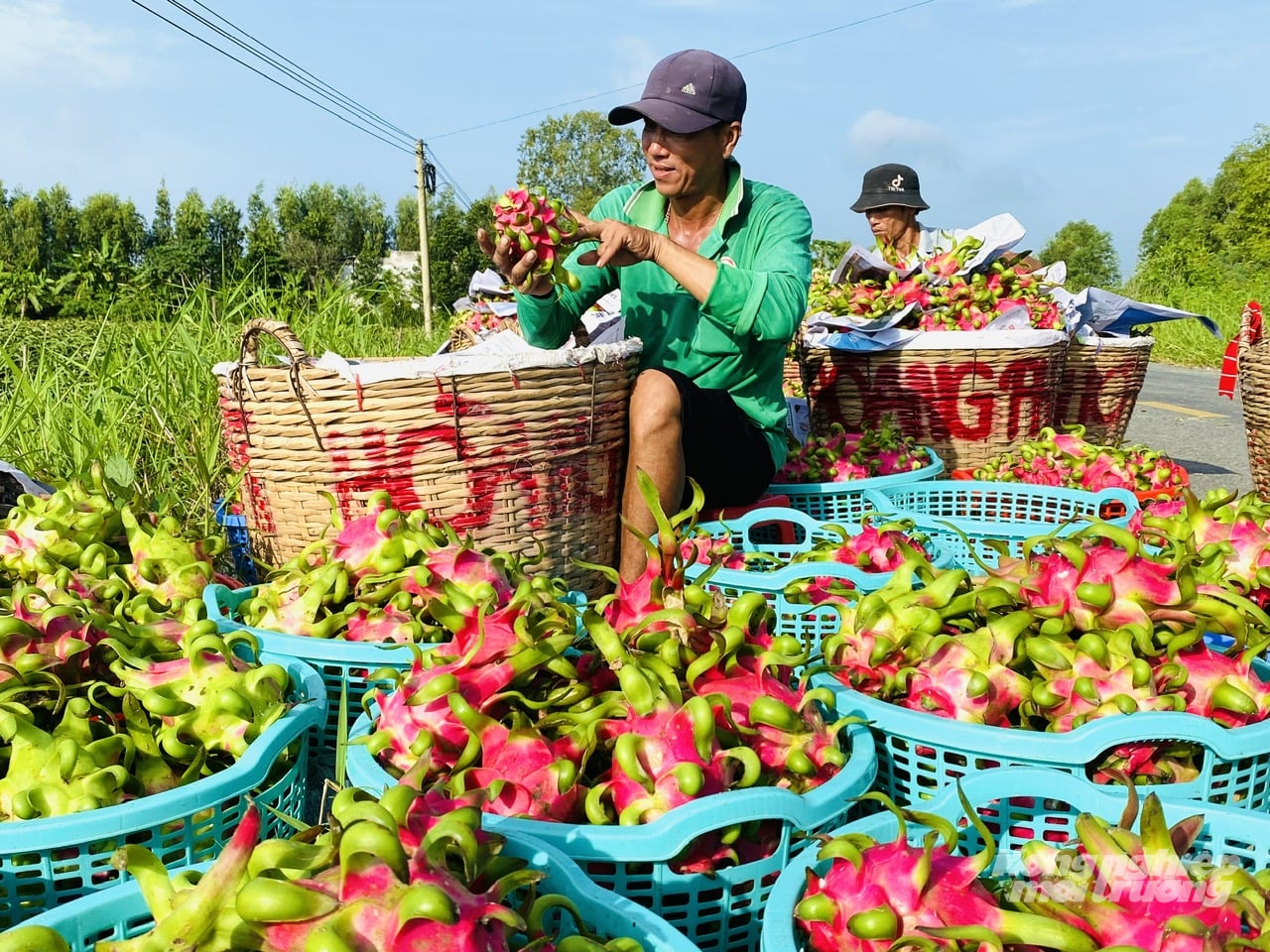
Dong Thap believes that traceability serves not only state management purposes, but also acts as an important tool for improving the transparency and quality of local agricultural products. Photo: Le Hoang Vu.
Mr. Tran Thanh Tam, Director of the Dong Thap Sub-Department of Plant Production and Protection, stated that traceability is not only a tool for state management, but also an essential mechanism for enhancing the transparency and quality of local agricultural products.
Sharing the same view, Mr. Le Chi Thien, Deputy Director of the Dong Thap Department of Agriculture and Environment, said that implementing traceability systems is an inevitable requirement in the context of international integration, helping to increase the value of agricultural products and strengthen their competitiveness in global markets. The system will also integrate QR codes, blockchain technology, and artificial intelligence to enhance data authentication and product traceability as needed.
Mr. Thien expects that implementing traceability systems will be a breakthrough in restructuring the agricultural sector toward modernization and sustainability. Once the system operates synchronously, local agricultural products will not only gain greater value but also improve their competitiveness in international markets.
As a farmer directly participating in a 1.5-hectare longan cultivation model in Chau Thanh Commune, Dong Thap Province, Mr. Le Van Mai affirmed that registering planting area codes makes products easier to trace, facilitates consumption, and expands export opportunities. Farmers also hope that the traceability system will help stabilize market outlets, reduce market risks, and improve sustainable incomes in the long term.
To date, Viet Nam has issued 9,207 export planting area codes for 15 types of fresh fruits and vegetable products, including: dragon fruit, longan, lychee, mango, rambutan, star apple, lemon, pomelo, mangosteen, watermelon, jackfruit, banana, mesona chinensis, sweet potato, garland chrysanthemum, basil mint, sweet basil, and others, for export to 11 markets, including China, the United States, Australia, New Zealand, South Korea, Japan, the EU, Thailand, and Malaysia. These planting area codes are distributed across 54 of the country’s 63 provinces and cities.
Dong Thap currently leads the country with 3,244 registered planting area codes for export products such as mango, durian, longan, jackfruit, and citrus fruits.
Agriculture News | Agri Products Price