


(VAN) The seafood industry continues to affirm its role as a key pillar of the marine economy, demonstrating flexible adaptation to global fluctuations while moving toward sustainable development in line with Resolution 36-NQ/TW.
At the forefront of sustainable marine development
The Viet Nam Association of Seafood Exporters and Producers (VASEP) has recently issued Official Dispatch No. 39, outlining progress in implementing Resolution 36-NQ/TW on Viet Nam’s sustainable marine economic development strategy to 2030, with a vision to 2045.
According to VASEP, the seafood industry is recognized as one of the key pillars of Viet Nam’s marine economy, supported by a relatively complete value chain spanning marine capture, aquaculture, processing, logistics, fisheries support services, and exports. Beyond its significant contribution to national economic growth, the sector also supports millions of livelihoods in coastal and rural areas.
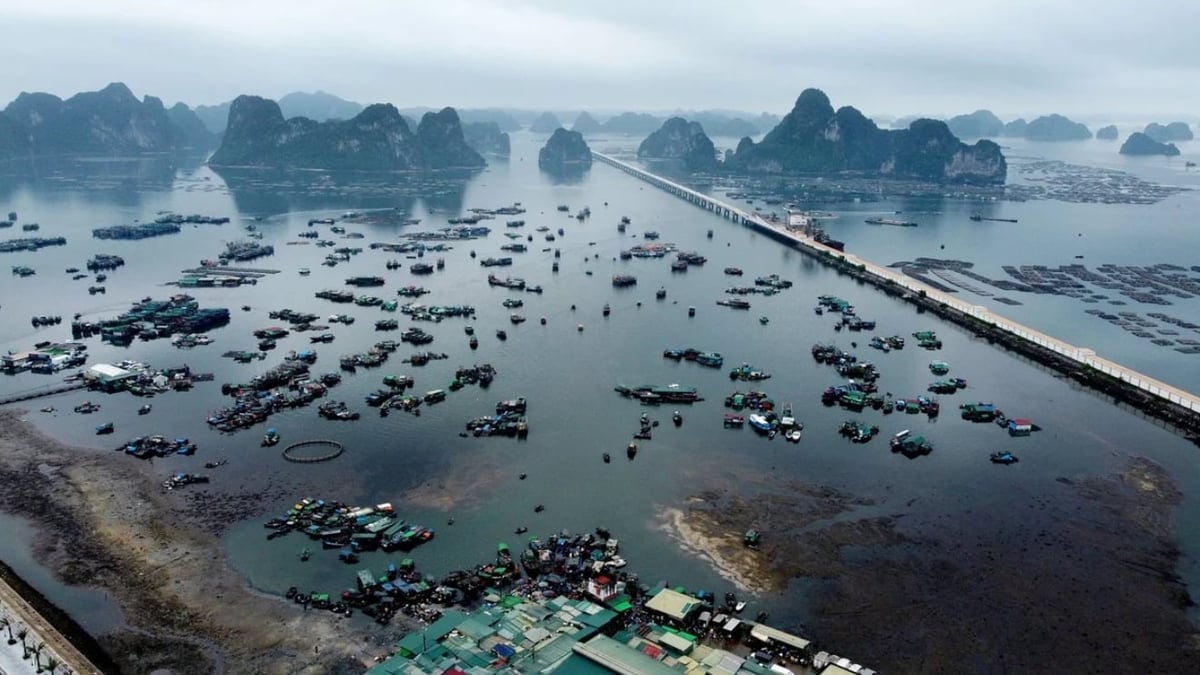
The seafood sector is a key pillar of Viet Nam’s marine economy. Photo: Hong Tham.
Since 2018, the industry has taken a leading role in advancing a sustainable marine economy. This has been driven by balancing resource use with conservation, expanding industrial-scale aquaculture, modernizing processing, and deepening integration into global supply chains.
Between 2019 and 2025, despite multiple challenges – including global economic volatility, the COVID-19 pandemic, supply chain disruptions, and increasingly stringent technical and trade barriers such as U.S. anti-dumping duties, the EU’s IUU “yellow card,” and the U.S. Marine Mammal Protection Act – the seafood sector has maintained relatively stable production and export performance. This resilience has enabled Viet Nam to remain among the world’s top three seafood exporters, while reinforcing its position as a key export driver of the national economy.
During this period, annual export turnover ranged between 8-11 billion USD, peaking at nearly 11 billion USD in 2022.This surge reflected a strong rebound in global demand after the pandemic, as well as the industry’s ability to adapt and capitalize on market opportunities.
However, 2025 stood out as a particularly challenging year, as the sector faced headwinds on multiple fronts. These included volatile global markets, tightening trade and technical requirements, rising demands for traceability and sustainability, and continued impacts from extreme weather, storms, disease outbreaks, and increasing production costs affecting both aquaculture and capture fisheries.
Despite these challenges, Viet Nam has consistently maintained its position among the world’s top three seafood exporters. Its products are now present in more than 160 countries and territories, with key markets including the United States, Europe, China, Japan, South Korea, and Brazil.
Shrimp as the backbone, pangasius holding a clear competitive edge
VASEP affirms that shrimp sector remains the backbone of Viet Nam’s seafood exports, generating 3-4 billion USD and accounting for around 40-45% of total export turnover. It also plays a key role in driving economic growth in coastal provinces and the Mekong Delta.
Following Resolution 36, awareness of sustainable marine development has improved significantly among businesses and shrimp farmers. Enterprises and coastal localities are increasingly adopting aquaculture models that promote ecosystem protection, climate adaptation, and more efficient use of marine resources.
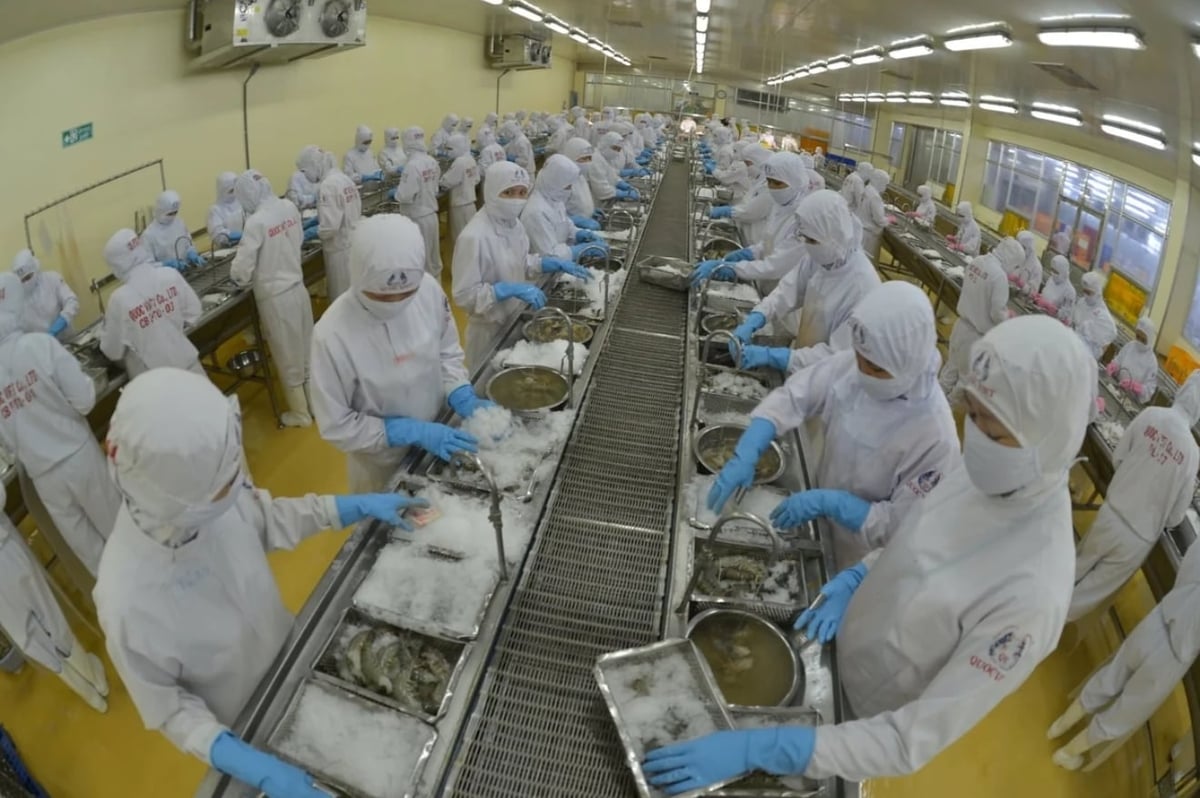
Viet Nam’s seafood export turnover ranged from 8-11 billion USD annually during this period. Photo: Hong Tham.
In recent years, the shrimp sector has made significant advances in farming technology. New models, such as shrimp-mangrove, shrimp-rice, ecological, and high-tech farming, have emerged to boost productivity, reduce disease risks, and meet increasingly strict international standards. These efforts are also driving a shift from volume-based growth toward higher value and sustainability.
Aside from shrimp, pangasius is emerging as another key export, with strong global competitiveness driven by large-scale production, cost advantages, and a well-integrated value chain from breeding and farming to processing and export, according to VASEP.
Although production remains concentrated in the Mekong Delta, pangasius farming is gradually shifting toward higher value-added production, with a stronger focus on environmental protection, efficient water use, and climate adaptation. The sector is also moving away from volume-driven growth toward improving quality and efficiency, building brand value, expanding markets, and strengthening its position in the global seafood supply chain.
Over the years, pangasius exports have typically accounted for 20-25% of Viet Nam’s total seafood export turnover, with key markets including U.S, China, and Europe. The industry has also established a system of large-scale processing enterprises operating closed production chains from seed to export, applying modern technologies to enhance product value and reinforce Viet Nam’s position in the global whitefish market.
Meanwhile, marine seafood products such as tuna, marine fish, cephalopods (squid and octopus), crabs, and shellfish contribute USD 3-4 billion in export value, accounting for 35-40% of total seafood exports. The marine capture sector plays a strategic role, not only in providing livelihoods and improving incomes for fishermen, but also serving as “living markers” in asserting and safeguarding the nation’s sacred maritime sovereignty.
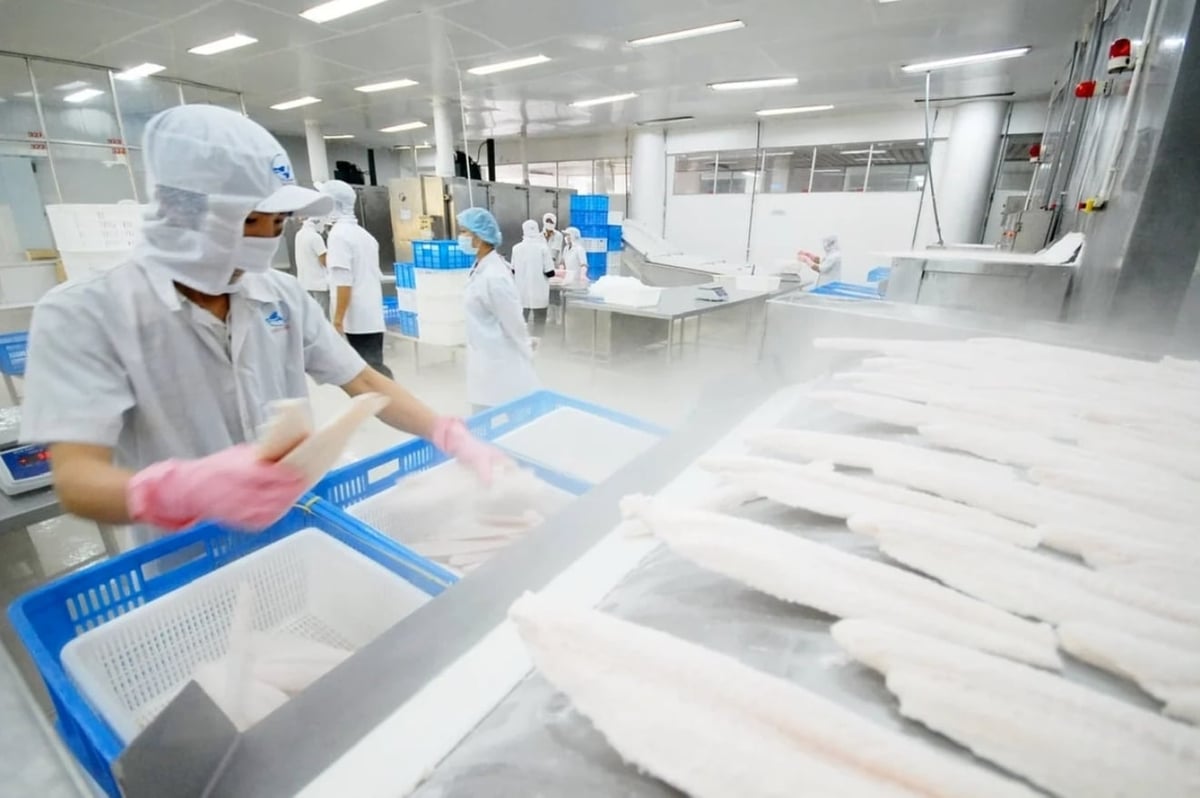
In recent years, pangasius exports have typically accounted for around 20-25% of Viet Nam’s total seafood export turnover. Photo: Hoang Vu.
Pushing for a national offshore aquaculture strategy
To further advance the seafood sector in line with sustainable marine economic goals, VASEP has put forward several key recommendations.
First, it calls for addressing legal gaps and regulatory bottlenecks in a more flexible manner aligned with business realities and international practices. The association proposes three breakthrough measures: attracting private investment in aquaculture infrastructure, particularly irrigation and water systems; allowing flexible conversion of imported seafood between export processing and domestic consumption; and exempting firms from centralized wastewater connections if they already meet national discharge standards.
Second, VASEP stresses the need for a national strategy on industrial-scale offshore aquaculture, along with large processing hubs linked to raw material areas. At the same time, it urges greater investment in logistics and modern fishing ports, including auction markets to improve transparency, as well as upgrades to irrigation, water, and power systems serving aquaculture.
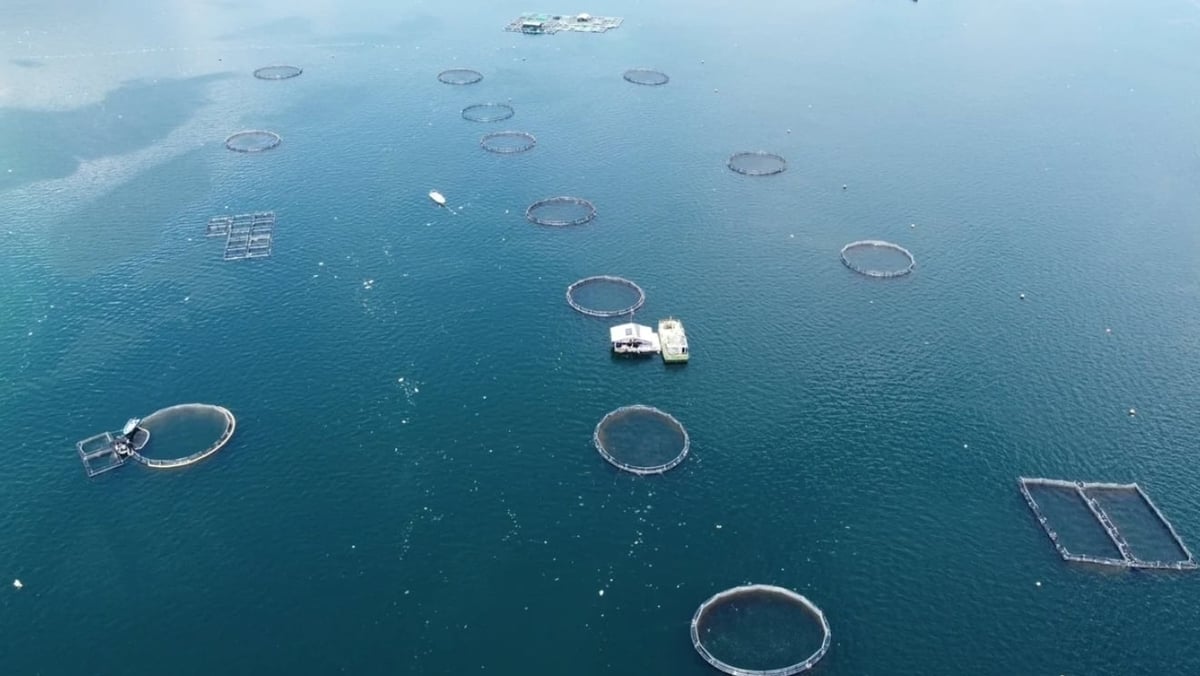
A national strategy for industrial-scale offshore aquaculture is needed. Photo: Hong Tham.
On the policy front, VASEP recommends stronger support for businesses – especially SMEs – to adopt green practices and meet international standards. This includes preferential credit and better access to medium- and long-term financing for high-tech and sustainable production.
The association also highlights the need to boost research, particularly in developing high-quality, climate-resilient breeds, while strengthening linkages among businesses, farmers, researchers, and regulators to build a more sustainable and competitive value chain.
“These proposals are key for the seafood sector to truly expand sustainably,” VASEP said.
“After more than five years of implementing Resolution 36-NQ/TW, the seafood industry has made significant progress, contributing to marine economic development and international integration, while reinforcing its role as a key marine sector”, it added.
Agriculture News | Agri Products Price