



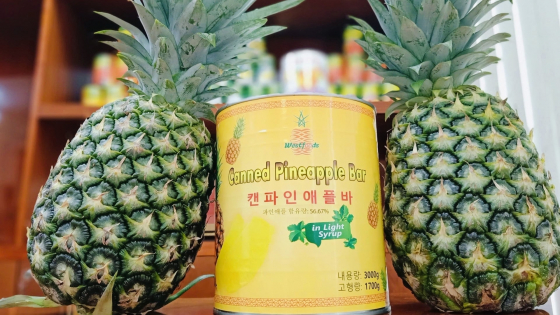
(VAN) MD2 pineapple is emerging as one of Viet Nam’s strategic agricultural products, combining strong market advantages with a sustainable raw material development strategy.
Position in the billion-dollar market
In the global fruit industry, pineapple has become a large-scale commodity with an annual trade value of about $28.79 billion, led primarily by the MD2 variety.
The product is widely favored in major markets such as Europe, the United States, Canada, the Middle East and across Asia, thanks to its thin skin, juiciness, bright yellow color and distinctive aroma and flavor.
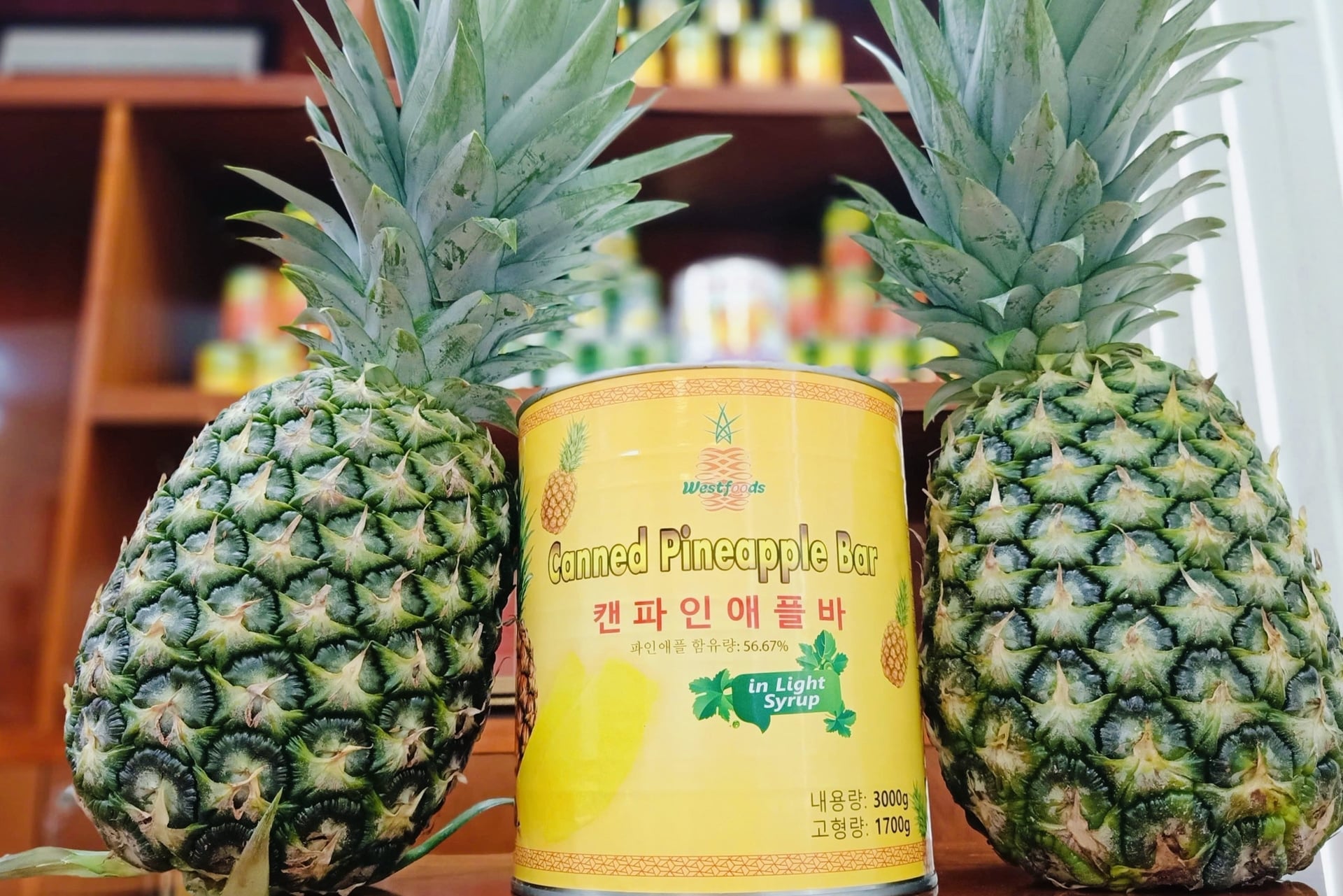
Vietnam’s MD2 pineapple is exported to major markets in various forms, including frozen and canned products. Photo: Kim Anh.
In Viet Nam, pineapple export turnover remains modest, at around $8 million in 2025, but growth has been notable. Output has increased by more than 114%, with MD2 pineapple accounting for a large share and serving as the main growth driver.
The rise of pineapple as an export product in Viet Nam is not accidental. The global pineapple market has long been dominated by Costa Rica, which accounts for more than 50% of export volume, followed by the Philippines. However, in recent years, both countries have faced mounting pressure from climate change, directly affecting yields and cultivated areas.
Tran Ba Son, head of the MD2 pineapple raw material region at Westfood Hau Giang JSC, said this presents a major opportunity for Viet Nam to develop a new product line alongside key fruits such as mango, durian and jackfruit.
Seizing this opportunity, Westfood has taken systematic steps to build a stable and sustainable raw material base for MD2 pineapple.
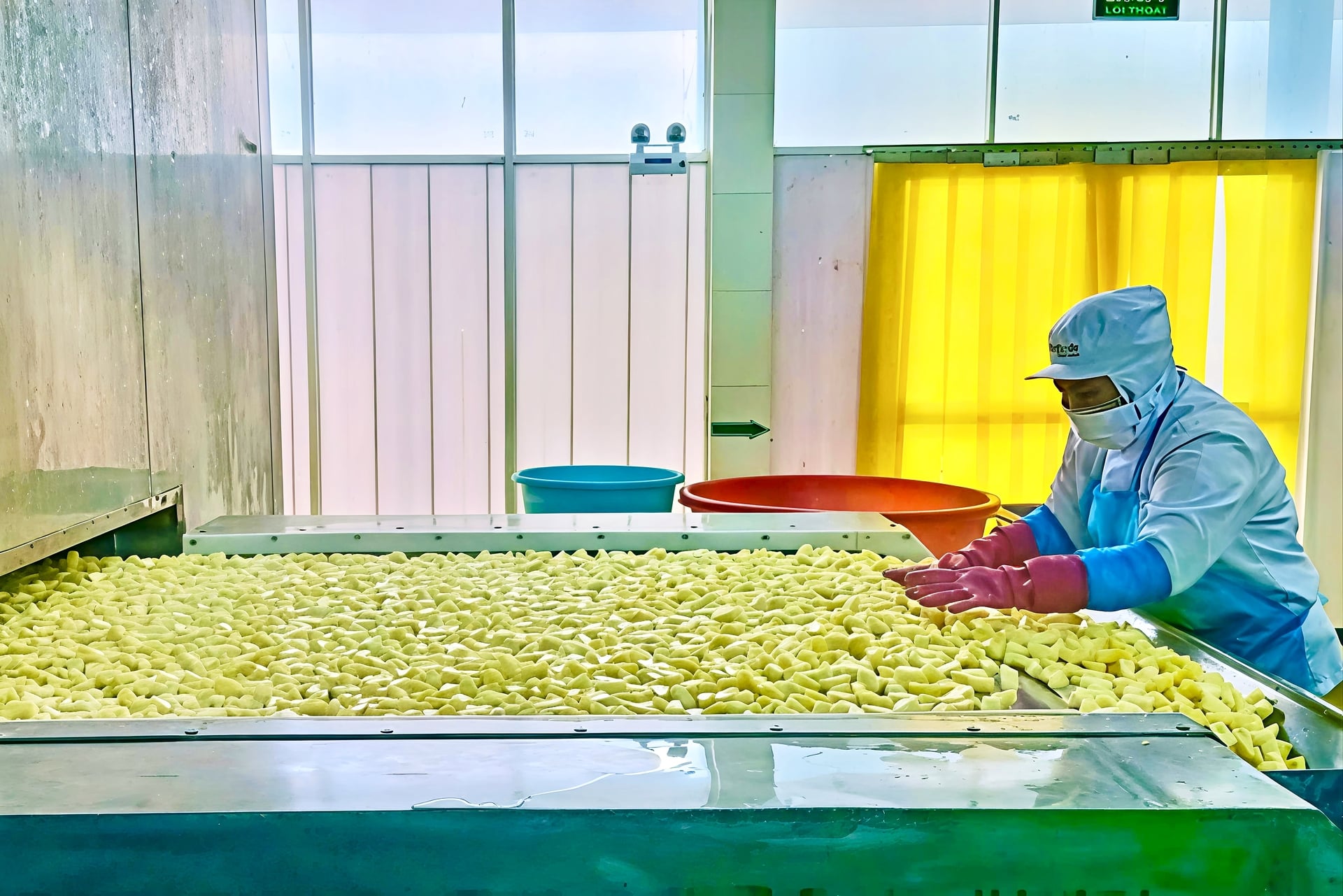
Westfood, one of the Mekong Delta’s leading fruit exporters, aims to expand MD2 pineapple growing areas to 1,000 hectares by 2030, with export turnover projected at about $40 million per year. Photo: Kim Anh.
Since 2017, the company has imported MD2 pineapple varieties directly from Costa Rica and invited experts to transfer propagation and cultivation techniques, adapting production processes to conditions in the Mekong Delta.
A year later, the company began transferring the variety to farmers for commercial production, developing a raw material area of around 300 hectares, concentrated in localities such as Phuong Binh, Long Hung and nearby areas.
According to Son, global demand remains strong. By 2030, Westfood plans to expand its MD2 pineapple growing area to 1,000 hectares, with export turnover expected to reach about $40 million per year.
With an export network spanning more than 21 countries and territories, the company believes MD2 pineapple could become one of Viet Nam’s key export products within the next one to two years.
Beyond export potential, MD2 pineapple offers strong economic returns, with average yields of 40–50 tons per hectare. Farmers’ profits range from 80 – 120 million dong per hectare per year, significantly improving livelihoods in rural areas.
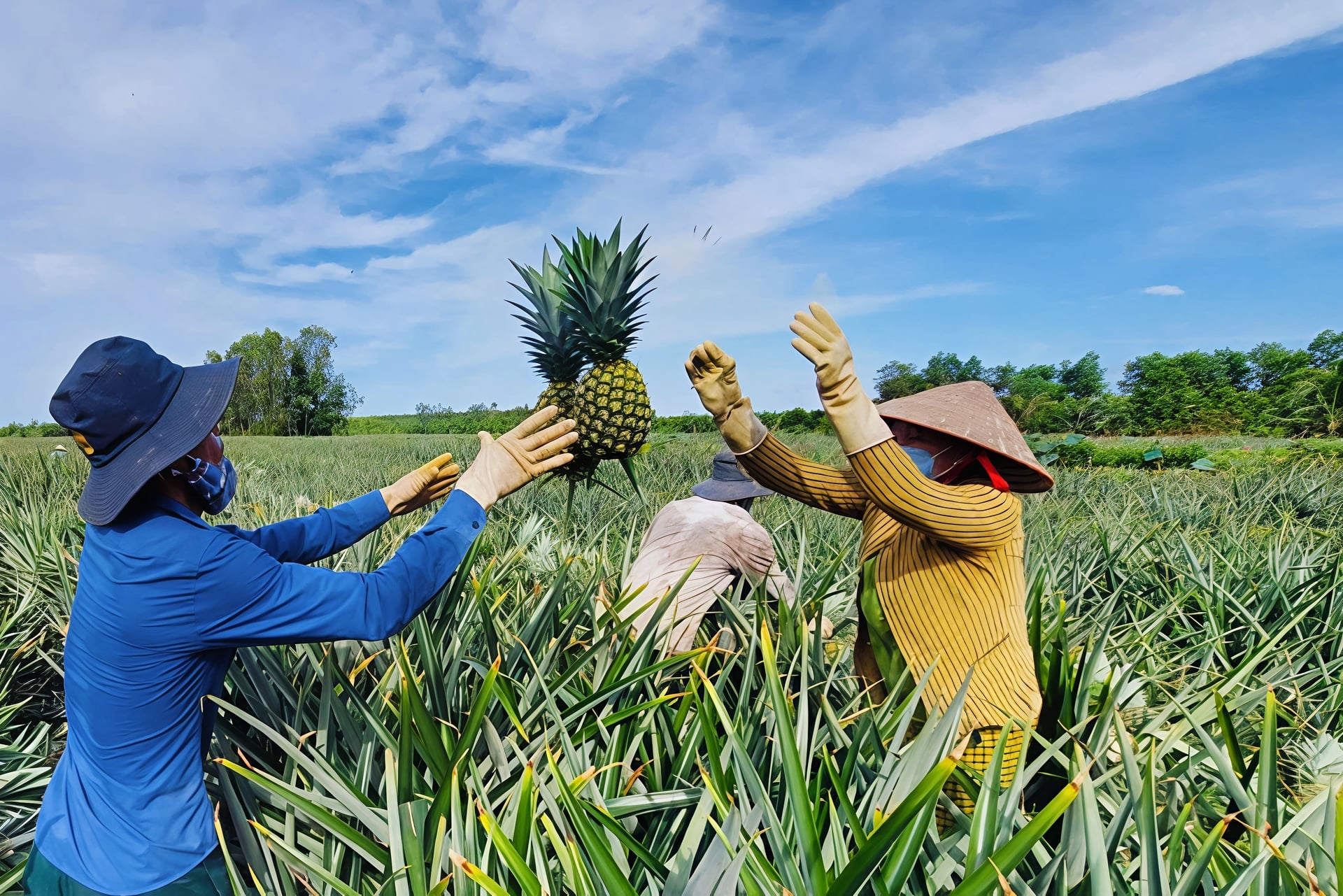
MD2 pineapple growing areas in Can Tho are concentrated mainly in Phuong Binh and Long Hung communes. Photo: Kim Anh.
Strategy for sustainable raw material development
To penetrate the billion-dollar market, expanding raw material areas and building a closely linked and sustainable production – processing – consumption ecosystem is essential.
Tran Ba Son said Westfood signs direct contracts with farmers, clearly defining rights and obligations, with certification from local authorities to ensure legal validity and transparency.
For farmers with limited capital, the company provides seedlings and inputs worth about 170 million dong per hectare, to be gradually deducted after harvest.
The company also deploys agricultural engineers to guide farmers through all stages, from land preparation and planting density to crop care and harvesting. Each engineer supports around 30–40 households, accompanying them throughout the growing season to build trust within the value chain and give farmers confidence in adopting the new crop.
In developing MD2 pineapple raw material areas, the company is working toward GlobalGAP standards and plans to move toward organic production to enhance competitiveness in global markets.
To ensure disease-free planting material, Westfood has established a three-hectare nursery with a dedicated propagation team, securing both input quality and export standards.
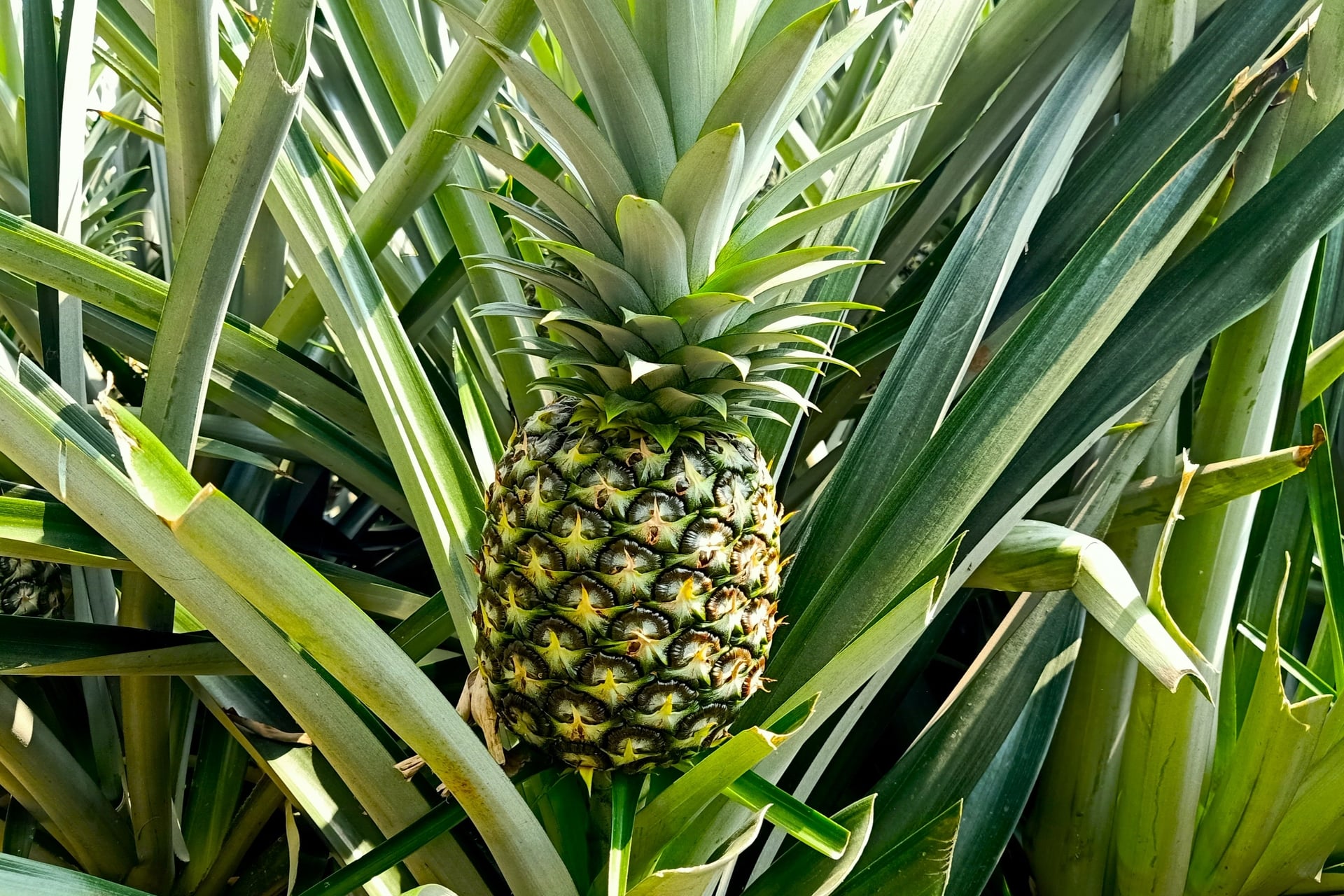
MD2 pineapple features large fruit, thin skin, high juiciness and a distinctive flavor. Photo: Kim Anh.
Since early 2026, the company has introduced agricultural drones for spraying and fertilization, improving efficiency, reducing labor costs and minimizing weather-related disruptions.
Nguyen Thi Giang, Deputy Director of the Can Tho Department of Agriculture and Environment, said that with proper investment and development, MD2 pineapple could become a stable export product delivering sustainable income for farmers.
To support the development of raw material areas, the department has reviewed growing regions and identified localities with potential for concentrated production, including Long Hung, My Tu, Tan Phuoc Hung, Phung Hiep, Xa Phien and Hoa Luu.
Can Tho aims to develop 5,500 hectares of pineapple cultivation, including 3,500 hectares of Queen variety and 2,000 hectares of MD2. In the near term, Westfood plans to expand MD2 cultivation by 30-50 hectares per commune per year, reaching 1,000 hectares by 2030.
Giang suggested that alongside building raw material areas, the company should integrate agricultural and eco-tourism development to enhance product value and ensure sustainability.
Can Tho currently has more than 3,500 hectares of pineapple, including Queen and MD2 varieties, with MD2 concentrated mainly in Phuong Binh commune, covering around 140 hectares.
If the city succeeds in developing a strong MD2 raw material base, the product is expected to become a “new star” in Viet Nam’s agricultural sector in the near future.
Agriculture News | Agri Products Price