

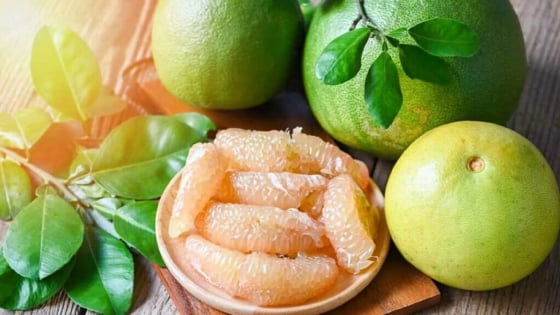
(VAN) Australia has officially listed Vietnamese pomelo on the BICON system, marking the completion of technical assessments and paving the way for exports.
This move was carried out by Australia’s Department of Agriculture, Fisheries and Forestry (DAFF) on April 10. The Viet Nam Plant Production and Protection Department (PPPD-MAE) issued technical guidelines to meet import requirements, serving as a basis for the actual implementation of exports.
When it comes to agricultural trade with Australia, having a product listed on the Biosecurity Import Conditions (BICON) system carries important legal significance, indicating that it has been accepted in principle following biosecurity risk assessment and technical negotiations. This system is considered a transparent “rulebook” on quarantine and standards that businesses must comply with before shipping goods to the border.
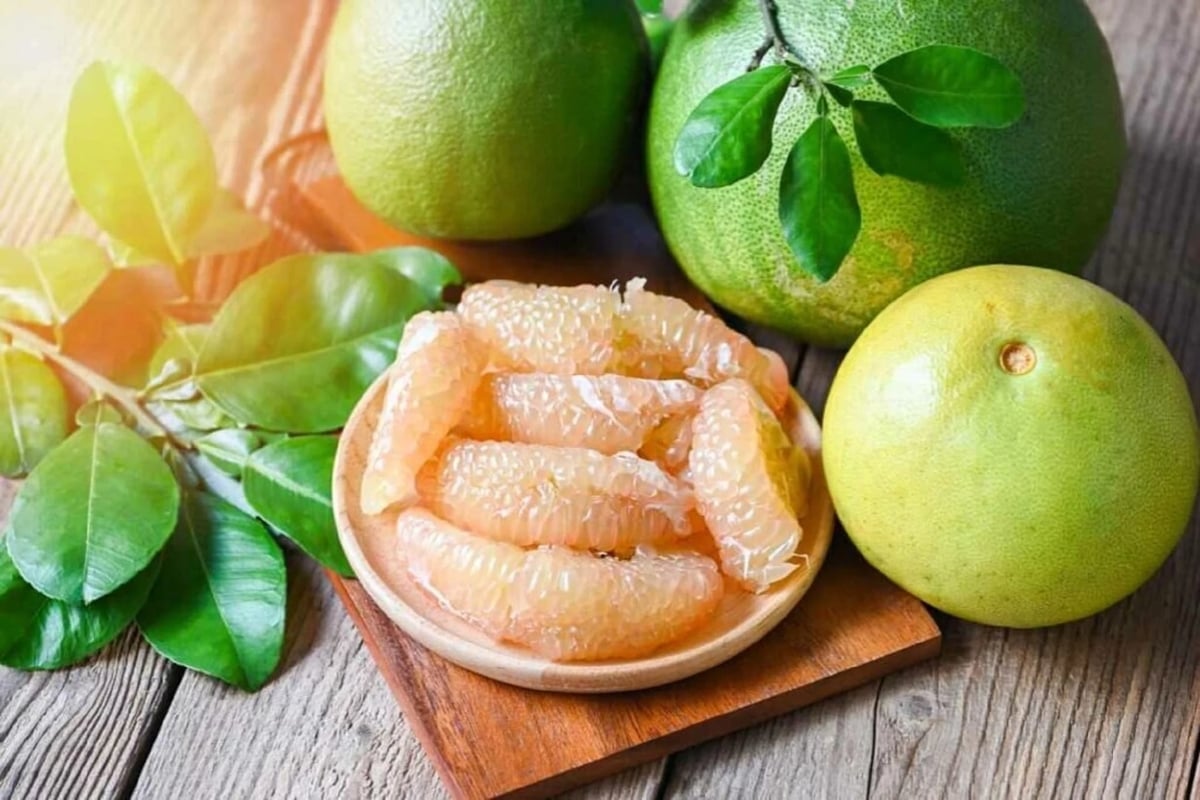
The export ceremony for the first shipment of pomelo to Australia is expected to be announced on April 13. Photo: Etsy.
However, the announcement of import conditions does not mean that goods can be exported immediately. Businesses must still fully meet requirements related to treatment, quarantine, traceability, and pass strict inspections at Australian entry points before clearance.
Completing this step is considered a major milestone in the market-opening process, enabling authorities, localities, and businesses to proactively prepare the necessary conditions, from production to export organization.
Dong Thap’s authorities, in coordination with local agencies, will organize the announcement and export ceremony for the first shipment of Vietnamese pomelo to Australia, scheduled for April 13. The event marks the actual rollout of exports while also promoting the image and quality of Vietnamese agricultural products to international markets.
The PPPD recommends that localities, businesses, cooperatives, and production facilities promptly study all Australian requirements, especially the registration and maintenance of growing area codes, packing facilities, and treatment facilities, as well as building suitable production processes.
Relevant stakeholders are urged to effectively implement pest control measures in accordance with the importing country’s regulations. Coordination with plant quarantine authorities should also be strengthened in technical guidance, inspection, supervision, and completion of procedures before export. The entire chain, from production, harvesting, treatment, packaging, to transportation, must be strictly controlled to ensure full compliance with Australian requirements.
According to authorities, thorough preparation and strict compliance from the outset will help minimize risks, improve shipment quality, and create a solid foundation for maintaining and expanding the market. Beyond meeting import regulations, this process also contributes to enhancing the added value and reputation of Vietnamese pomelo in the international market, opening opportunities to access other high-standard markets in the future.
This achievement comes after nearly two years of negotiations and pest risk assessments, starting around mid-2023. The process included technical exchanges, field surveys, and completion of risk analysis reports before reaching an agreement to allow fresh Vietnamese pomelo into the market. In October 2025, the two countries officially announced market access for Vietnamese pomelo and Australian blueberries, marking progress in bilateral agricultural cooperation.
From the viewpoint of the PPPD, meeting Australia’s stringent requirements, considered a “benchmark” for quarantine and quality standards, demonstrates that Viet Nam’s pomelo sector has improved its production and management capacity, from growing areas and traceability to post-harvest treatment technology.
Currently, pomelo is one of Viet Nam’s major fruit crops, with a total planting area of more than 100,000 hectares, and an annual output of nearly 1 million tons. Vietnamese pomelo is exported to 14 markets, including the United States, South Korea, and New Zealand. Export turnover remains modest compared to its potential, as most high-end markets impose very strict standards on quarantine and quality.
The Ministry of Agriculture and Environment and the PPPD affirmed their commitment to closely coordinating with Australia to support businesses and facilitate the export of fresh Vietnamese pomelo to this market.
Australia’s Department of Agriculture, Fisheries and Forestry (DAFF) officially issued the “Final report on biosecurity import requirements for fresh pomelo from Viet Nam” in May 2025, confirming that Vietnamese pomelo is eligible for import into Australia if it fully complies with pest control measures and phytosanitary procedures.
The report shows that Australia has completed its risk assessment covering the entire process of pomelo from all commercial growing regions in Vietnam, from production, harvesting, post-harvest treatment to transportation. Based on the analysis, DAFF identified 19 pests requiring risk management measures to ensure biosecurity. Notably, these include the Asian citrus psyllid (Diaphorina citri), the oriental fruit fly (Bactrocera dorsalis), mealybugs, and red mites, all of which have previously affected citrus products in many countries.
Agriculture News | Agri Products Price