



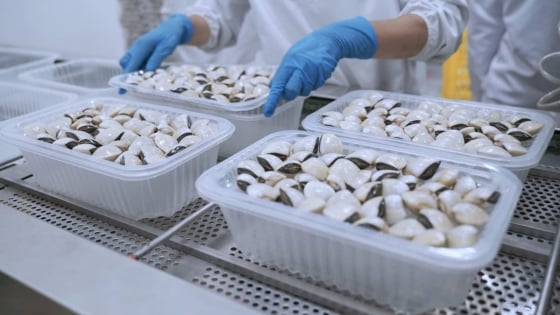
(VAN) Seafood exports showed positive signs of recovery in the first four months of 2026, laying the foundation for an annual growth target of 8-10% and a turnover exceeding USD 12 billion.
Around USD 3.7 billion generated in the first four months
According to the Viet Nam Association of Seafood Exporters and Producers (VASEP), Viet Nam’s seafood exports continued to recover in the first four months of 2026 compared to the same period in 2025. Export turnover is estimated at around USD 3.7 billion, up 14-15% year-on-year.
The results indicate a positive start for the seafood sector, particularly in key products such as shrimp, pangasius, squid, octopus, crab, shellfish, and several high-value seafood items. However, growth has not been uniform across products and markets. Some major markets, including the United States and the European Union, have recovered slowly, while China and Hong Kong recorded strong growth but also pose risks related to market dependence, official trade controls, and traceability requirements.
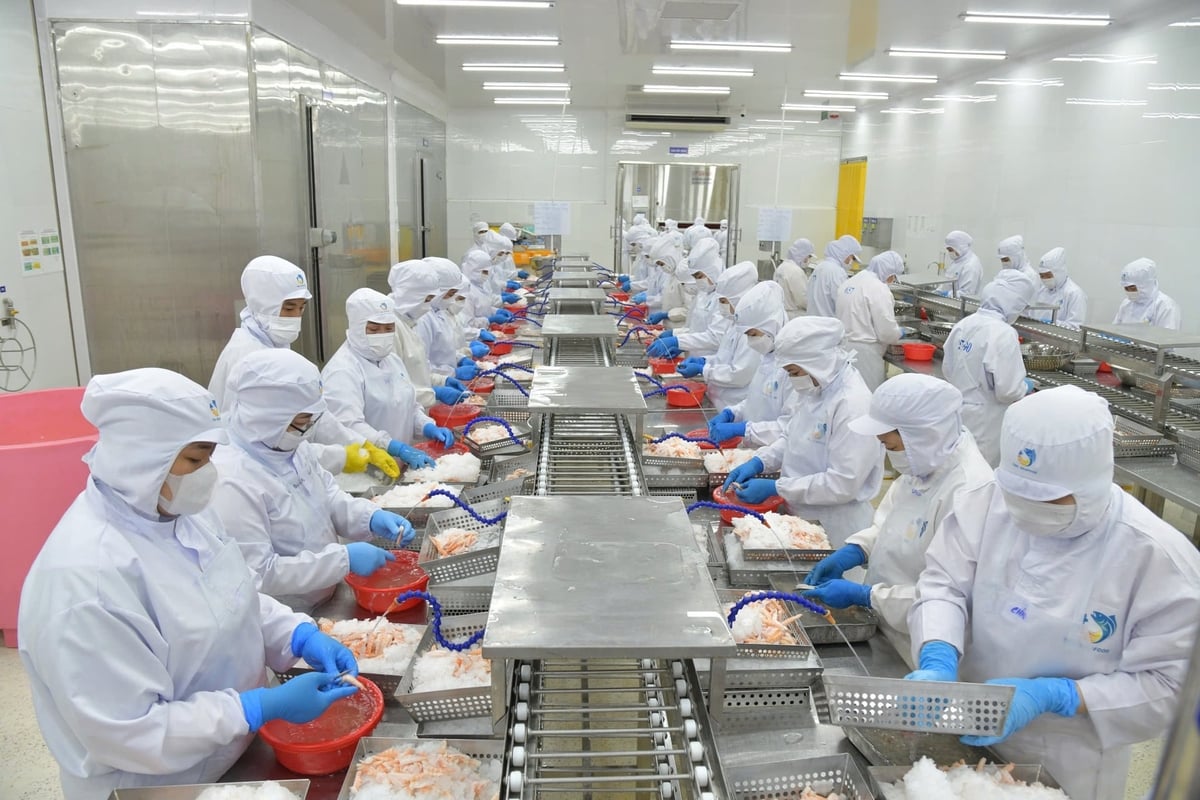
Viet Nam’s seafood exports in the first four months of 2026 reached approximately USD 3.7 billion, up 14-15% compared to the same period last year. Photo: Hong Tham.
Specifically, shrimp exports in the first four months of 2026 reached around USD 1.5 billion, up 15% year-on-year and accounting for more than 40% of total seafood export turnover. Growth was driven by the recovery of several Asian markets, strong increases in lobster exports, and positive signals from processed and value-added shrimp products.
However, the shrimp sector continues to face intense price competition from Ecuador, India, and Indonesia. In the U.S. market, the industry remains under pressure from anti-dumping and countervailing duties, risks arising from administrative reviews, and cautious purchasing sentiment among importers.
Pangasius exports reached approximately USD 734 million, up 19%, maintaining their position as the sector’s second key export category. Pangasius retains advantages as consumers in many markets remain price-sensitive, sustaining demand for reasonably priced whitefish products.
Growth opportunities for pangasius are concentrated in China, ASEAN countries, the Middle East, the EU, and several emerging markets. Nevertheless, the sector still faces pressure related to selling prices, aquaculture standards, quality requirements, traceability, equivalent assessment programs, and food safety controls in the U.S. market.
Tuna has been the export category facing the greatest pressure among Viet Nam’s major seafood products. Tuna exports declined by around 6% year-on-year to USD 286 million. The decline was mainly attributed to limited raw material supply, high input costs, competition in the canned tuna and tuna loin segments, and requirements for legal catch certification, Certificates of Admissibility (CoA) under the Marine Mammal Protection Act (MMPA), traceability, and anti-IUU fishing measures.
Exports of squid and octopus reached approximately USD 234 million, up 17%. This category has shown strong recovery signals, driven by demand from South Korea, Japan, China, and Hong Kong. However, the segment depends heavily on both domestic and imported raw materials, making it directly affected by IUU regulations, controls on imported raw materials, origin certification requirements, and logistics costs.
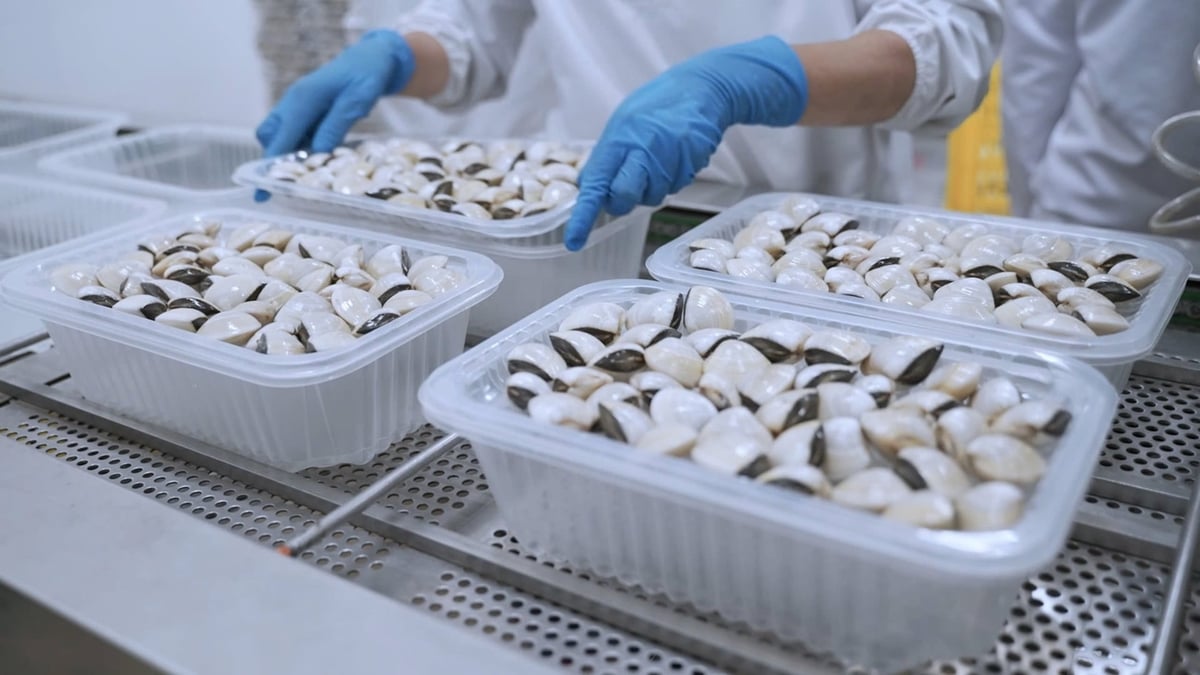
Exports of shellfish increased by around 26% to USD 102 million, reflecting the growth potential of products associated with offshore and coastal aquaculture as well as sustainable consumption trends. Photo: Hong Tham.
Exports of crab and other crustaceans increased by around 21% to USD 126 million. This category still holds significant growth potential in value-added processed products, convenience foods, and high-value markets. However, the segment is facing major challenges from requirements for Certificates of Admissibility (CoA) for exports to the United States, especially for nearshore blue crab due to the fragmented nature of harvesting activities, multilayered purchasing chains, and difficulties in tracing products back to fishing vessels and gear. Export growth mainly came from live crab shipments to China.
Exports of shellfish (including clams, oysters, and scallops) rose by around 26% to USD 102 million, reflecting the growth potential of products linked to marine aquaculture, coastal farming, and sustainable consumption trends. Several products such as lobster, tilapia, scallops, and oysters also recorded strong growth, indicating a shift toward higher-value market segments.
Calls for solutions to institutional, raw material, and market bottlenecks
According to VASEP, seafood exports in the first four months of 2026 reached around USD 3.7 billion, up 14-15% year-on-year, signaling a positive recovery trend. However, growth remains fragile due to high logistics costs, fierce international competition, and increasingly strict technical barriers. In particular, exports to the United States and the European Union continue to face numerous challenges related to tariffs, traceability requirements, IUU regulations, and new standards such as MMPA, CoA, CC, and P/S regulations.
At the same time, businesses are grappling with various domestic obstacles, including complicated administrative procedures, high compliance costs, difficulties in controlling imported raw materials, value-added tax regulations on re-imported goods, shortcomings in quarantine and food safety management, wastewater treatment costs in industrial parks, and the lack of a legal framework for investment in irrigation and aquaculture infrastructure.
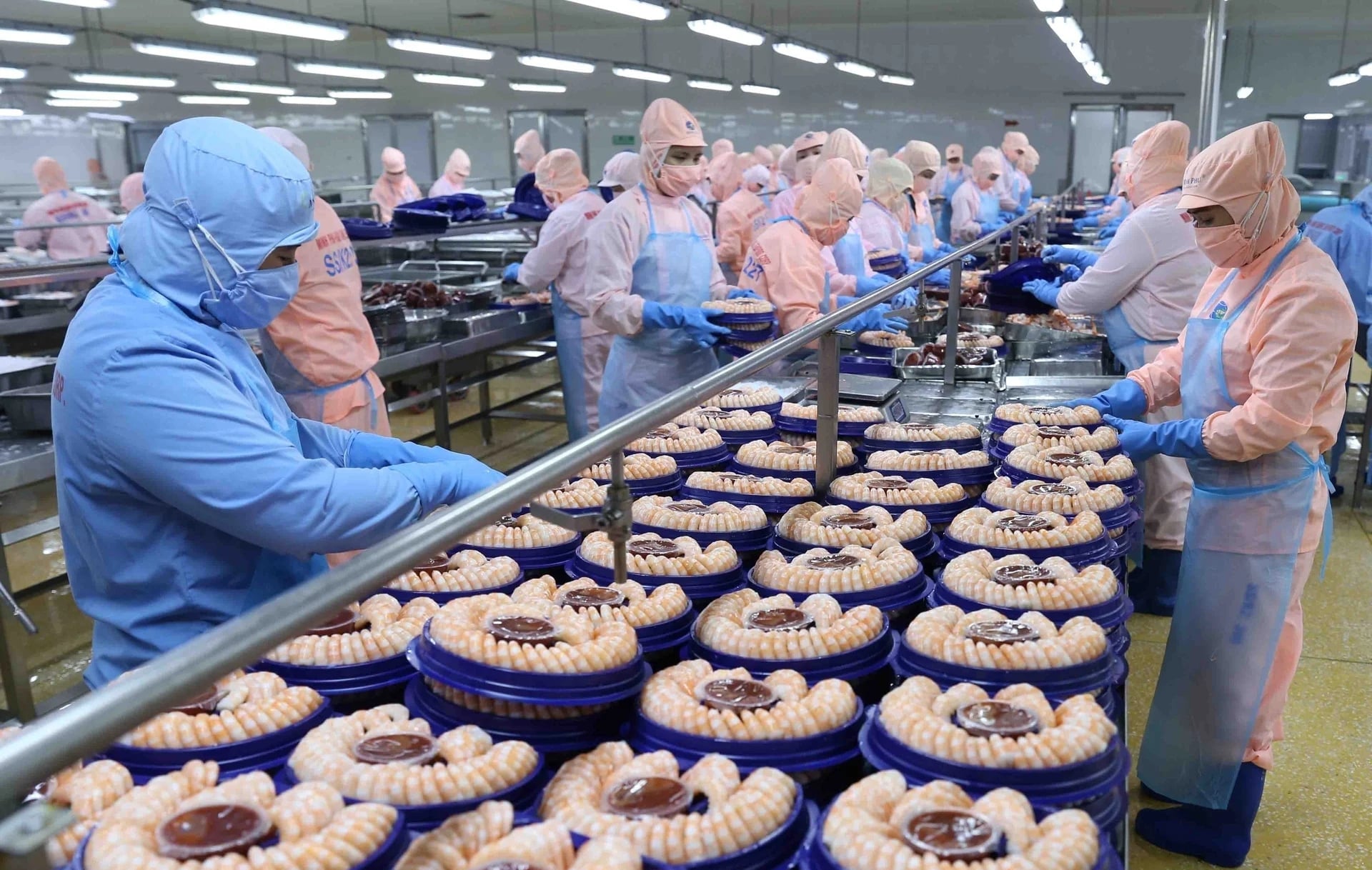
Viet Nam’s seafood sector has the potential to make a strong contribution to the country’s double-digit export growth target in 2026 if urgent bottlenecks are effectively addressed. Photo: Hong Tham.
VASEP forecasts that Viet Nam’s seafood exports in 2026 could exceed USD 12 billion, achieving growth of 8-10% if key bottlenecks are resolved in a timely manner, particularly those related to institutions, raw materials, and markets.
To achieve this target, the association has called on the Government and the Ministry of Agriculture and Environment to continue accelerating administrative reform, reducing compliance costs, and shifting more strongly toward risk-based management and post-clearance inspection. VASEP also urged authorities to review and amend regulations related to seafood exports to the European Union and the United States, especially procedures for issuing certificates such as C/C, P/S, and CoA.
In addition, VASEP proposed improving the legal framework on food safety, environmental standards, and taxation; expanding credit support; promoting investment in aquaculture and fishing infrastructure; developing stable raw material supplies; and strengthening trade promotion efforts to diversify and expand export markets.
The association also emphasized the importance of enhancing policy dialogue between regulators and the business community in order to promptly address emerging difficulties, support the sustainable development of the seafood sector, and improve its competitiveness in the coming years.
As one of Viet Nam’s key export industries, closely linked to the livelihoods of millions of farmers, fishermen, workers, and seafood processing enterprises nationwide, the seafood sector has the potential to make a meaningful contribution toward achieving double-digit export growth in 2026. However, to reach this goal, the industry requires timely support and close coordination from the Government, the Ministry of Agriculture and Environment, other ministries, sectors, and local authorities in reforming institutions, improving the business environment, reducing compliance costs, and addressing international trade barriers.
Agriculture News | Agri Products Price