



(VAN) Viet Nam has reached another agreement to export 1.5 million tons of rice to the Philippines, with deliveries scheduled through April 2027.
According to the latest Rice Market Bulletin released by the Institute of Strategy and Policy on Agriculture and Environment (ISPAE), Viet Nam and the Philippines have finalized an agreement to supply 1.5 million tons of rice, with deliveries scheduled through April 2027. The agreement was concluded on the sidelines of the ASEAN Summit in Cebu, the Philippines, and includes a pricing mechanism for the DT8 rice variety at USD 450 per ton.
From a market perspective, the agreement not only helps secure medium-term export outlets for Vietnamese rice, but also demonstrates the competitiveness of Viet Nam’s rice industry, particularly amid regional challenges caused by climate change, food inflation, and supply chain disruptions.
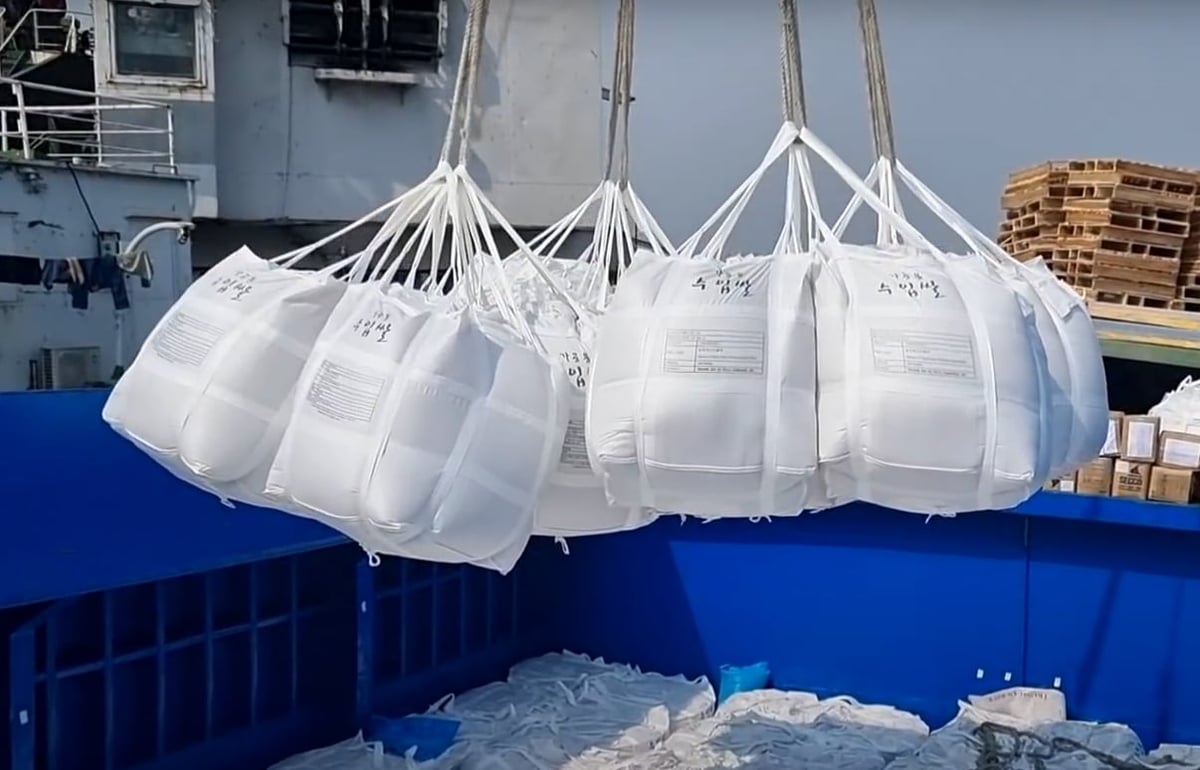
This is considered a positive signal for Viet Nam’s rice exports, especially as the Philippines remains the country’s largest and most stable import market. Photo: Thanh Son.
The Philippines’ continued priority in signing large-volume agreements with Viet Nam also helps strengthen the position of Vietnamese rice within the ASEAN regional supply chain. Beyond its commercial significance, the agreement also opens up broader opportunities for agricultural cooperation between the two countries in the coming years.
Amid positive market signals, Viet Nam’s rice export prices have shown an upward trend. During the week of May 4-8, prices for 5% broken rice from both Thailand and Viet Nam increased, while Indian rice prices remained unchanged compared to the previous week.
Specifically, Viet Nam’s 5% broken rice reached USD 398 per ton, up USD 5 per ton from the previous week due to tightening supply.
Thailand’s 5% broken rice rose to USD 405 per ton, an increase of USD 10 per ton as the country’s harvest season was nearing completion.
Meanwhile, India’s 5% broken rice remained unchanged at USD 341 per ton, mainly because most African countries did not place additional orders.
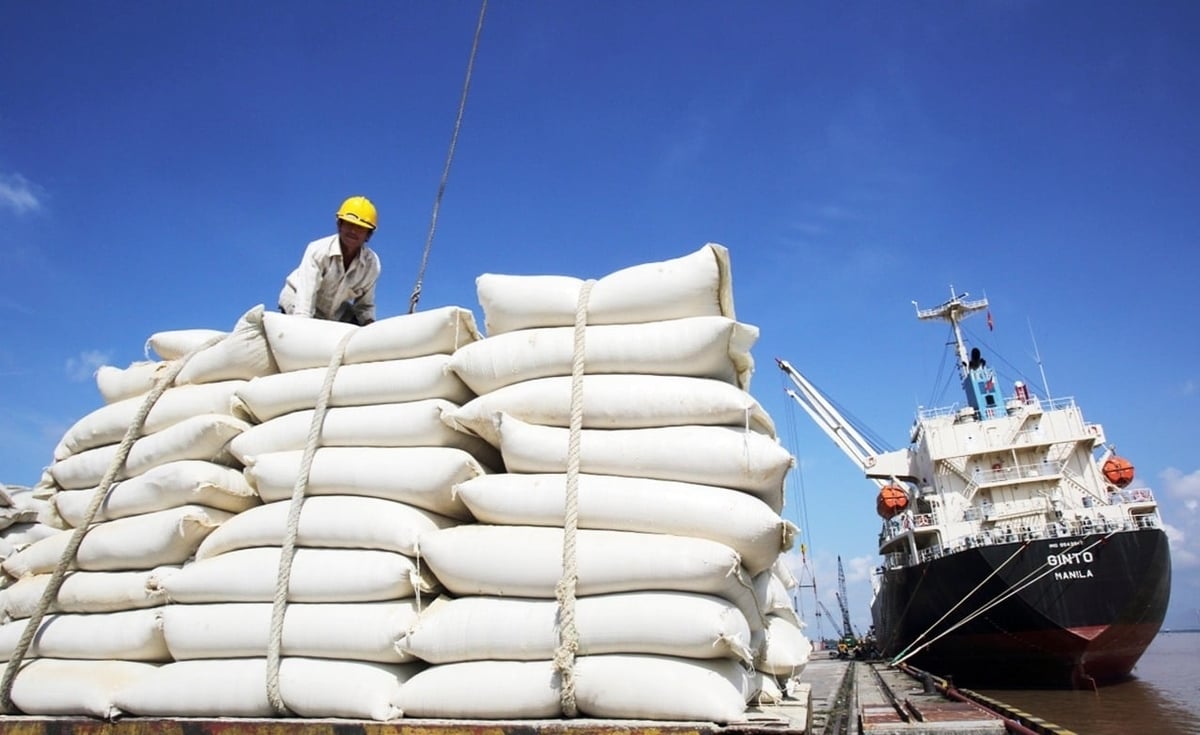
Viet Nam’s 5% broken rice price reached USD 398 per ton, up USD 5 per ton from the previous week due to tightening rice supplies. Photo: Chinhphu.vn.
The bulletin also noted that revenue from rice import tariffs in the Philippines surged in the first quarter of 2026 thanks to rising import volumes, despite declining global rice prices. According to preliminary data from the Philippine Bureau of Customs, the country collected around PHP 4.8 billion (equivalent to USD 78 million) in rice import duties during the first three months of the year, up 13% compared to the same period last year.
During the same period, rice imports increased from 1.02 million tons to nearly 1.36 million tons, while the average import price fell by 16%, from USD 483.6 per ton to USD 402.8 per ton.
This revenue has become an important financial source for the Philippines’ Rice Competitiveness Enhancement Fund, which is allocated around PHP 30 billion annually through 2031 to support farmers and improve the competitiveness of the country’s rice sector.
On the market management side, the Philippine Department of Agriculture continues to monitor and regulate rice imports to mitigate adverse effects on domestic paddy prices.
After temporarily suspending rice imports from September to December 2025, the Philippines resumed rice imports at the beginning of 2026, with average arrivals of around 450,000 tons per month in the first quarter.
However, authorities are considering imposing monthly import quotas from June to August 2026 to balance supply and prevent domestic paddy prices from falling too sharply. The Philippines also aims to maintain farmgate paddy prices at around PHP 22 per kilogram for the harvest season from September to November 2026.
$ 1 = PHP 61,53 – Source: Google Finance.
Agriculture News | Agri Products Price