

(VAN) Many agricultural products are of sufficient quality to join global supply chains, yet fail to pass the first gateway when entering international markets due to packaging and information in English.
According to Mr. Nguyen Ba Hai, Deputy Director of the Trade and Investment Promotion Support Centre (Viet Nam Trade Promotion Agency, Ministry of Industry and Trade), most agricultural producers, including those with OCOP products, still access exports as an “add-on” sale, rather than viewing packaging and language as mandatory conditions for participating in international markets.
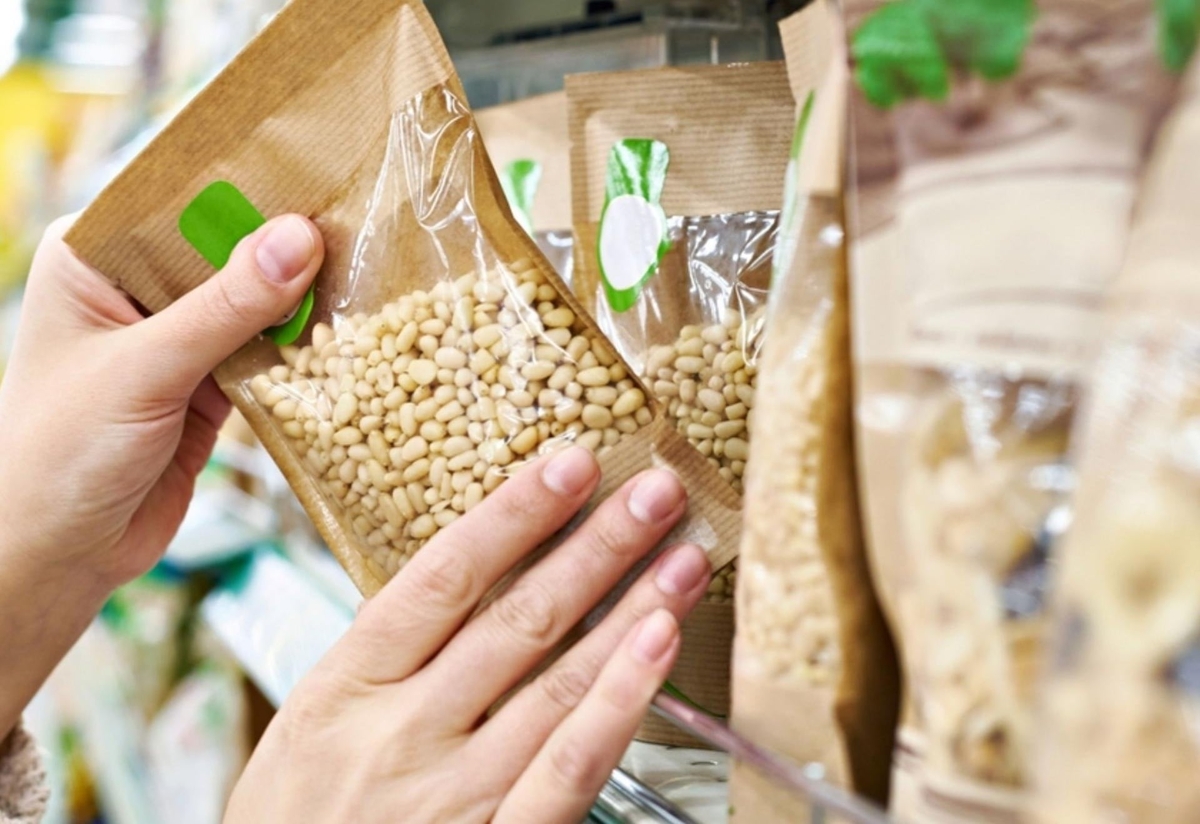
Standard-compliant packaging is regarded as a “soft value” that helps increase producers’ income. Photo: Bao Thang.
Packaging fails to meet commercial standards
Packaging is the first point of contact between a product and an importer. In reality, however, many products still use packaging designed for the domestic market, featuring insufficient information, cluttered layouts, and a lack of compliance with the requirements of target markets.
According to the Viet Nam Trade Promotion Agency, common shortcomings include missing mandatory components; inconsistent labeling across different batches; unclear indication of raw material origins; information on shelf life and storage conditions not in accordance with norms; and packaging designs failing to take international transportation into account. These shortcomings can result in products being rejected at the very first stage of partner access, without the need to proceed to testing or price negotiations.
Notably, many OCOP entities and agricultural producers and traders still regard packaging as a secondary cost, to be addressed only after orders are secured. This approach is incompatible with exports, as partners typically assess products through dossiers, designs, and information before initiating any commercial discussions.
Alongside packaging, language is the second major bottleneck in bringing Vietnamese agricultural products to the global market. Most products provide information only in Vietnamese or rely on rudimentary English translations that fail to meet commercial and technical terms.
According to Mr. Nguyen Ba Hai, the lack of information in English not only causes difficulties for end consumers but also leaves importers without sufficient data to assess risks. “They need clear details on ingredients, processes, certifications, storage conditions, and legal responsibilities. If the information is unclear, they will not proceed,” he explained.

Mr. Nguyen Ba Hai, Deputy Director of the Trade and Investment Promotion Support Centre. Photo: Tien Thanh.
Difficult to access formal distribution channels
Weak packaging and inadequate English-language information lead to a clear consequence: products struggle to enter formal distribution channels. Even in markets that accept small-scale shipments, importers still require standard information to ensure compliance with local regulations.
Trade promotion agencies recommend a practical approach, which is to standardize basic elements before expanding into multiple markets. Instead of spreading across many markets, producers should select a target market, carefully study its labeling and language requirements, and then refine packaging to meet those standards.
According to Mr. Hai, this solution can be done step by step, including reviewing mandatory information, hiring specialized translators, unifying packaging design, and standardizing company profiles in English. “There is no need for major initial investment, but it must be done correctly and comprehensively,” he said.
In the context of intensifying competition, packaging and English are no longer advantages but minimum requirements for agricultural products to participate in exports. Delays in standardizing these two factors cause many products to miss opportunities at the very first stage, despite their quality potential.
Agriculture News | Agri Products Price