

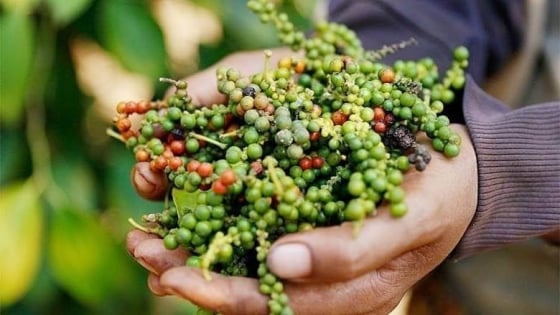
(VAN) Facing mounting cost pressures and global competition, Viet Nam’s pepper and spice industry is maintaining position through deep processing.
Pressure mounts from all sides
Viet Nam’s pepper and spice industry is entering a period of fiercer competition than ever before, as it simultaneously faces pressure from international markets, rising trade protectionism, and internal bottlenecks related to administrative procedures and production costs.
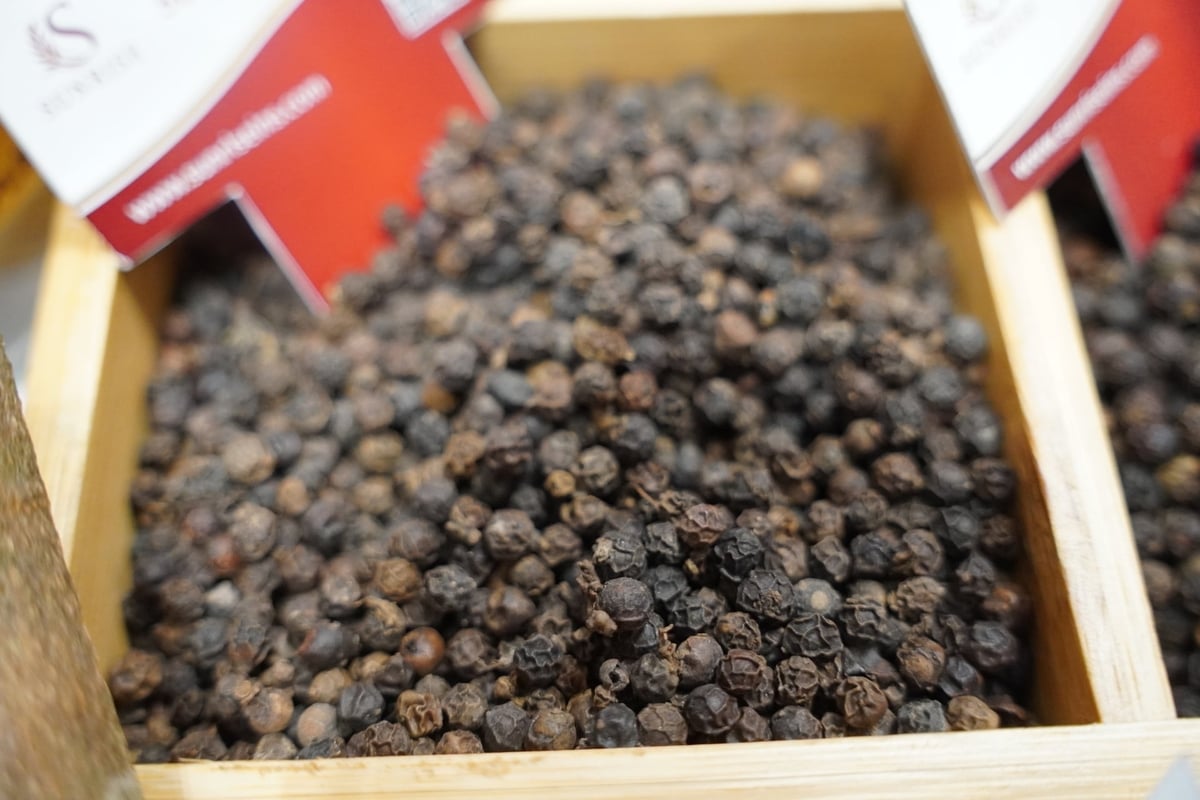
Vietnamese pepper is facing growing competitive pressure as global prices fluctuate and importing markets tighten quality standards and traceability requirements. Photo: Nguyen Thuy.
Ms. Hoang Thi Lien, Chairwoman of the Vietnam Pepper and Spice Association, said the global trade landscape is becoming increasingly unpredictable amid geopolitical conflicts, trade tensions among major economies, and stricter scrutiny measures from importing markets.
In particular, in the U.S. – one of the largest export markets for Viet Nam’s spice industry, businesses are closely monitoring developments related to trade remedies and tariff policies.
“At present, the U.S. believes that many of Viet Nam’s export sectors are showing signs of excess capacity, so they are conducting very strict reviews. The pepper and spice sector is also among the industries under close watch,” Ms. Lien noted.
According to her, even minor changes in technical regulations or tariff rates could directly affect exporters’ operations.
Beyond pressure from international markets, companies in the sector are also facing difficulties stemming from domestic administrative procedures, especially the process of obtaining certificates of origin for exports. Although the Government and the Ministry of Industry and Trade have delegated authority to local administrations, implementation in practice still contains many “grey areas,” causing businesses to incur additional time and costs.
“In some localities, responsibilities remain unclear, while central agencies believe those matters already fall under local authority. It is precisely this gap that creates major difficulties for businesses,” she said.
According to the Chairwoman of the Viet Nan Pepper and Spice Association, the consequences ultimately extend beyond enterprises and directly affect farmers in raw material regions.
“The people most affected in the end are still farmers. Pepper, cinnamon, and star anise growing areas are largely concentrated in ethnic minority regions. If additional costs continue to rise, farmers’ profits will be severely eroded,” Ms. Lien emphasized.
For example, cinnamon trees require around 10 years of cultivation before harvest. Therefore, if export procedures become more costly and time-consuming, production efficiency will decline significantly.
In addition to export documentation issues, businesses also face obstacles in organizing international conferences and seminars for trade promotion activities.
“In some cases, international partners had already arrived in Viet Nam, yet local authorities still had not completed procedural responses. In an era where technology and AI are advancing rapidly, prolonged administrative procedures make it very difficult for businesses to remain competitive,” Ms. Lien said.
Key to enhancing competitiveness
Despite mounting pressures, Viet Nam’s pepper and spice industry has still maintained positive growth during the first months of this year. According to data from the Vietnam Pepper and Spice Association, in the first four months of the year, the sector’s exports rose by around 20% in volume and 10-15% in value. The U.S. market alone recorded growth of approximately 40%.
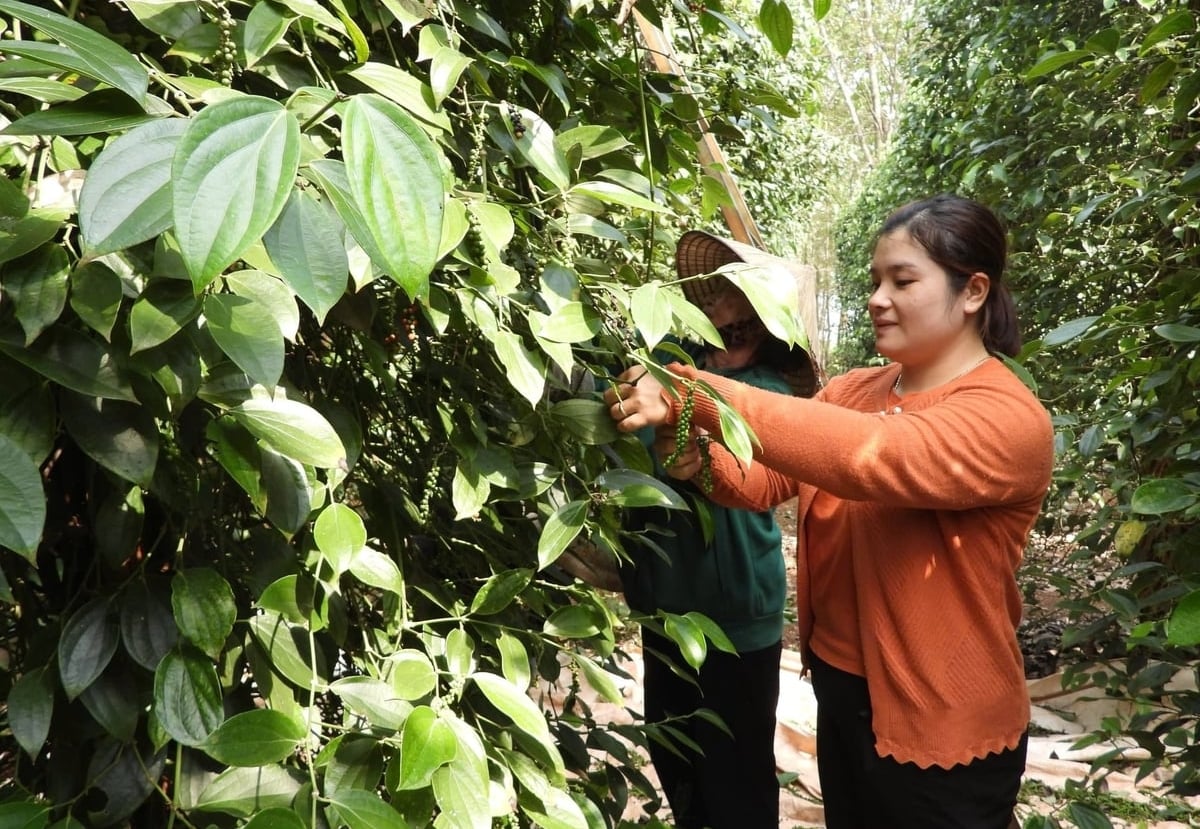
Farmers tend pepper plantations using sustainable cultivation practices to improve product quality and meet the increasingly stringent requirements of export markets. Photo: Tran Trung.
This demonstrates that global demand for Vietnamese spices remains very strong. Viet Nam continues to play an important role in the world market for products such as pepper, cinnamon, and other spices.
However, Ms. Hoang Thi Lien believes that future growth potential will no longer come from expanding output, but rather from increasing added value through deep processing and sustainable development.
“We cannot continue increasing production forever. To raise value, we must move toward deep processing, essential oil extraction, brand building, and meeting transparent traceability requirements,” she stressed.
The industry has been shifting strongly toward green production models in order to meet increasingly stringent requirements from major import markets such as the United States and Europe.
Several enterprises are now working with farmers to develop sustainable raw material areas, reduce the use of chemical pesticides, increase the use of biological products, and strengthen traceability controls. Some companies are also investing in circular economy models by utilizing by-products to reduce emissions and enhance product value.
“The current trend is not only about selling products, but also about proving that products are green, clean, and sustainably produced. Without change, businesses will find it very difficult to maintain their markets,” Ms. Lien emphasized.
The Viet Nam Pepper and Spice Association is also cooperating with various international organizations to implement projects supporting farmers in Gia Lai, Dak Nong, and Lam Dong to pilot sustainable farming models and promote the use of bio-fertilizers and biological pesticides.
However, the biggest challenge remains investment capital for deep processing. To build an essential oil extraction plant, businesses must invest around USD 3-5 million, while commercial lending rates of approximately 11% are discouraging many companies from making long-term investments.
“If preferential loan policies or interest rate support were available during the initial years, businesses would be more confident in investing in deep processing,” she proposed.
Viet Nam’s pepper and spice industry is entering a new phase of competition, where advantages no longer lie solely in production volume or low prices, but increasingly in quality, sustainability, and branding capability. Therefore, if bottlenecks related to administrative procedures, costs, and credit access can be addressed, the industry could continue maintaining growth in the coming years while expanding into more high-value markets.
Agriculture News | Agri Products Price