

(VAN) Developing value chains, improving logistics connectivity, expanding key product sectors, and refining policy frameworks are identified as four key priorities to accelerate exports of AFF products to India.
After years of focusing on traditional export markets, Vietnamese agricultural products are now facing a major opportunity to expand into a new “mega-market” – India. Notably, Vietnamese durian is expected to officially gain access to the Indian market as early as July, once all required technical procedures are completed.
This is considered an important milestone for Viet Nam’s durian sector and for the country’s agriculture, forestry, and fisheries sector as a whole. However, to effectively tap into the 1.4-billion-consumer market, Viet Nam will need to fundamentally shift its approach, moving beyond exporting raw materials toward building long-term value chains and participating more deeply in India’s processing and distribution systems.
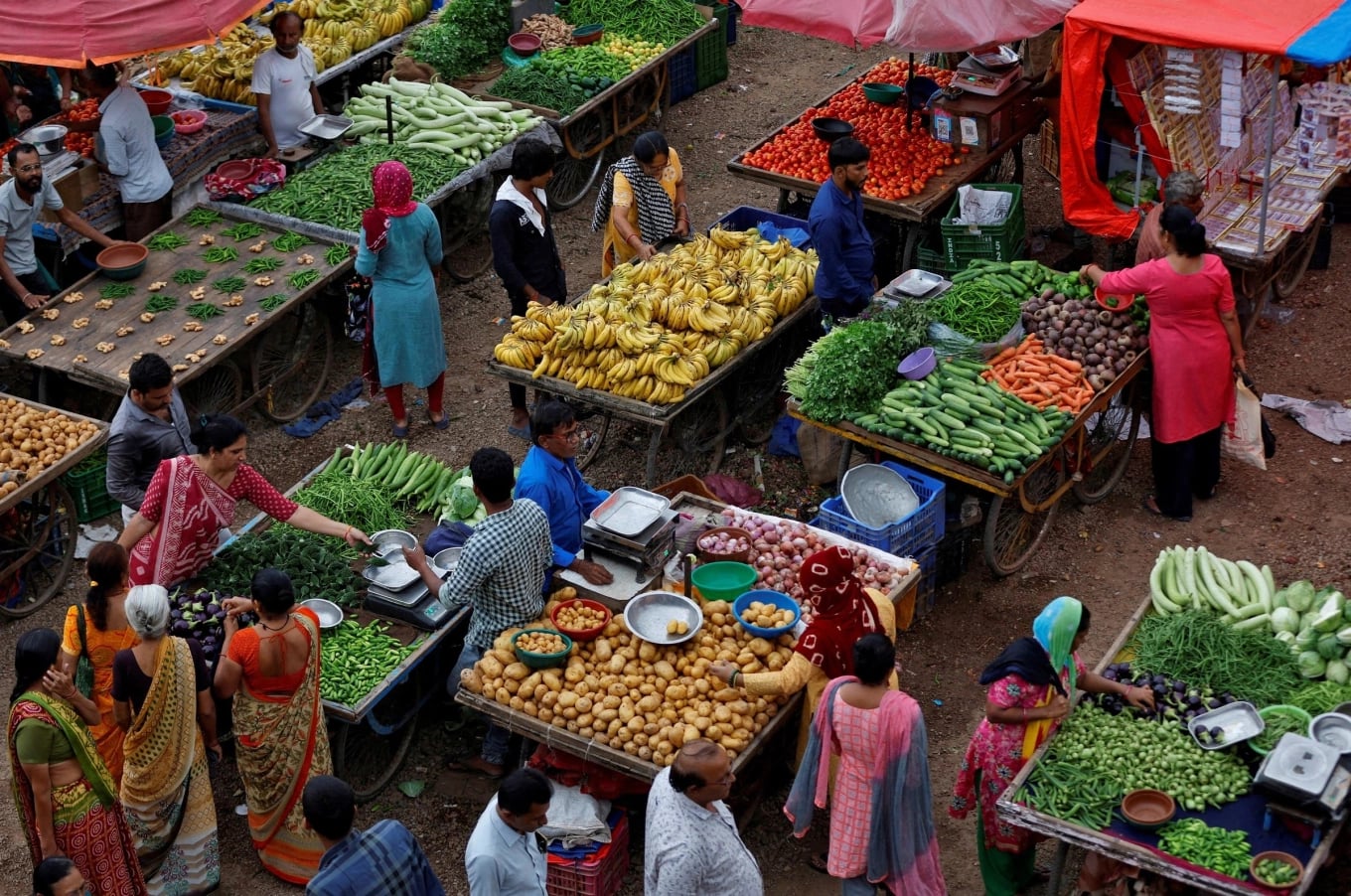
India is one of the world’s most populous countries, with strong and diverse demand across a wide range of products and a massive level of consumption. Illustrative photo.
Shifting from “selling products” to building value chains
The biggest bottleneck facing Viet Nam’s agriculture, forestry, and fisheries (AFF) exports today lies not in production capacity, but in a market approach that remains fragmented, short-term, and heavily dependent on raw exports. Therefore, the current model needs to evolve toward the development of integrated Viet Nam-India agricultural value chains. Under this approach, Vietnamese enterprises would not only supply raw materials, but also gradually participate more deeply in processing, logistics, and distribution activities within the Indian market.
At the macro level, Viet Nam should proactively push for the review and adjustment of the ASEAN-India Free Trade Agreement (AIFTA), with greater priority given to Viet Nam’s strategic AFF products. At the same time, Viet Nam should explore ways to expand market access for high-potential products while addressing barriers related to rules of origin and sensitive product lists.
Beyond tariff barriers, requirements related to quarantine, food safety, and quality standards will serve as critical “entry tickets” for Vietnamese businesses. Compliance with standards set by the FSSAI (Food Safety and Standards Authority of India) and BIS (Bureau of Indian Standards) has become mandatory for companies seeking deeper access to the mid- and high-end market segments.
At the same time, an early warning system should be established to monitor changes in India’s trade policies, technical standards, and import regulations, helping businesses stay updated with sector-specific information in a timely manner.
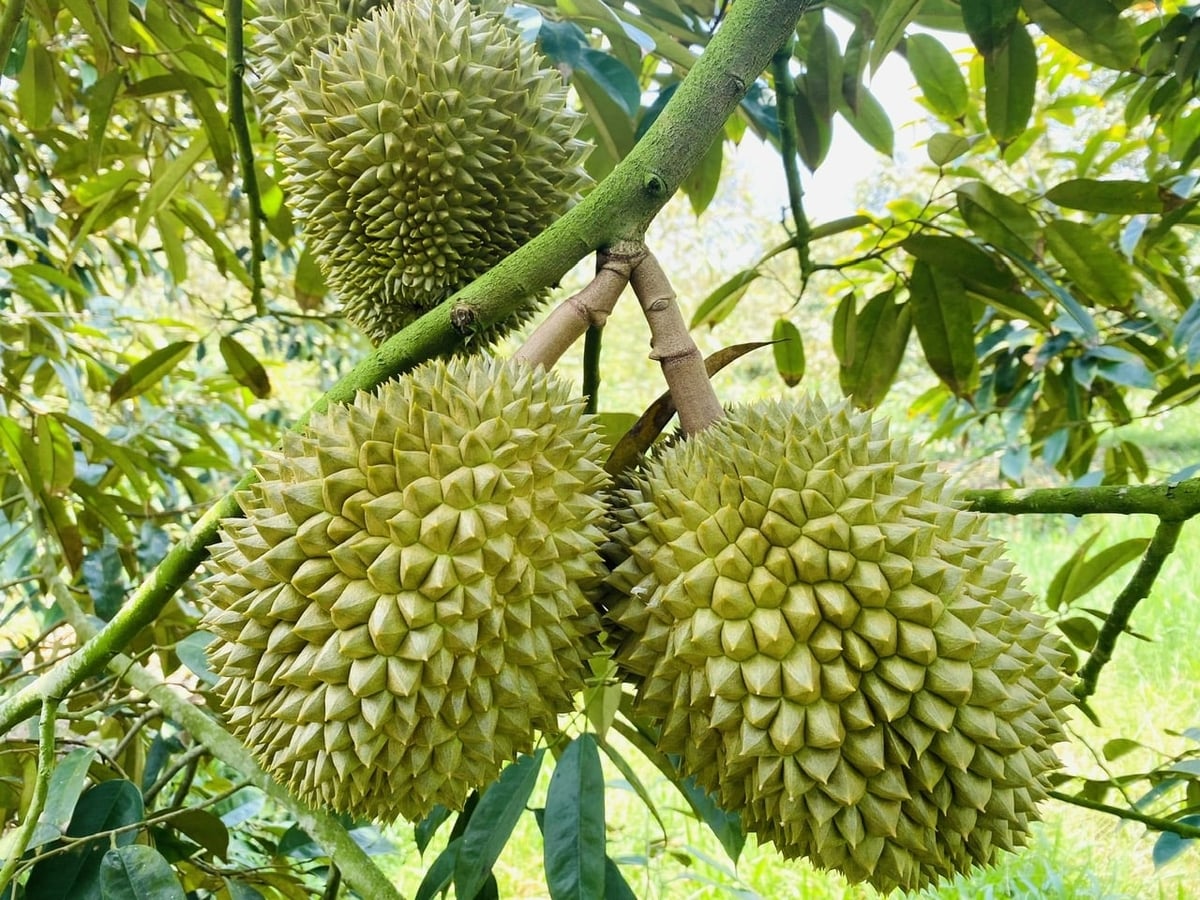
India is expected to officially open its market to Vietnamese durian imports this coming July. Photo: MAE.
Improving logistics connectivity and coordination mechanisms
High logistics costs remain a key reason many Vietnamese agricultural products lose their competitive edge in the Indian market. Therefore, developing a synchronized Viet Nam-India logistics corridor is seen as a breakthrough solution.
This includes launching direct maritime shipping routes and developing bonded warehouses and cold chain systems at major transit hubs, helping reduce transportation time, minimize post-harvest losses, and optimize costs for businesses.
Beyond infrastructure, trade promotion efforts need to be carried out comprehensively, from government agencies and industry associations to businesses themselves. Instead of fragmented trade fairs, Viet Nam should focus on organizing flagship campaigns such as “Viet Nam Goods Week” in major metropolitan and economic centers including New Delhi, Mumbai, Chennai, and Kolkata, while also strengthening direct B2B trade connections and leveraging e-commerce platforms.
Registering and protecting geographical indications in India for specialty products such as Buon Ma Thuot coffee and Binh Phuoc cashews is also considered a necessary step to enhance brand value.
To realize these goals, consideration should be given to establishing an intersectoral working group and promoting public-private partnerships to boost trade in agriculture, forestry, and fisheries, while attracting investment flows and joint ventures between businesses from both countries. Such cooperation would allow both sides to leverage their respective strengths to better access the Indian market and expand exports to third-country markets.
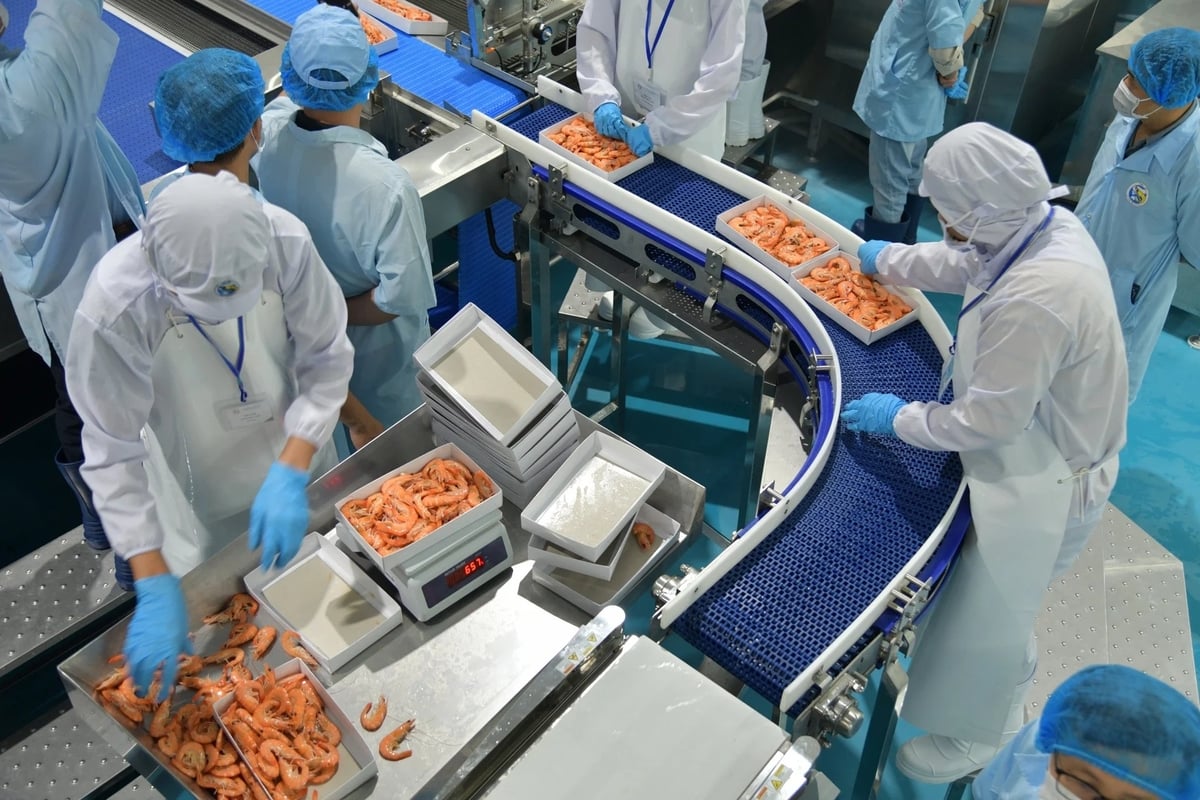
Major Vietnamese enterprises could significantly expand their market share if they invest more heavily in cold chain infrastructure and Halal certification. Photo: Hong Tham.
Promoting trade for strategic agriculture, forestry, and fisheries sectors
The diversity of the Indian market requires Vietnamese businesses to adopt tailored market-entry strategies rather than applying a one-size-fits-all approach across all product categories.
For strategic raw materials such as rubber, coffee, pepper, and cashew nuts, the priority should be to develop direct business relationships with India’s food-processing, beverage, and industrial manufacturers rather than focusing primarily on retail distribution.
Viet Nam should encourage major domestic suppliers with strong production capacity to sign long-term contracts with large Indian partners in order to stabilize market share. At the same time, joint ventures with leading Indian companies should be considered to establish “raw material transit hubs” within India itself, while standardizing cultivation areas in line with FSSAI requirements to minimize the risk of shipments being rejected at ports.
For tropical fruits, the mandatory target segment should be the mid- and high-end market. Given the limitations of cold storage infrastructure in India’s traditional retail channels, Vietnamese enterprises should focus on gaining a foothold in modern supermarket chains such as Reliance Fresh and Nature’s Basket, as well as fresh-food e-commerce platforms such as BigBasket and Amazon Fresh.
On the government side, regulatory agencies need to accelerate market access negotiations with India based on the comparative strengths of both countries.
Meanwhile, businesses must invest more heavily in post-harvest preservation technologies, standardize packaging specifications, and position their brands around the values of “tropical – healthy – high quality.”
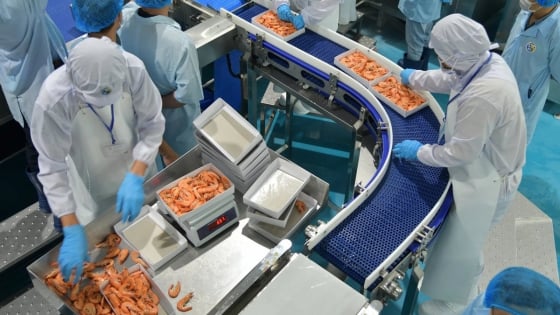
For the seafood sector, priority distribution channels should include the HORECA system (Hotels, Restaurants, and Catering services) in major urban centers, along with modern retail chains. Large Vietnamese enterprises have strong potential to expand their market share if they invest more aggressively in cold chain infrastructure and Halal certification.
For deeply processed and high-potential product groups, including processed foods, vegetarian products, and functional foods, growth opportunities lie within specialized organic retail chains and e-commerce platforms. This is where Vietnamese companies with strong branding and marketing capabilities can fully leverage their advantages.
Vietnamese businesses could also collaborate with leading Indian consumer goods corporations such as Nestlé India, Hindustan Unilever, and Dabur India to co-develop “localized” products or manufacture under OEM/private-label arrangements.
In addition, developing a national brand identity under the concept “Viet Nam Green Food” in India could create a strong, credible platform, aligned with the growing green consumption trend among the country’s rapidly expanding middle class.
Finally, the furniture and wood products sector could expand through B2B distribution channels targeting infrastructure projects, new urban developments, and major furniture retail chains. Strengthening cooperation between Viet Nam’s wood industry associations and major Indian construction contractors, as well as large furniture retailers such as Godrej Interio, Durian Furniture, and Pepperfry, would help Vietnamese businesses secure a stronger foothold in infrastructure and urban housing projects across India’s major economic centers.
The State visit of General Secretary and President To Lam to the India from May 5-7 reaffirmed the determination of both countries to further deepen their Comprehensive Strategic Partnership, strengthen political trust, and promote cooperation in defense and security, economy, trade, and cultural connectivity toward a sustainable future.
Agriculture News | Agri Products Price