

(VAN) Domestic rice prices have swung sharply, dropping during harvest before rebounding quickly, leaving farmers and exporters with mounting challenges.
Do Ha Nam, Chairman of the Viet Nam Food Association (VFA), emphasized the situation of the rice sector at a conference on promoting agricultural, forestry, and fisheries exports in 2026. The Ministry of Agriculture and Environment held the event on May 4.
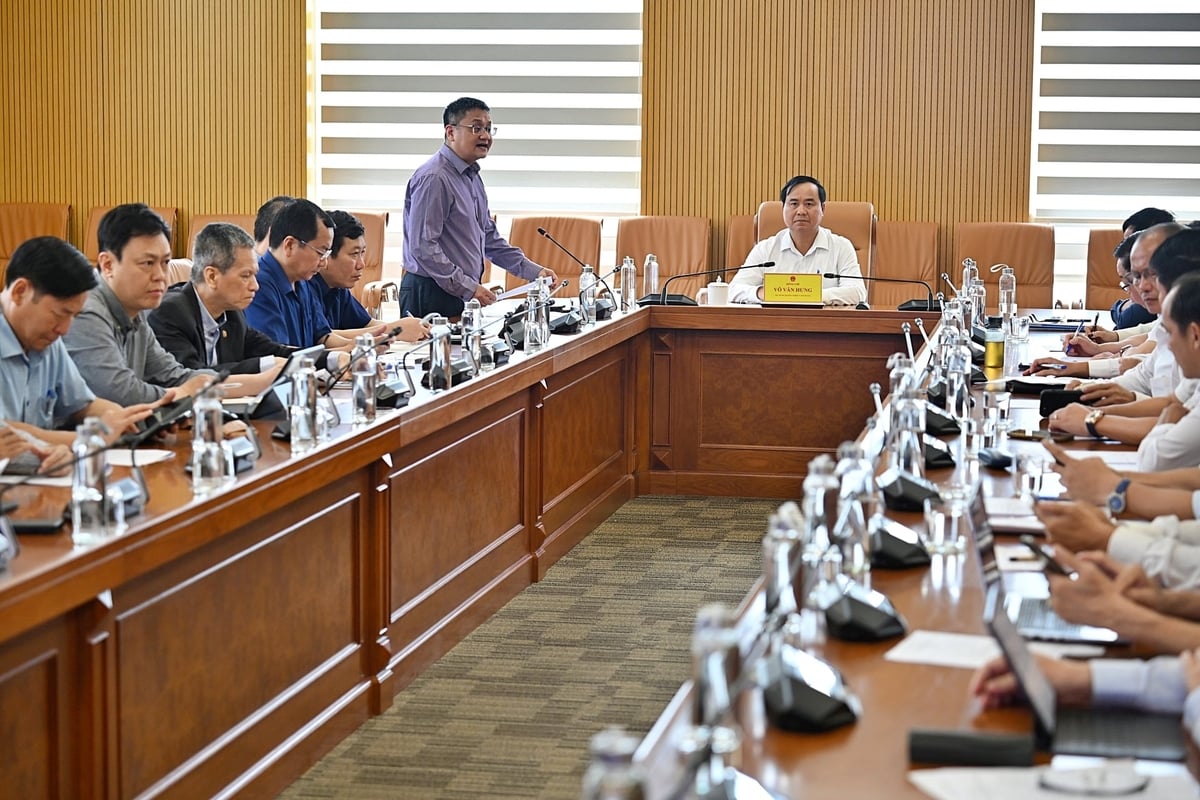
The conference was chaired by Deputy Minister Vo Van Hung. Photo: Bao Thang.
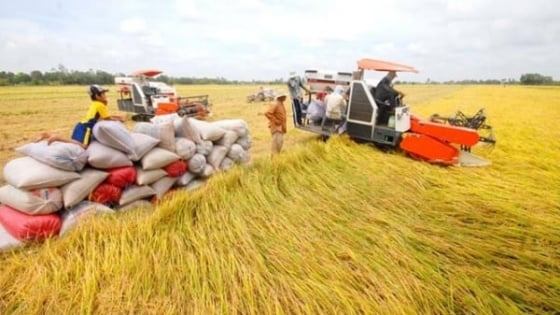
During the recent harvest, paddy prices at one point fell to around VND 5,000 per kilogram, a level that discouraged many farmers from selling. Rice was ripe in the fields, but transactions stalled due to low prices. However, just days later, prices surged again, while available supply had already dwindled.
“There was no rice left to sell,” he said, noting that the fluctuation was closely tied to the Philippines market, which accounts for more than 40% of Viet Nam’s rice exports. In 2025, this country announced a halt in imports for the last four months of the year, leaving Viet Nam with an inventory of over 1 million tons.
After that period, the Philippines resumed purchases of approximately 300,000 tons. This action initially worried Vietnamese exporters, as such a small volume from a key market could constrain demand. In reality, the Philippines’ demand later exceeded expectations, causing the market to reverse rapidly.
This sudden shift has put many businesses in a dilemma. At the start of the harvest, fearing a lack of contracts and facing competition, companies rushed to buy. But when prices increased, previously accumulated stocks became harder to sell, raising costs and squeezing profit margins. “Most businesses have suffered heavy losses,” Nam said, adding that many remain uncertain about future deliveries.
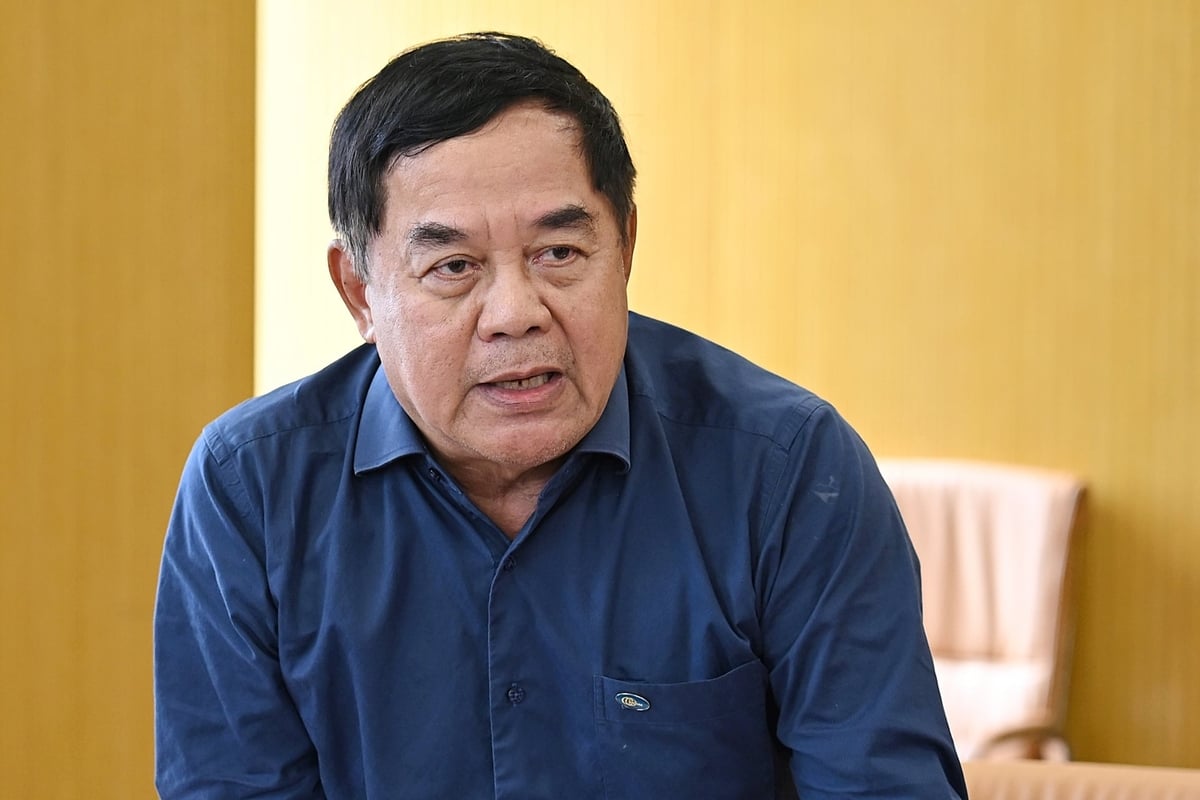
Do Ha Nam, Chairman of the Vietnam Food Association. Photo: Bao Thang.
In the procurement chain, traders play a crucial role by purchasing rice directly from farmers. According to Chairman Nam, this group performs well in collecting supplies but operates largely outside formal management systems.
Traders own storage facilities and can hold stocks, while farmers often lack drying and storage capacity. When prices are low, farmers cannot afford to wait. By the time prices rise, most of the rice has already passed through intermediaries or is no longer easily accessible.
“The core issue is enabling farmers to store rice longer,” the VFA Chairman said. This requires solving bottlenecks in drying and storage. He suggested allowing farmers to access loans using rice as collateral, or letting them store rice in warehouses owned by businesses or exporters.
He compared this to coffee and pepper, where farmers can hold back supply and regulate sales, while businesses mainly provide services. In rice production, farmers lack such capacity and are therefore at a disadvantage in the value chain.
Beyond storage, businesses also face payment challenges when buying directly from farmers. Transactions in rural areas still rely heavily on cash, while financial regulations make it difficult for companies to make direct purchases.
Many farmers are not accustomed to bank transactions. Selling rice only once or twice a year, with relatively modest amounts, they often find opening bank accounts and withdrawing money inconvenient. As a result, businesses continue to rely on intermediaries.
From Chairman Nam’s perspective, unless these bottlenecks are addressed, the rice market will continue to follow the same cycle: farmers struggle to get good prices during harvest, while businesses struggle to secure supply when prices rise.
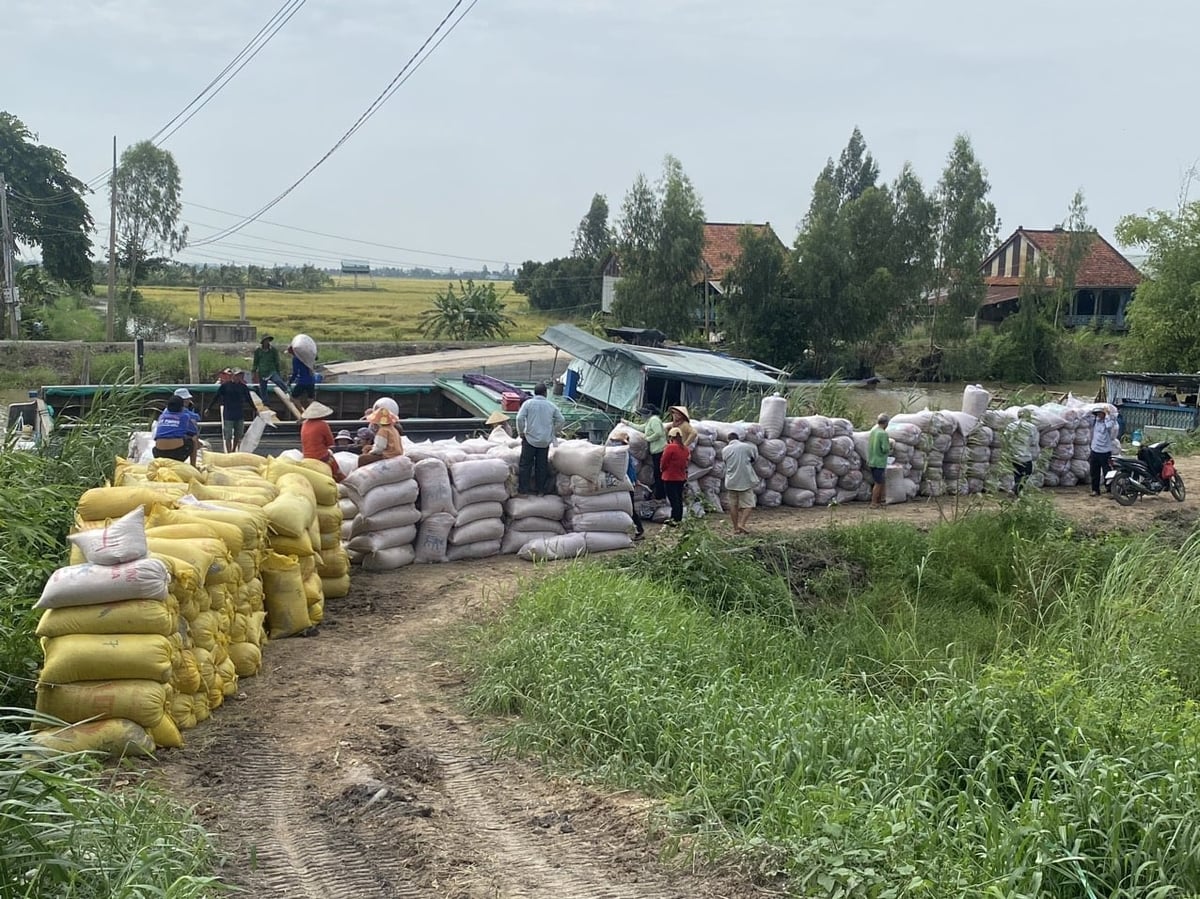
Winter-spring rice fields in Tam Nong commune, Dong Thap. Photo: Trong Trung.
Sharing his view with businesses, Deputy Minister of Agriculture and Environment Vo Van Hung said he had recently worked directly with the Philippines and observed that its demand for imported rice remains strong. Both sides are also promoting long-term cooperation frameworks.
The Philippines plans to send a delegation to Viet Nam soon to discuss strategic cooperation in the rice sector. This indicates continued reliance on Vietnamese supply, especially as domestic production costs remain high and insufficient to meet demand.
However, he emphasized that the issue goes beyond market demand to a strategic approach. “We need to move toward long-term agreements,” he said, stressing that without stable commitments, export management will remain vulnerable to policy shifts from partners.
Regarding the domestic market, the Deputy Minister said authorities are considering proposals to support farmers and businesses, including options for rice consignment and increased storage capacity. He highlighted that reorganizing drying, storage, and post-harvest services is essential to improve market regulation.
Accordingly, investing in drying and storage is not overly complex, but requires coordinated implementation by businesses and stakeholders. “If done well, farmers can store rice longer and reduce pressure to sell immediately after harvest,” he said.
The Ministry of Agriculture and Environment pledged to continue reviewing policies related to exports, production linkages, and rice consumption to address current bottlenecks. During implementation, Vo Van Hung urged localities and businesses to report specific difficulties so that timely adjustments can be made.
Rice market management must also become more flexible, combined with long-term solutions in production organization, value chain linkages, and export market stability, rather than reacting only to short-term fluctuations.
Agriculture News | Agri Products Price