



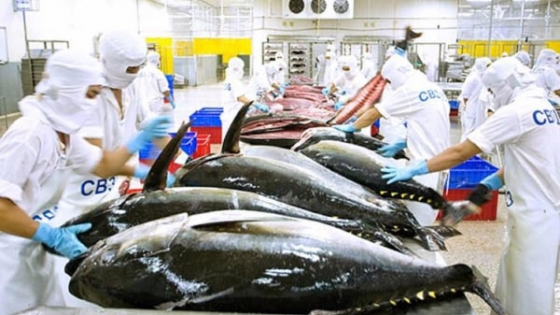
(VAN) Seafood and fruit-vegetable exports surged in early 2026 but still face pressure from market barriers and limitations in production and processing.
Mr. Nguyen Hoai Nam, Secretary General of the Viet Nam Association of Seafood Exporters and Producers (VASEP), made the statement at a conference with industry associations on measures to promote agricultural, forestry, and fishery exports in 2026, organized by the Ministry of Agriculture and Environment on the afternoon of May 4.
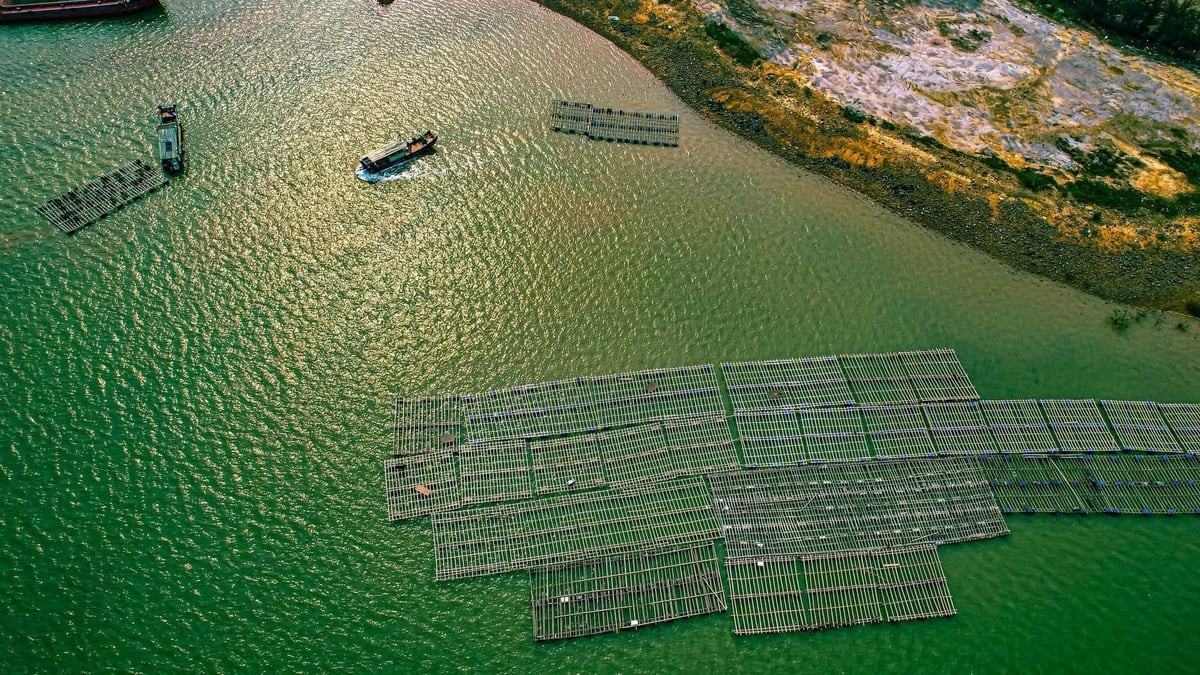
In four months, exports to China and Hong Kong reached over USD 1 billion. Photo: VAN.
According to Mr. Nam, in the first four months of 2026, seafood exports were estimated at nearly USD 4 billion, up more than 14% compared to the same period last year. On this basis, if growth momentum is maintained and current difficulties are resolved, total export turnover for the year could increase by about USD 1 billion compared to the approximately USD 11.3 billion recorded in 2025.
The basis for this forecast is that most product groups recorded growth, although unevenly. In particular, pangasius, one of the key export items, declined by about 6%, while other product groups maintained growth.
By market, many regions continued to expand imports, especially China. In just four months, exports to China and Hong Kong reached over USD 1 billion, a sharp increase compared to the same period last year. In contrast, the United States, Viet Nam’s largest seafood market, declined by about 6% due to policy pressures and trade barriers.
According to Mr. Nam, recently, both the United States and Europe have continuously adjusted regulations related to seafood imports. These changes force Vietnamese enterprises to adapt, creating many implementation difficulties.
In particular, in the U.S. market, the seafood industry is facing investigations related to subsidies, labor and other trade issues. For shrimp, which accounts for a large proportion of total export turnover, these cases create significant pressure on enterprises, from legal costs to the risk of tariffs.
Meanwhile, in Europe, requirements on traceability, environment and social responsibility are becoming increasingly stringent. The continued “yellow card” warning for captured seafood remains a major barrier, requiring enterprises to meet additional procedures and standards.
The VASEP Secretary General analyzed that some partner regulations are applied in a very detailed manner, even including requirements that are difficult to implement in practice, such as controlling small discrepancies in volume during transportation and delivery. These issues are increasing costs and reducing enterprises’ competitiveness.
In addition to external barriers, domestic enterprises also face pressure from compliance costs. According to seafood businesses, many processing plants located in industrial zones still have to invest in their own treatment systems before connecting to centralized systems, which increases production costs.
The association believes that to achieve export growth targets, it is necessary to continue improving the business environment, reducing compliance costs, and promptly addressing obstacles arising during implementation.
At the same time, strengthening dialogue between management agencies and enterprises is also proposed to quickly update changes from international markets and develop appropriate solutions. Mr. Nam emphasized that in the context of increasing trade barriers, proactive response and coordination among stakeholders are key to maintaining industry growth.
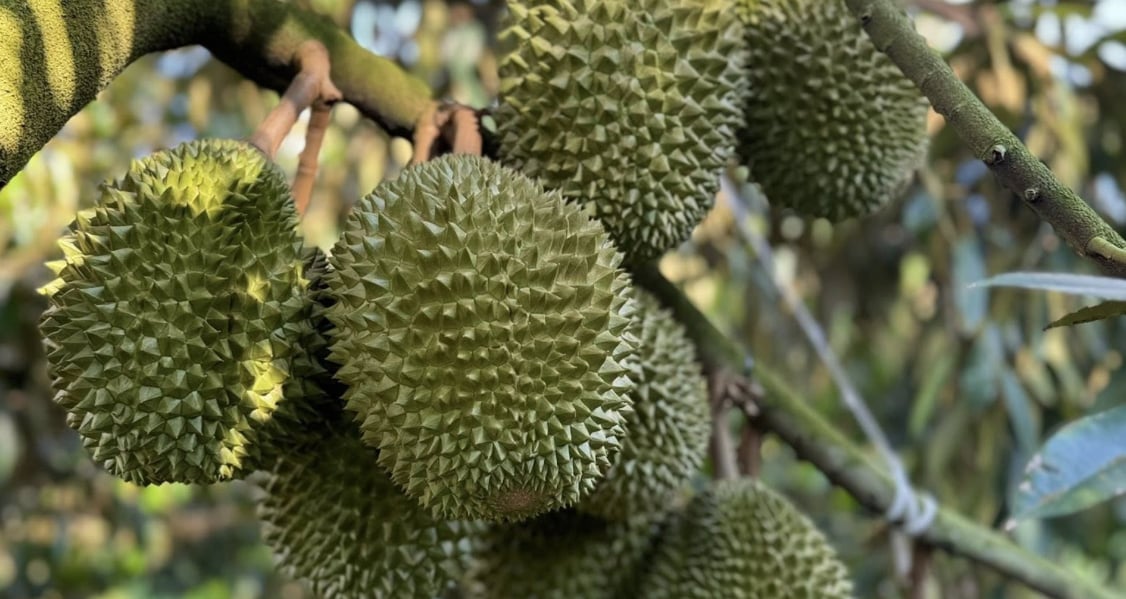
Seafood and produce exports eye USD 2 billion boost in 2026. Photo: VAN.
Adding a positive note to the overall picture of agricultural exports, Mr. Dinh Cao Khue, Vice Chairman of the Viet Nam Fruit and Vegetable Association, said that in the first four months of 2026, export turnover exceeded USD 2.6 billion, up about 22% compared to the same period last year.
The association believes that if the current growth momentum is maintained, fruit and vegetable exports for the whole year could reach about USD 9.5 billion, nearly USD 1 billion higher than last year. “Current market trends are quite favorable, and prices are relatively stable,” Mr. Khue said.
In the product structure, fruits continue to play a leading role, with durian standing out with very high growth of about 170% year over year. Market expansion, along with coordination between domestic agencies and international partners, is considered an important factor supporting this growth.
According to Mr. Khue, export markets for fruits and vegetables are not overly complex as long as product quality is ensured. Major markets such as the United States and Europe continue to maintain demand, while many other markets are expanding imports. He emphasized that the key factor remains product quality and the ability to meet standards.
In addition, the fruit and vegetable sector has also seen improvements in plant varieties. Some products that previously relied on imports, such as bananas and pineapples, can now be produced domestically with greater adaptability, thereby boosting productivity and efficiency.
Despite positive growth prospects, the association noted that the sector still needs to improve the production-consumption chain, particularly in processing and raw-material linkages. According to Mr. Khue, if these issues are addressed, fruit and vegetable exports can maintain stable growth in the coming years.
In 2025, both seafood and fruit-vegetable exports recorded strong growth, creating a foundation for expansion in 2026. Seafood exports reached about USD 11.3 billion, with shrimp and pangasius remaining key products, while fruit and vegetable exports reached about USD 8.56 billion, led by fruits such as durian, banana and pineapple.
The agricultural sector has set an export target of USD 73–74 billion in 2026, with China, the United States and the EU continuing to be key markets.
Agriculture News | Agri Products Price