

(VAN) Linking raw material areas with sustainable consumption markets will help Can Tho’s fruit industry avoid imbalances between production and market demand.
Developing production areas alongside value-chain linkages
In recent years, Can Tho’s fruit sector has recorded significant progress. The city now has more than 100,000 hectares of fruit orchards, forming numerous concentrated production areas that serve both domestic and export markets. Key fruit crops such as durian, mango, longan, pomelo, and lime are gradually strengthening the city’s market positions.
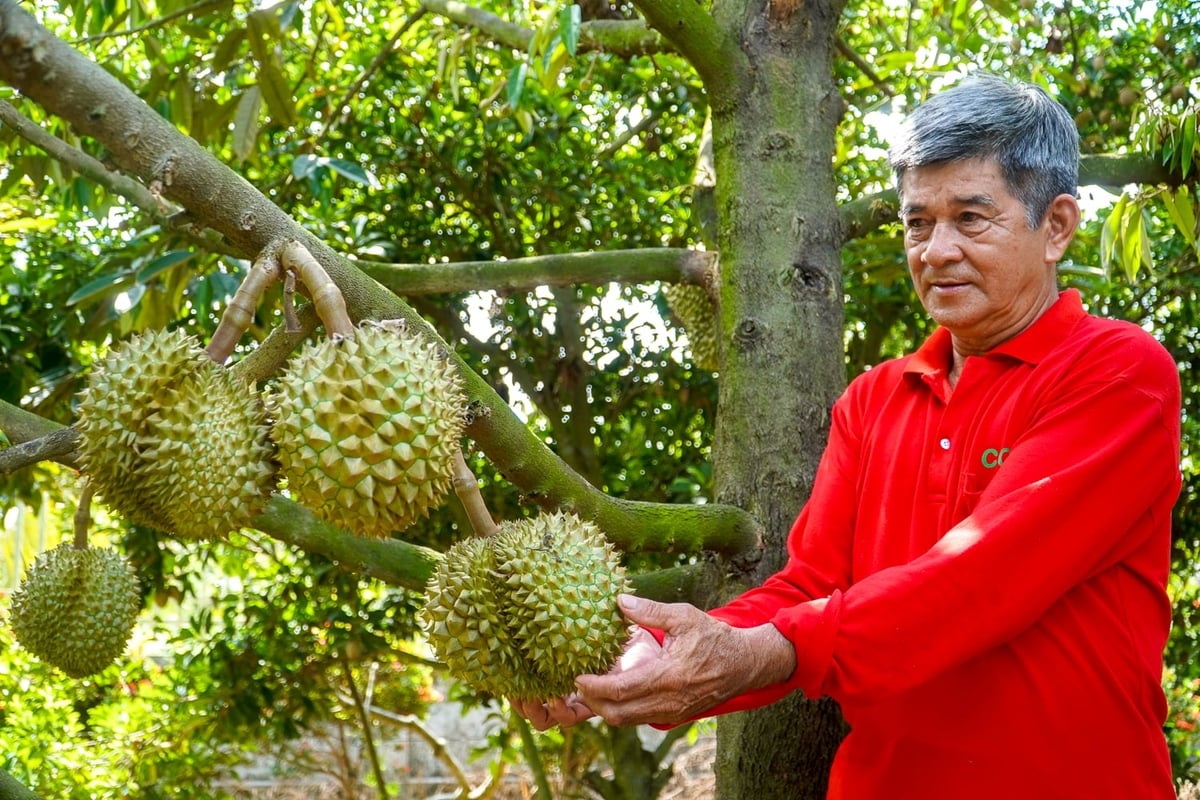
Fruit production is a key sector contributing to Can Tho’s goal of increasing added value and promoting sustainable agricultural development. Photo: Kim Anh.
Alongside area expansion, the development of standardized production zones has become a priority for Can Tho’s agricultural sector. To date, the city’s Plant Production and Protection Sub-Department has issued 657 growing area codes and 45 packing facility codes. The goal is to facilitate exports to various international markets.
Growing area codes serve not only as “passports” that enable fruit to access export markets but also as important tools for monitoring production processes, ensuring traceability, and guaranteeing food safety. Packing facility codes play a critical role in quality control at the final stage before export. Together, these two components ensure that fruit is processed, graded, and packed in accordance with technical standards while complying with phytosanitary requirements in importing markets.
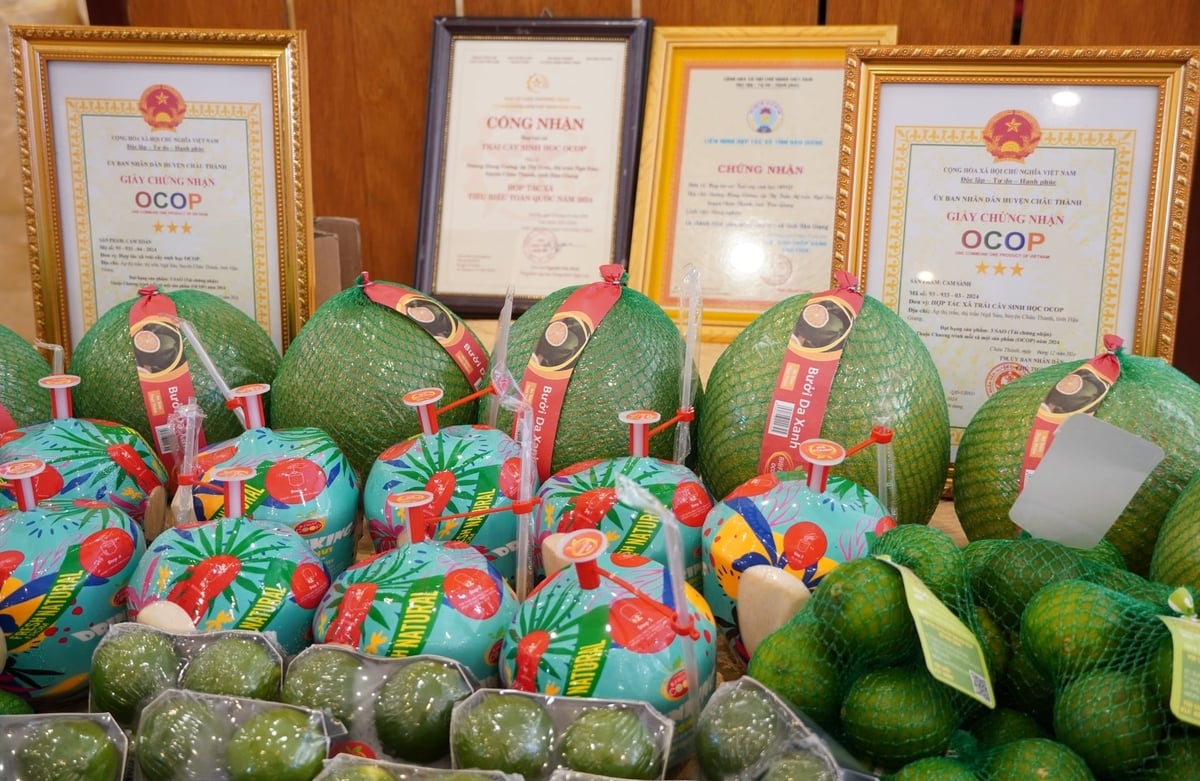
Can Tho’s fruit products hold strong export potential. Photo: Kim Anh.
Statistics show that Can Tho’s packing capacity for many fruit products is sufficient to meet export demand. To be more specific, mango packing capacity is approximately 17,700 tons per year, exceeding the output from registered growing areas by around 2,400 tons annually. As for pomelo and lime, packing capacity significantly surpasses the volume produced from coded growing areas, reaching 80,000 tons and 47,000 tons per year, respectively.
Durian acreage has expanded rapidly in recent years. While registered growing areas currently produce around 59,700 tons annually, local packing facilities can only handle nearly 38% of that volume. In a similar situation, packing capacity for longan currently meets only about 78% of the output from registered growing areas.
These figures highlight the need to develop fruit-growing regions in parallel with investments in packing facilities, logistics infrastructure, and sustainable marketing linkages in order to avoid overheated growth and imbalances between production and market demand.
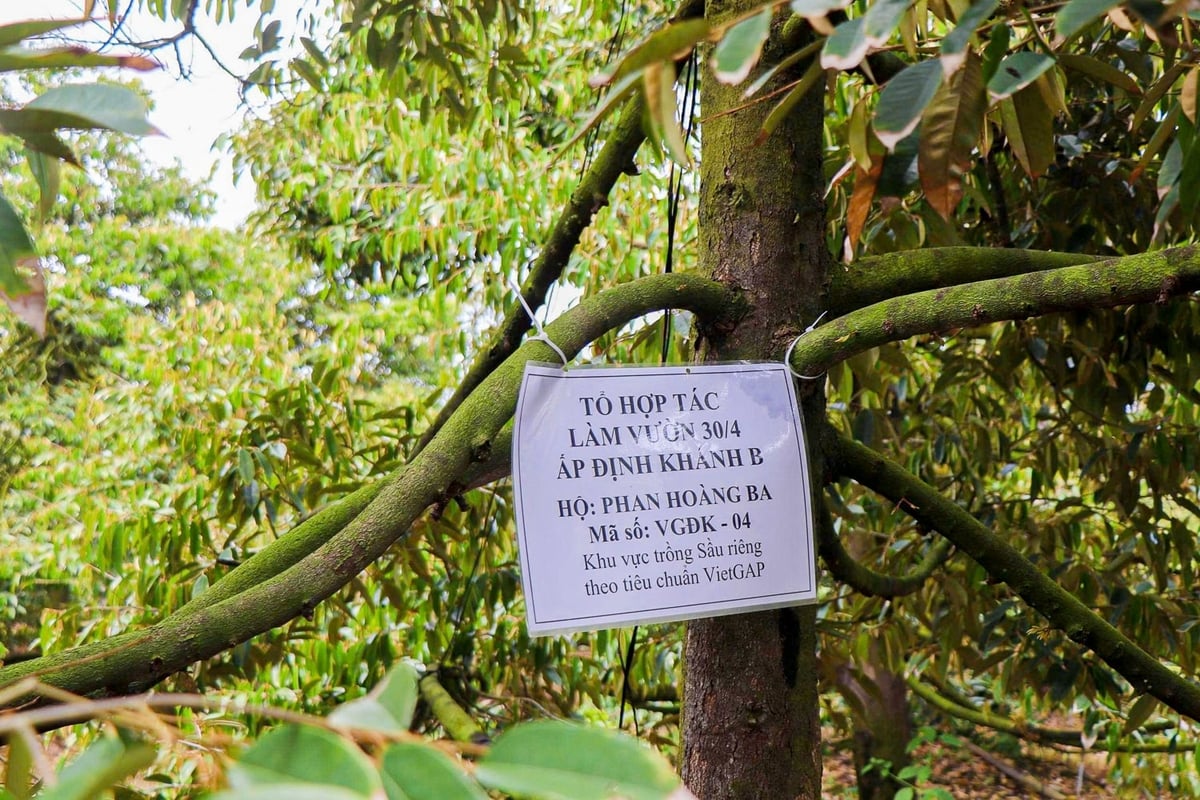
Growing area codes are essential tools for controlling production processes, ensuring traceability, and maintaining food safety standards. Photo: Kim Anh.
At the workshop on “Orientations for Managing and Developing Fruit Production and Marketing Areas According to Market Requirements” held on June 9, Nguyen Thi Giang, Deputy Director of the Can Tho Department of Agriculture and Environment, said that the city’s fruit industry is facing growing challenges as importing markets impose increasingly stringent requirements on quality, food safety, traceability, and phytosanitary standards.
In particular, Government Decree No. 38/2026/ND-CP on the management of growing area codes and packing facility codes has established an important legal framework. The policy sets higher standards for production organization, quality monitoring, and the responsibilities of stakeholders participating in value chains.
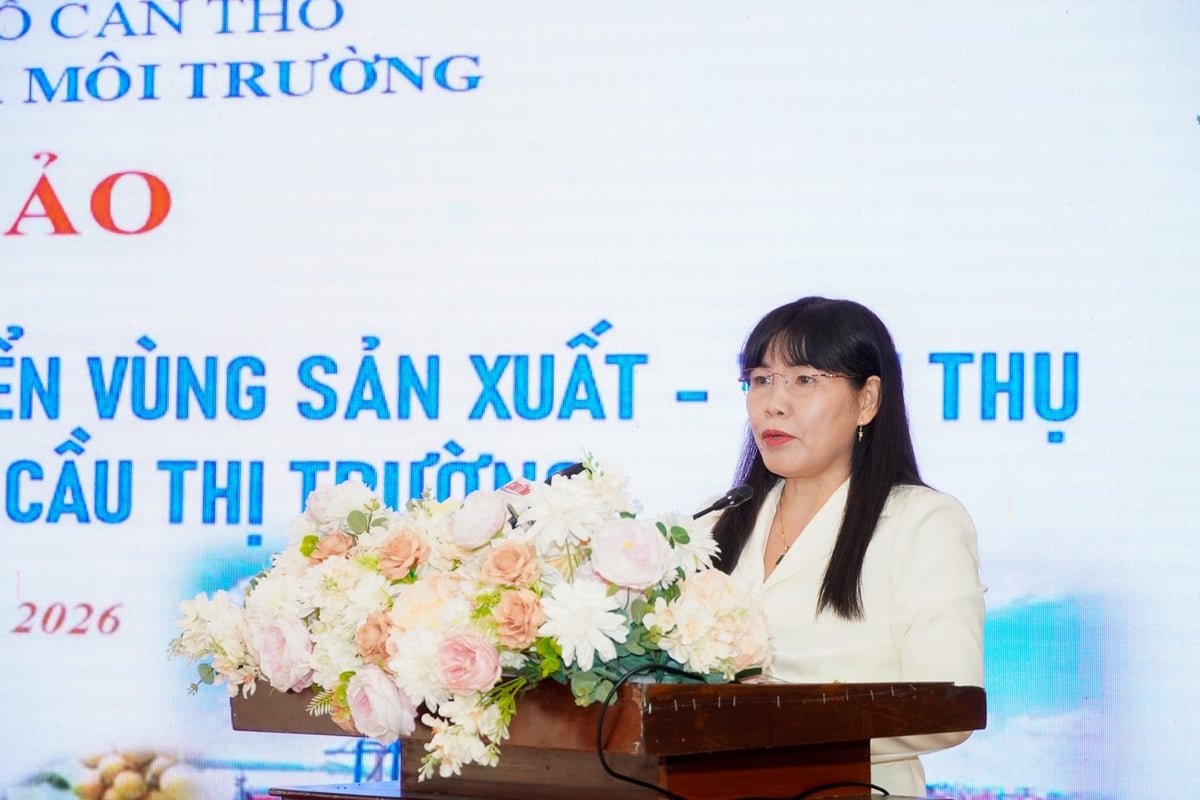
Nguyen Thi Giang, Deputy Director of the Can Tho Department of Agriculture and Environment. Photo: Kim Anh.
Production-consumption linkages are the only sustainable path forward
Fruit growers frequently face the problem of “bumper harvests, low prices”. Fragmented production and weak linkages are the main reasons that make quality control, traceability, and market organization extremely difficult.
Recognizing this challenge, the Can Tho Department of Agriculture and Environment has actively promoted linkages among farmers, cooperatives, and enterprises. Since the beginning of the year, the city has established 99 production-consumption partnerships covering nearly 872 hectares and generating more than 19,300 tons of fruit output.
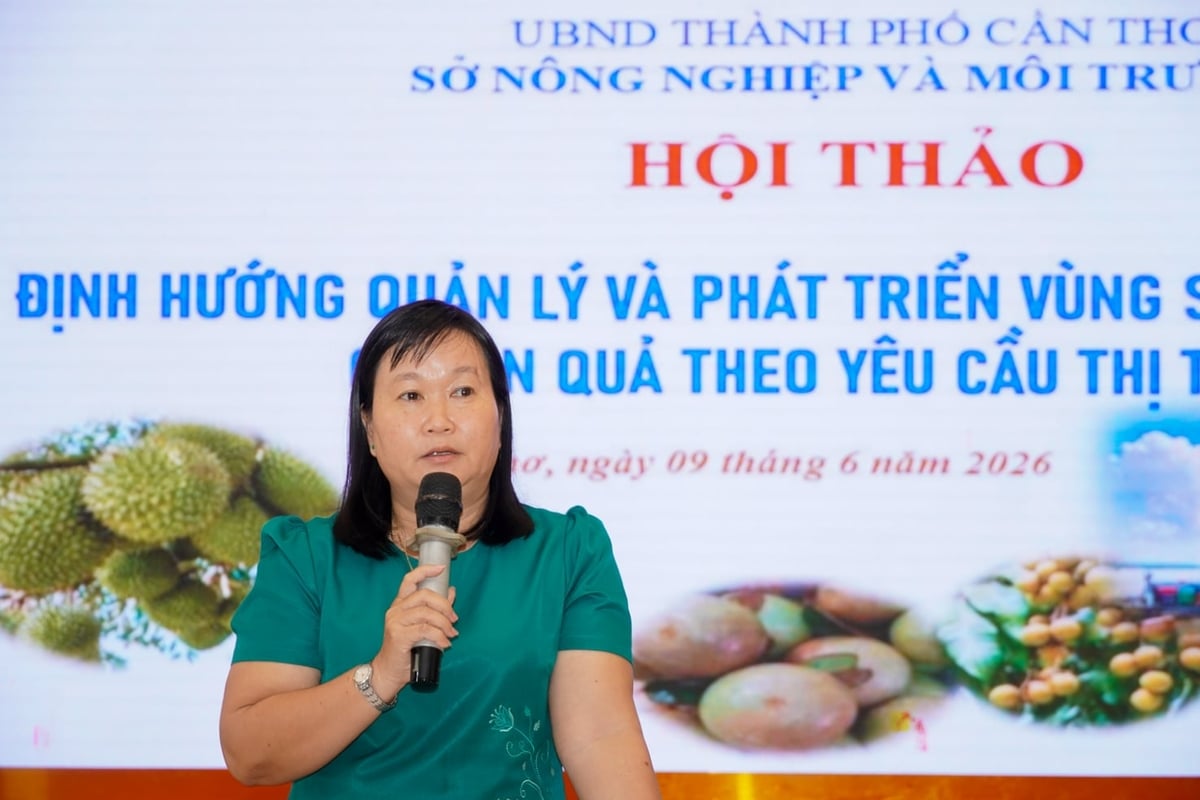
Pham Thi Minh Hieu, Director of the Can Tho Plant Production and Protection Sub-Department, addresses questions related to the fruit sector’s activities. Photo: Kim Anh.
Durian and longan have emerged as the two fruit sectors with the largest number of linkage models. Durian accounts for 24 partnerships, covering more than 421 hectares and producing nearly 9,300 tons, while longan has recorded 57 partnerships across more than 238 hectares with output approaching 4,800 tons.
These linkage models not only provide enterprises with stable raw material supplies but also secure reliable market outlets for farmers. Growers receive guidance on standardized production methods, technical support, agricultural inputs, and access to market information.
Nhon Nghia Longan Cooperative in Nhon Ai commune is a prime example, where members strictly follow VietGAP standards, maintain production records, and preserve growing area codes. This has enabled exports to demanding markets such as the United States, Japan, Australia, and China. The cooperative consistently sells longan at prices over VND 10,000 per kilogram, higher than prevailing market rates.
Similarly, Truong Khuong A Fruit Cooperative in Truong Long commune has proactively shifted to safer cultivation practices, tightened control over agricultural inputs, and minimized the use of chemicals that could lead to heavy metal residues. As a result, the cooperative’s durian has met testing requirements for many consecutive years, strengthening buyer confidence.
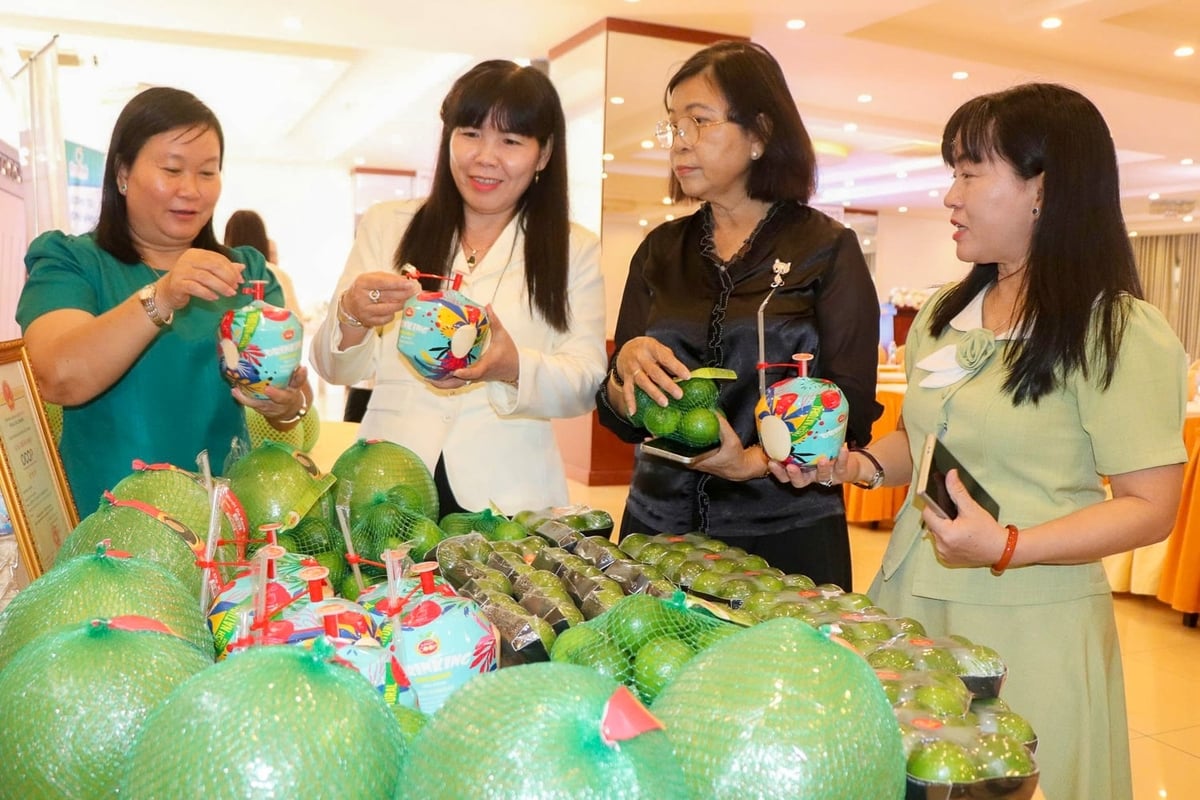
Developing concentrated, safe, and sustainable fruit-growing areas linked to marketing and exports is a key priority for Can Tho’s agricultural sector in the coming years. Photo: Kim Anh.
Several enterprises involved in fruit procurement partnerships with cooperatives in Can Tho believe that, as technical barriers continue to increase, the coordinated development of growing area codes, packing facility codes, and production-consumption linkages is not only a market requirement but also an essential pathway for improving competitiveness.
The cooperation of government agencies, businesses, cooperatives, scientists, and farmers will provide the foundation for building high-quality fruit-growing regions that meet export standards, increase product value, and support the long-term sustainable development of Can Tho’s fruit industry.
*USD 1 = VND 26,410. Source: Vietcombank.
Agriculture News | Agri Products Price