


(VAN) The pangasius sector in the Mekong Delta faces significant losses along its value chain, requiring a shift toward improving quality, deep processing, and reducing waste.
Significant losses in the value chain affecting competitiveness
On May 5, in Long Xuyen Ward (An Giang Province), the Institute of Agricultural Policy and Health Research under the University of Economics Ho Chi Minh City held a workshop to present results of the research project “Food loss in the catfish (pangasius) value chain in the Mekong River basin” and consult stakeholders to propose key solutions for sustainable development of the pangasius sector in the Mekong Delta.
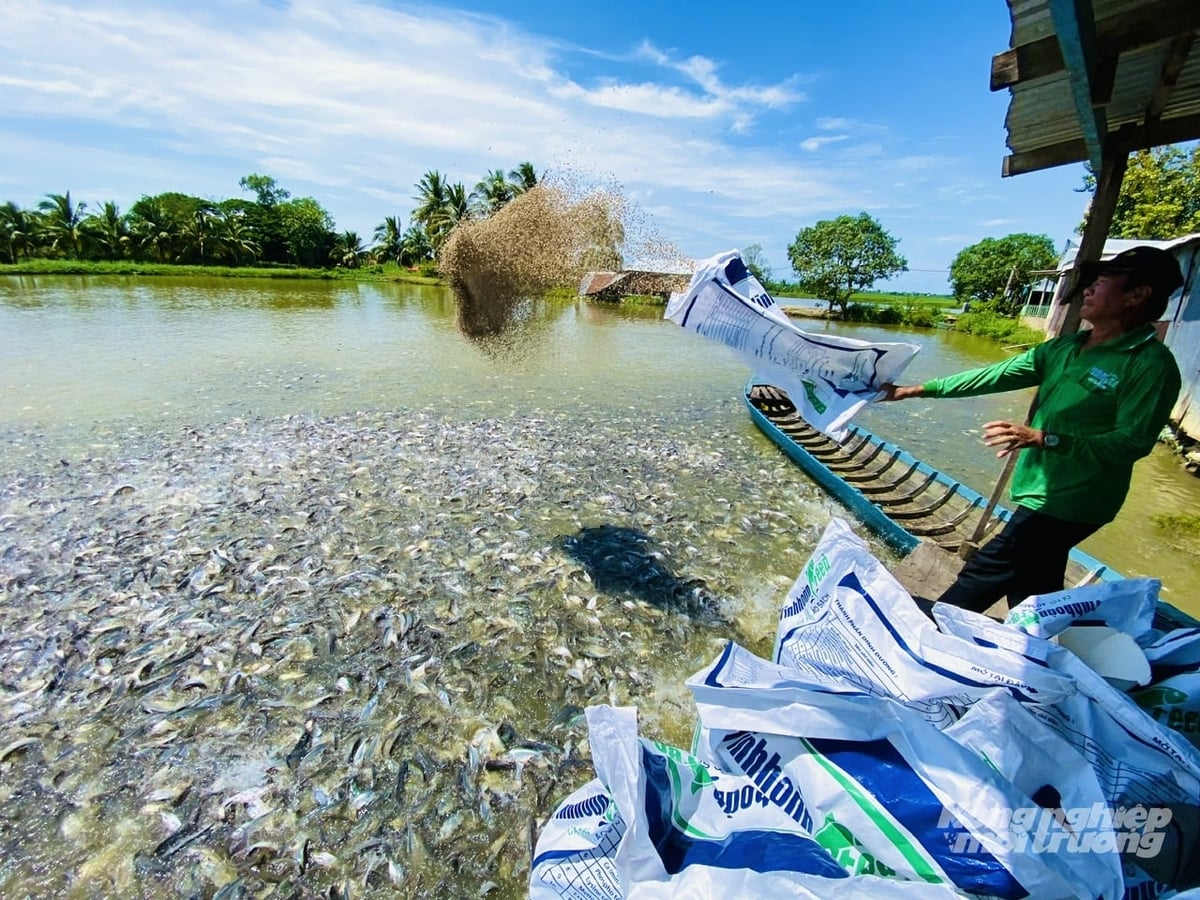
Pangasius farmers feed fish at ponds in the Mekong Delta, a stage prone to losses if not managed effectively. Photo: Le Hoang Vu.
Associate Professor, Dr. Vo Tat Thang, Director of the Institute of Agricultural Policy and Health Research, University of Economics Ho Chi Minh City, and project leader, said the research project is funded by the Australian Government through the Australian Centre for International Agricultural Research (ACIAR), with support from Canada’s International Development Research Centre (IDRC), and participation from research partners, management agencies, enterprises and practitioner communities in the pangasius sector in the Mekong Delta.
According to Dr. Vo Tat Thang, pangasius is one of Viet Nam’s strategic seafood sectors, especially in the Mekong Delta. It not only contributes significantly to exports, employment, and livelihoods for tens of thousands of households, but also serves as an important “link” in the Mekong regional food system. However, alongside major achievements, the sector is facing multiple challenges, including price volatility, pressure from international standards, rising input costs, disease risks, climate change, traceability requirements, green development demands, and, particularly, losses and waste throughout the value chain.
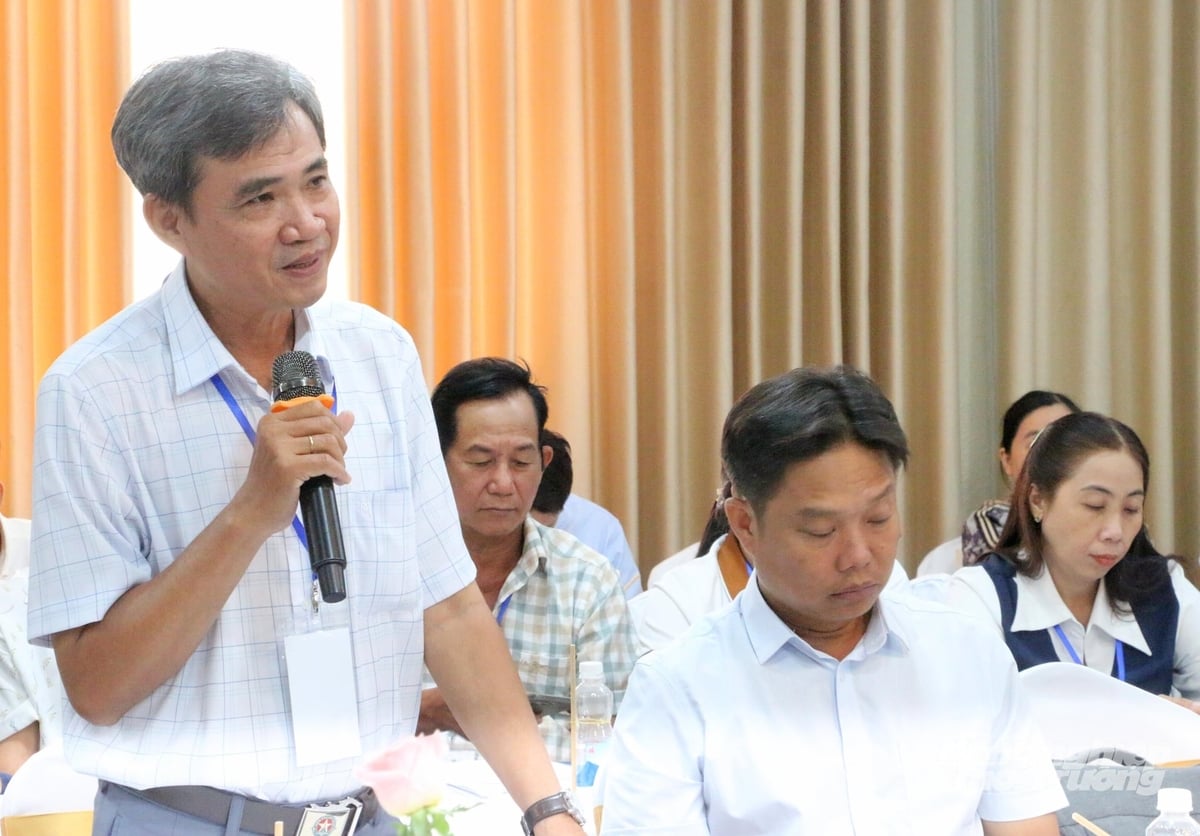
Mr. Nguyen Hoang Huy, Deputy Head of the Sub-Department of Fisheries and Fisheries Surveillance of An Giang Province, speaks at the workshop. Photo: Le Hoang Vu.
Dr. Thang noted that, for many years, improving efficiency in the pangasius sector has focused mainly on output, productivity, export markets, and prices. While these are important, losses across the entire value chain, from seed production, farming, harvesting, transportation, processing, to distribution, have received less attention, despite directly affecting competitiveness and profitability for farmers and exporters.
Using an integrated approach, initial results from the research project show that losses occur at multiple stages, each with distinct characteristics. At the production stage, technical efficiency remains low, and actual losses during farming can reach 30–50%. Environmental challenges are particularly severe, as the combined effects of low pH and high salinity can lead to fish mortality rates of up to 80%. Bacterial diseases also cause significant economic losses for farmers.
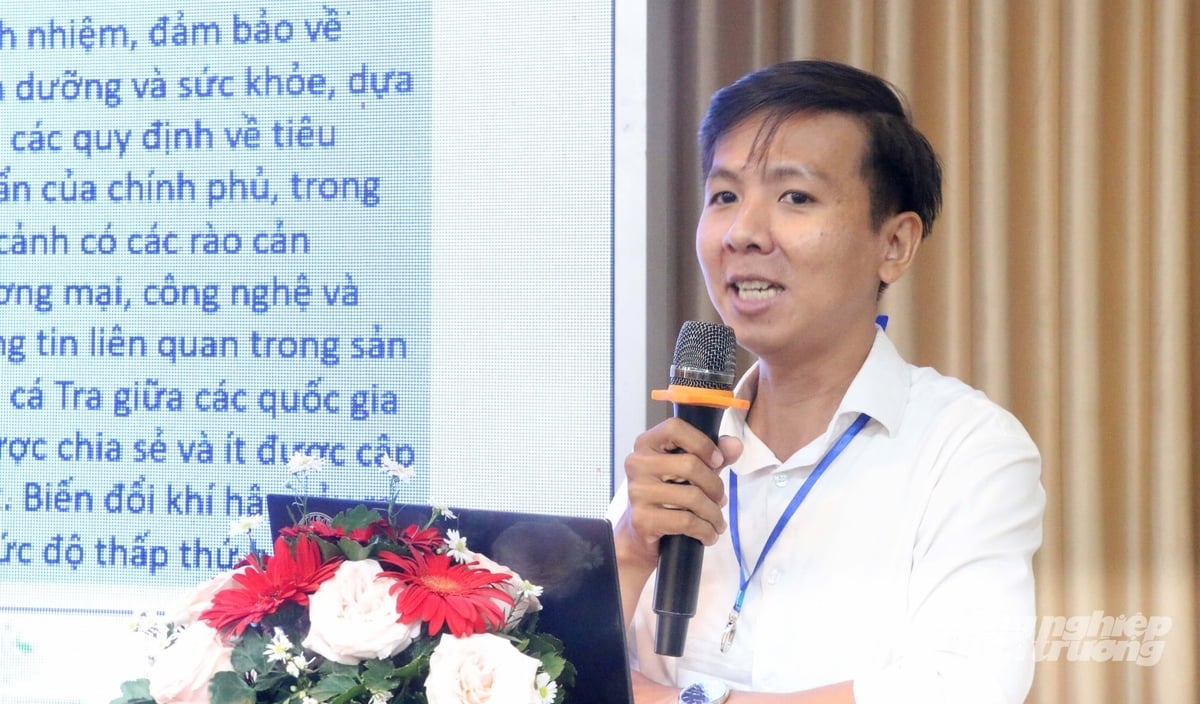
Master Vo Van Oc, Climate Change Institute, An Giang University – Vietnam National University Ho Chi Minh City, speaks at the workshop. Photo: Le Hoang Vu.
Shifting to deep processing and circular economy value creation
Processing is the stage with the greatest losses. This is not only about raw material loss (commercial pangasius), but also about value addition, by-product utilization, quality standards, and the ability to shift from a low-cost competition model to a higher value-creation model.
Agreeing with this assessment, Master Trinh Thi Lan from the Fisheries Department of An Giang University (Viet Nam National University Ho Chi Minh City), project coordinator in Viet Nam, affirmed that the project, approved by the Ministry of Education and Training, aims to raise awareness of food loss and waste, thereby attracting private sector investment in reducing food loss in the pangasius sector in the Mekong River basin. The project is implemented over three years, from April 1, 2023, to June 30, 2026.
The project is expected to deliver practical benefits to stakeholders, including the pangasius industry, farmers, and associations. By identifying food loss and waste in the value chain, farmers and participants can develop solutions to increase productivity and output while minimizing post-harvest losses, thereby improving the competitiveness of Viet Nam’s pangasius value chain.
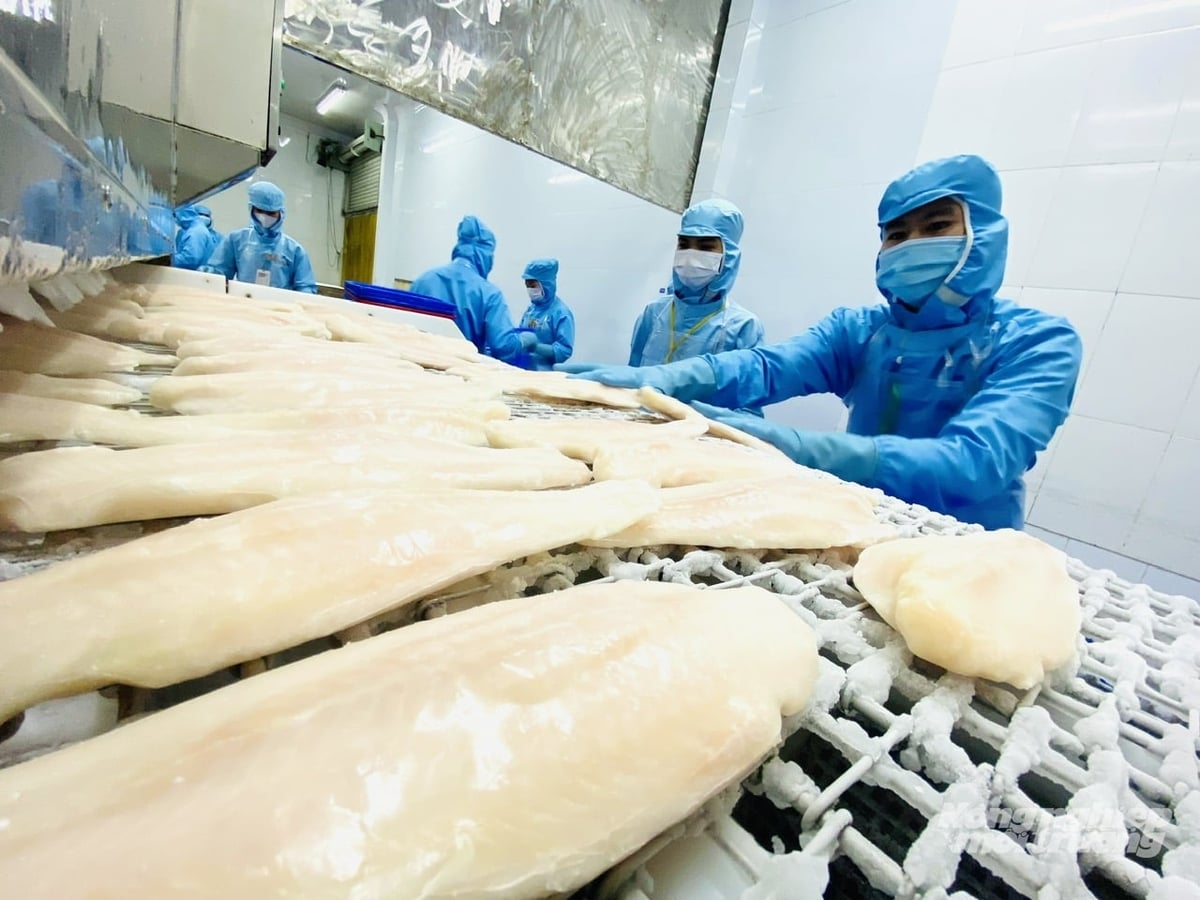
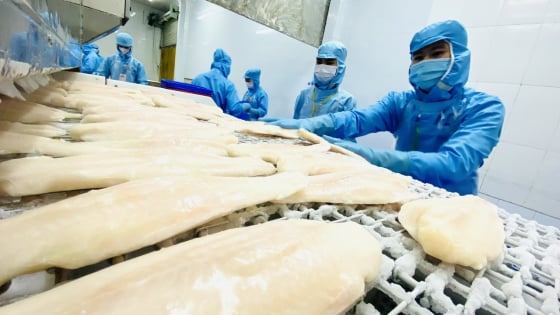
Workers process pangasius fillets at a factory, a key stage that determines product quality and value addition. Photo: Le Hoang Vu.
Providing feedback at the workshop, Dr. Nguyen Van Nguyen, Director of the Apotec Center under the Research Institute for Aquaculture No. 2, said Viet Nam’s pangasius sector has grown significantly over the past two decades and has become a key export industry. In 2025, pangasius farming area reached about 5,500 hectares, with production of around 1.74 million tons and export value exceeding USD 2.2 billion, reaffirming its important role in Viet Nam’s freshwater aquaculture.
However, rapid growth has also generated a large volume of processing by-products. With over 1 million tons of raw fish annually, by-products are estimated at 700,000–900,000 tons. If properly utilized, this represents a highly valuable resource.
To enhance pangasius’s value, Dr. Nguyen Van Nguyen emphasized the need to promote the application of science and technology in deep processing and modern preservation. At the same time, attention should be paid to developing a skilled next-generation workforce to ensure the sector’s long-term sustainability and growth.
Agriculture News | Agri Products Price