

(VAN) Viet Nam has strong potential to increase exports of key products to India, including rubber, wood and wood products, pepper, coffee, seafood, and cashew nuts.
Editor’s note: The state-level visit of General Secretary and President To Lam to India and Sri Lanka (May 5-7) strengthens ties between two of Asia’s most dynamic developing economies. Amid the ongoing restructuring of global supply chains and steadily rising consumer demand in major markets, India is gradually emerging as a long-term strategic pillar for Viet Nam’s exports of agricultural, forestry, and fishery products.
India in the market expansion strategy
India’s agricultural, forestry, and fishery (AFF) market is emerging as a strategic destination with vast scale and rapid growth, attracting increasing attention from exporting countries, including Viet Nam. With a population of around 1.45 billion, nearly 18% of the global total, India is not only a massive consumer market but also an economy sustaining steady annual growth of 6-7%.
India’s food consumption market is estimated at about USD 452 billion in 2025 and is projected to reach USD 563 billion by 2030.
Despite having a highly self-sufficient agricultural sector, India continues to import a significant volume of AFF products, totaling approximately USD 34.4 billion annually. Its import structure spans a wide range of product groups, including vegetable oils, grains and seeds, spices, fruits, rubber, processed seafood, wood products, and handicrafts. These sectors in which Viet Nam holds clear competitive advantages.
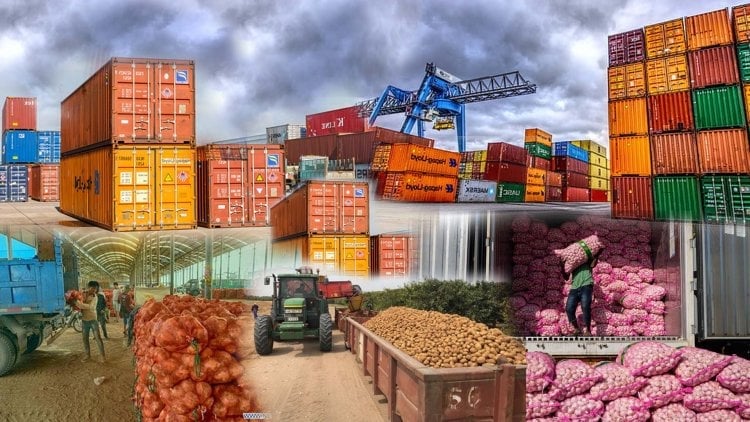
India’s import structure spans a wide range of product groups, including vegetable oils, grains and seeds, spices, fruits, rubber, processed seafood, wood products, and handicrafts. Photo: ICFA.
India’s market features distinct consumption characteristics. Religious factors strongly influence consumer behavior, with around 38% of the population following a vegetarian diet, driving high demand for grains, vegetables, and fruits, while meat consumption remains relatively limited. Indian tastes also favor heavily spiced dishes, sweeter foods, and products suited to tea-drinking habits.
Notably, after the COVID-19 pandemic, demand for immunity-boosting products such as ginger, garlic, turmeric, papaya, and oranges has risen sharply. At the same time, high-value agricultural products and organic goods are becoming increasingly popular, reflecting modern consumption trends and growing health awareness among the urban middle class.
Another key feature is India’s multi-layered distribution system. Around 80% of goods are still sold through traditional channels, while modern retail and e-commerce are expanding, creating more effective market entry opportunities for exporters.
Regional differences are also pronounced: western regions such as Mumbai and Gujarat serve as major trade and import hubs; southern cities like Chennai and Bangalore exhibit high levels of modern consumption; while the north, with Delhi, represents a large-scale consumer center. This diversity requires region-specific strategies rather than a one-size-fits-all approach for the entire market.
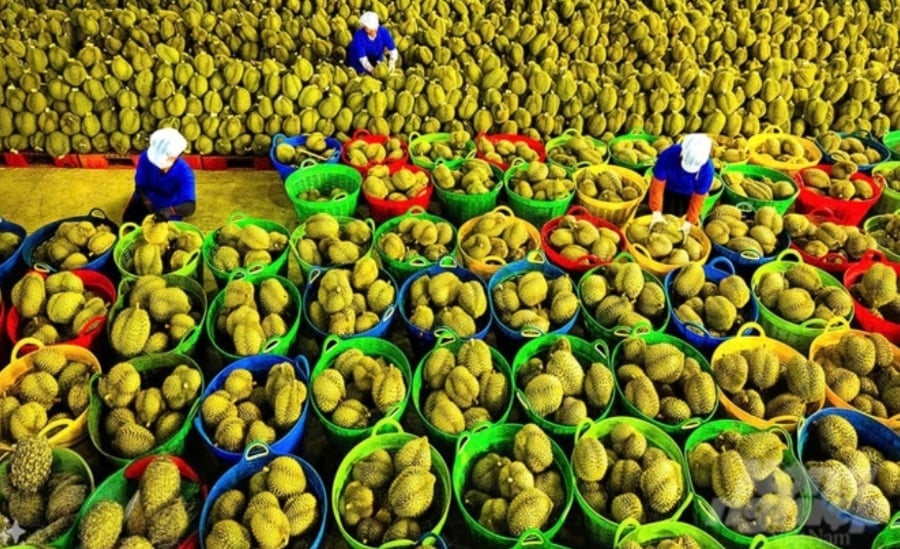
Viet Nam has strong competitive capacity in supplying products that are in high demand in the import market of India. Photo: Vinafruit.
Positioning Vietnamese agricultural products
Despite strong potential, Viet Nam’s exports of AFF products to India remain modest, under USD 500 million in 2025, accounting for just 1.4% of the country’s total AFF imports.
Viet Nam’s key export items to India currently include rubber, wood and wood products, pepper, animal feed, rattan and bamboo products, coffee, seafood, and cashew nuts. However, their scale remains limited relative to the size of India’s market demand.
Against this backdrop, there is substantial room to expand Viet Nam’s AFF exports to India. India’s import structure is highly compatible with Viet Nam’s comparative advantages. Viet Nam is particularly competitive in products such as cashew nuts, spices, rubber, fruits, seafood, and wood products. Notably, rising consumer demand in India for organic goods, specialty products, processed foods, and certified-quality items is opening up opportunities for Viet Nam’s OCOP products and high-value agricultural goods to penetrate deeper into mid- and high-end market segments.
In addition, Viet Nam’s agricultural sector benefits from competitive production costs, stable supply, and extensive experience in global value chains, with exports reaching more than 200 markets. Geographic proximity also helps optimize logistics costs and delivery times.
To effectively tap into the Indian market, Viet Nam’s AFF exports need to strengthen linkages with large-scale food processing enterprises to supply raw materials for the mass market, while also connecting with modern distribution channels to deliver high-quality finished products to premium segments.
Seizing these opportunities will contribute to market diversification, enhance value addition, and reinforce the position of Vietnamese agricultural products on the global trade map.
India is one of the first three countries with which Viet Nam established a Comprehensive Strategic Partnership in 2016. After a decade, bilateral cooperation has achieved significant results and still holds substantial untapped potential.
Agriculture News | Agri Products Price