


(VAN) The Agriculture and Environment sector sets a target of $73-74 billion in agro-forestry-fishery export turnover by 2026, driven by production restructuring, market expansion, and green transformation.
At the Ministry of Agriculture and Environment’s regular press briefing on the afternoon of January 6, Deputy Minister Phung Duc Tien stated that, building on the achievements of 2025, 2026 has been identified as a pivotal year for implementing the development goals for the 2026-2030 period. Accordingly, the target for agricultural, forestry and fishery export turnover has been set at USD 73-74 billion, requiring the entire sector to remain steadfast in its market-opening orientation and to further promote effective and sustainable exports.
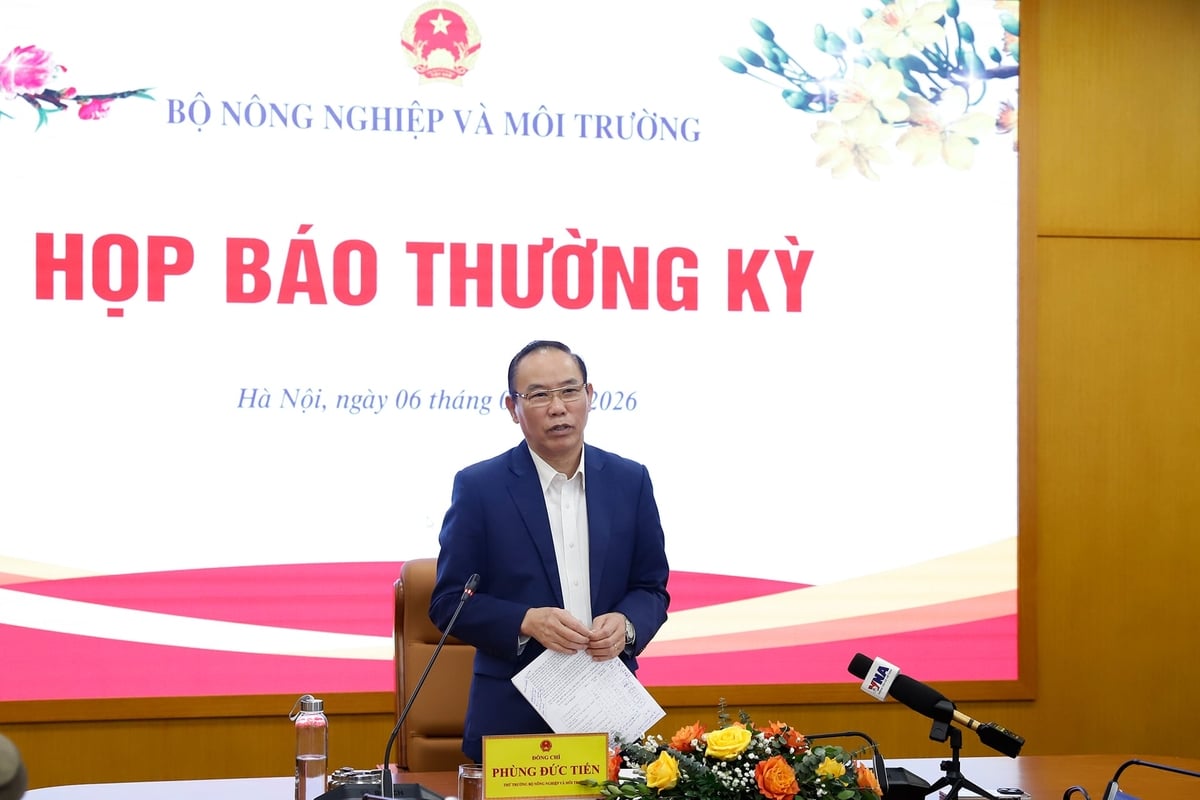
Deputy Minister Phung Duc Tien chairs the regular press conference of the Ministry of Agriculture and Environment. Photo: Khuong Trung.
According to Deputy Minister Phung Duc Tien, 2026 is forecasted to be even more difficult and challenging than 2025. However, with over 40 years of Renovation, particularly the agricultural production restructuring process in recent years, the sector has established a solid foundation for adaptation and growth.
The agricultural sector has synchronized better with the international market, progressively shifting its export market focus. In addition to traditional markets, exports to Europe and Africa have recorded significant growth. These are potential markets, along with Asian and niche markets. Notably, the Middle East region still offers substantial room for expansion.
Despite the countervailing duties imposed by the United States, thanks to the foundation of production restructuring and the proactivity of businesses in trade promotion, organized production, and methodical raw material area development, the agricultural sector has every reason to strive for an export turnover of $73-74 billion in 2026, Deputy Minister Phung Duc Tien emphasized.
According to the Ministry of Agriculture and Environment, difficulties and challenges will continue to escalate in 2026, particularly the impacts of climate change, resource depletion, environmental pollution, and biodiversity loss, which directly affect food security and people’s livelihoods. Furthermore, fulfilling international commitments on emission reduction, green growth, nature conservation, and transitioning to low-emission agricultural models places significant pressure on resources and management capacity.
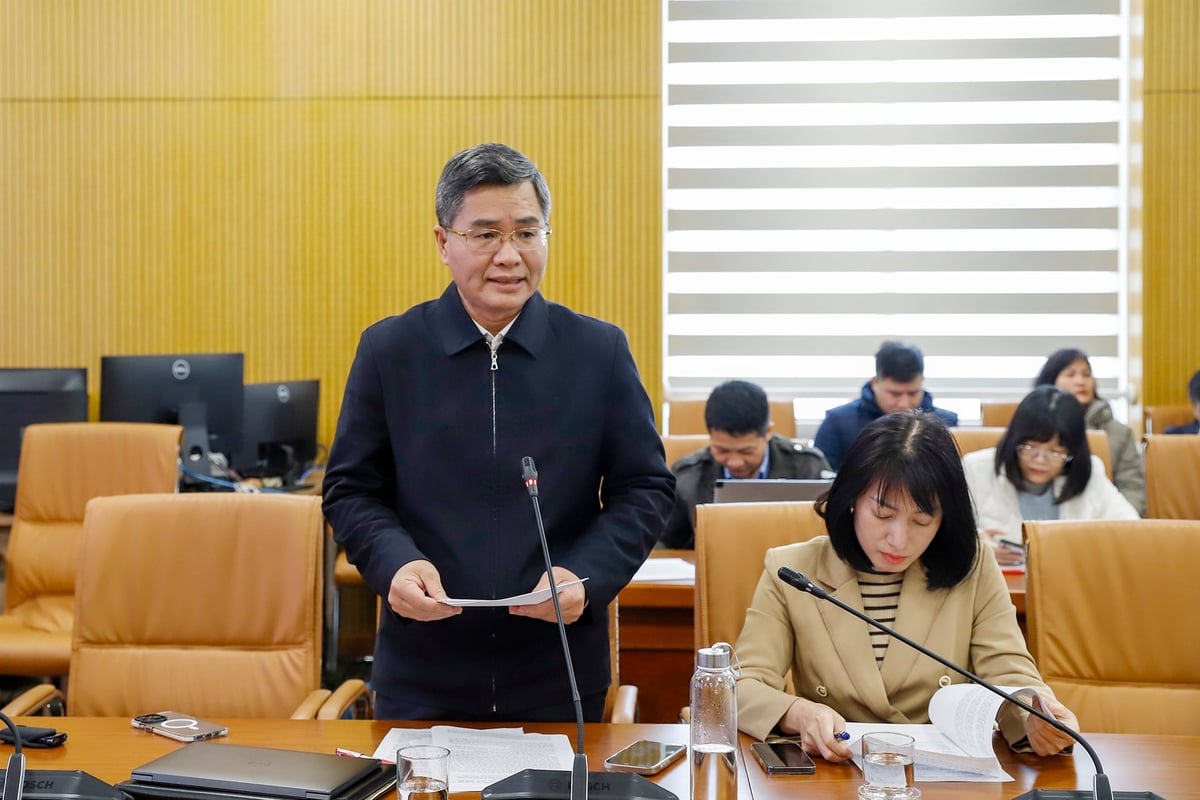
Representatives from the Ministry of Agriculture and Environment discuss issues of press concern. Photo: Khuong Trung.
In response to these requirements, the Ministry of Agriculture and Environment is committed to further strengthening resource management, environmental protection, and enhancing climate resilience. The sector aims to effectively leverage land, water, forest, and biodiversity resources to serve sustainable agricultural development and the country’s socio-economic growth.
To create a breakthrough in value, the sector is focusing on the synchronized implementation of solutions following the chain: “raw material areas – standards – processing – logistics – market.”
The core focus is on standardizing raw material areas according to “market orders”; expanding codes for growing areas and farming ponds; and strengthening input quality management, food safety, and traceability. Production will be organized according to GAP, organic, and sustainable standards to minimize the risks of warnings and product returns.
Additionally, the sector will promote deep processing and product diversification. Priority will be given to investment in processing, preservation, and packaging technologies. The development of refined and convenient products will be emphasized, while simultaneously utilizing by-products to form new value chains such as feed, biomaterials, and extracts.
In the field of logistics, the sector focuses on developing cold storage systems, cold chains, and regional logistics centers; optimizing transportation, border gates, and seaports; and standardizing digital processes to shorten customs clearance time, reduce compliance costs, and increase value margins.
Another key direction is upgrading market access capacity and building a national brand. Accordingly, the sector will step up negotiations for market opening and address technical barriers, while enhancing market forecasting and early warning systems to help businesses respond proactively. In tandem, it will focus on branding specific product lines, developing geographical indications, and segment-based marketing, shifting strongly from exporting “raw materials” to “products with stories and standards.”
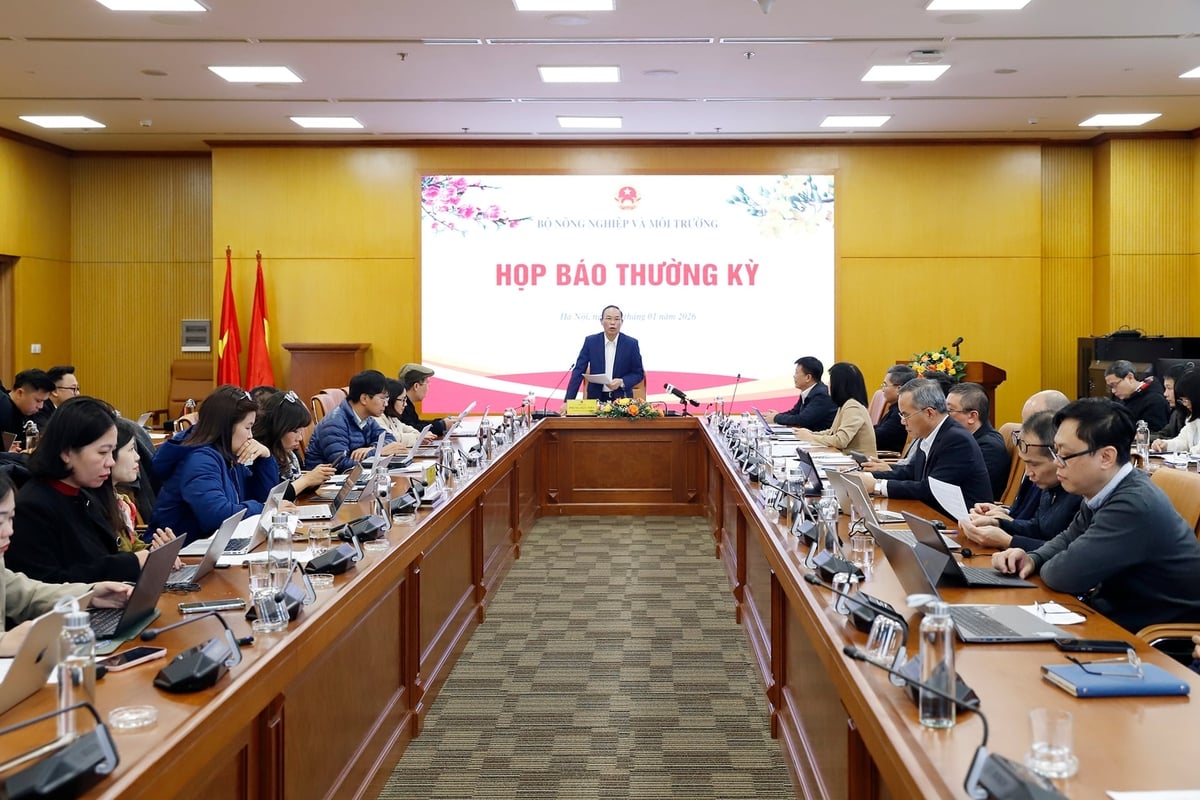
Agriculture and Environment sector targets $73-74 billion in exports for 2026 through production restructuring, market expansion, and green transformation. Photo: Khuong Trung.
In particular, the Agriculture and Environment sector identifies green transformation as a prerequisite for accessing high-value market segments. Solutions such as measuring and reducing carbon footprints, sustainable certification, promoting circular economy models, and low-emission production will be implemented to meet the requirements of premium markets and high-end retail chains.
Reflecting on 2025, despite the complex global situation, escalating trade tensions, increasingly stringent requirements for traceability and food safety, alongside domestic natural disasters and extreme weather, the agricultural sector maintained its growth momentum.
The Ministry of Agriculture and Environment closely followed the Party and State’s guidelines and policies, directing operations “proactively, drastically, flexibly, and synchronously, with focus and priorities” from the beginning of the year. Consequently, crop production, livestock, and fisheries remained stable, ensuring the supply of essential food, contributing to national food security, and boosting exports.
As a result, the entire sector met and exceeded 9 out of 9 targets assigned by the Government. Growth reached 3.78%, and total agro-forestry-fishery export turnover hit $70.09 billion, a 12% increase compared to the previous year, while social and environmental indicators continued to show marked improvements.
Agriculture News | Agri Products Price