

(VAN) Lam Dong is tightening its management of growing area codes and packing facilities to ensure the momentum of durian exports to its key market, China.
Bottlenecks in growing area management
China continues to be the largest export market for Viet Nam’s agricultural, forestry, and fishery products. For the fruit sector, it remains a key destination for products such as dragon fruit, durian, bananas, passion fruit, and processed fruit and vegetable products.
In the Central Highlands region, Lam Dong and Dak Lak are among the provinces with the largest fruit-growing areas, supplying produce for both domestic consumption and export markets.
Following the expansion of its development space, Lam Dong Province now has more than 111,000 hectares of fruit orchards, including approximately 45,550 hectares of durian and over 26,000 hectares of dragon fruit. Dak Lak has more than 76,000 hectares of fruit-growing land, including nearly 45,000 hectares of durian, along with substantial areas dedicated to bananas and passion fruit for both domestic and export markets.
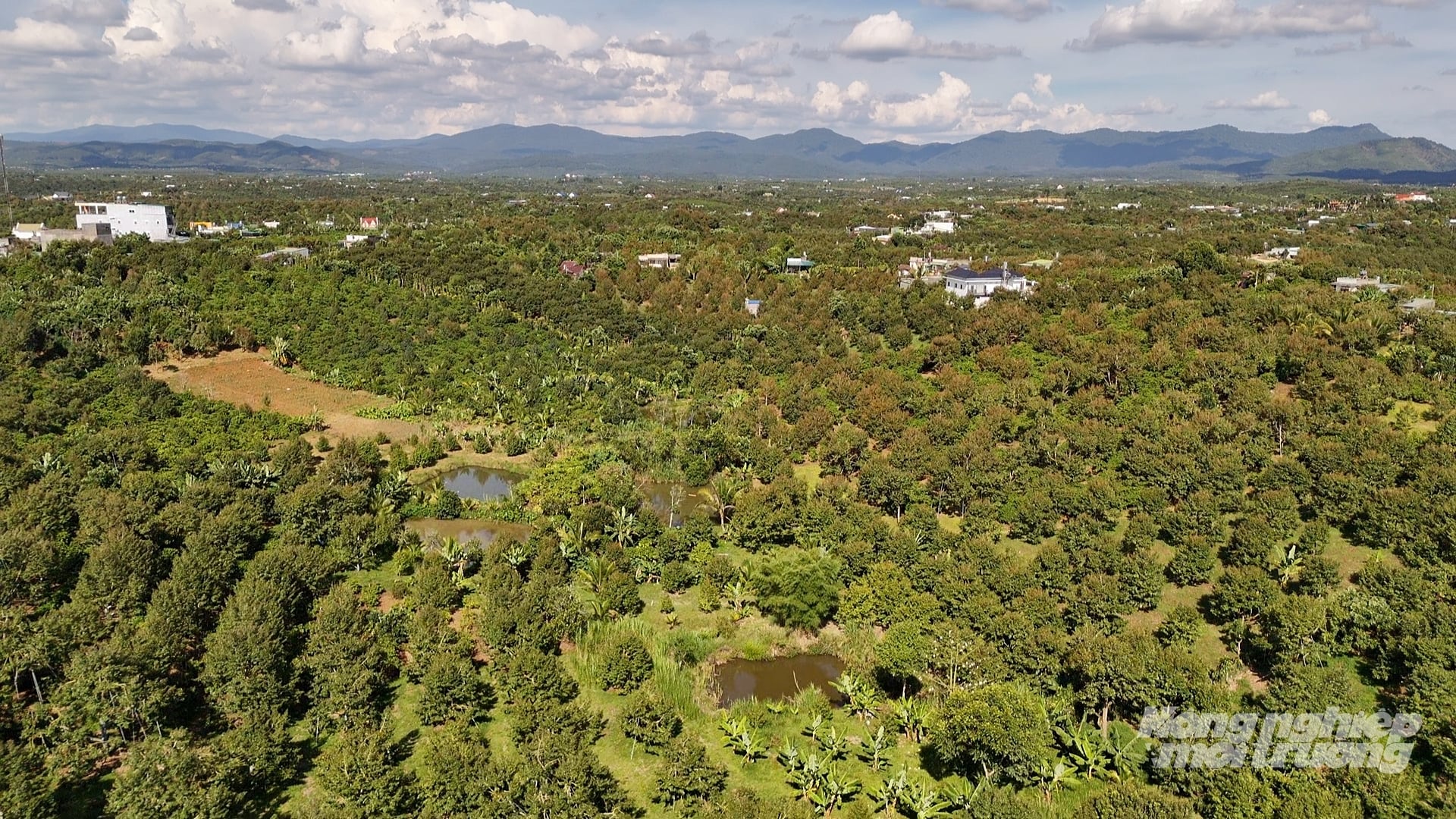
Durian-growing areas in Lam Dong are being standardized to meet export requirements. Photo: Nhat Tien.
Alongside the expansion of production areas, requirements related to traceability, growing area codes, packing facility codes, phytosanitary measures, and food safety are being increasingly applied to many products exported to China. In Lam Dong, durian acreage is projected to reach 45,550 hectares by 2026, with output exceeding 310,000 tons. The province currently has 346 durian plantation codes covering more than 13,297 hectares, as well as 70 registered packing facility codes serving export activities.
However, beyond expanding cultivation areas and increasing output, a number of challenges remain in production organization, market linkages, and the management of production zones. According to Mr. Vu Dinh Cuong, Deputy Director of the Lam Dong Department of Agriculture and Environment, the durian sector continues to face shortcomings in production-consumption linkages and in the management of growing-area and packing-facility codes.
“Some durian growers have not fully complied with technical production procedures, while production records are either not maintained or kept only as a formality,” Mr. Cuong said.
According to the Lam Dong Sub-Department of Plant Production and Protection, the province currently has 133 enterprises and cooperatives engaged in durian procurement. There are also 47 durian production and marketing linkage chains involving 1,678 farming households across more than 4,504 hectares.
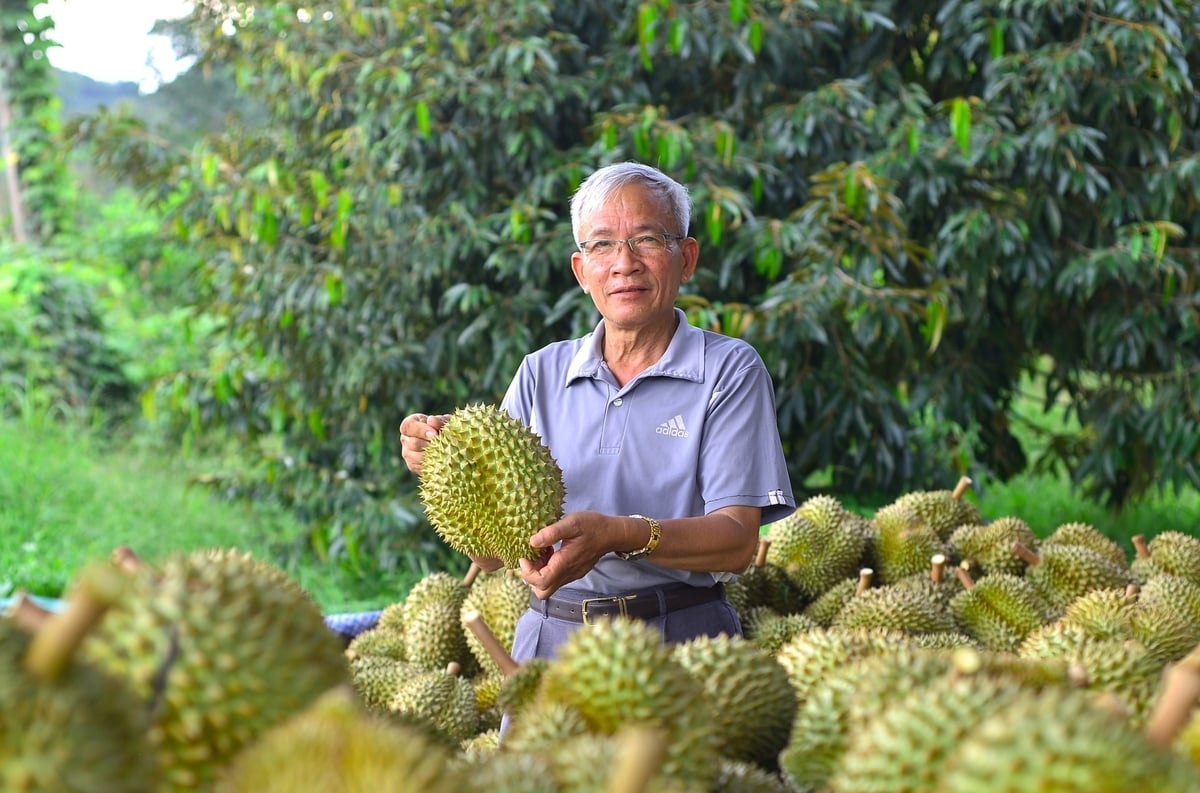
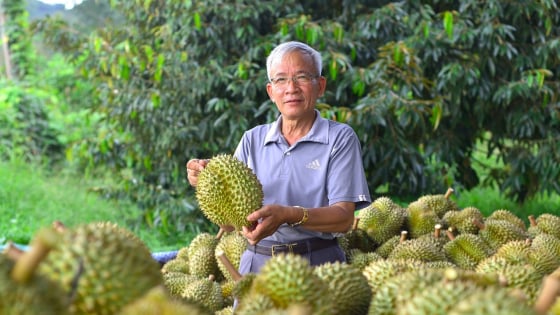
Mr. Nguyen Thanh Son believes that many growers still do not fully understand the role of growing area codes in the durian export value chain. Photo: Nhat Tien.
Mr. Nguyen Thanh Son, Chairman of the Board of Directors and Director of Da M’Ri Agricultural Cooperative, said that the cooperative currently manages approximately 402 hectares of durian cultivated by 158 members, with an annual output of around 13,000 tons. The cooperative is currently managing five active growing area codes, while two additional codes are in the process of being finalized.
“There are still significant areas of durian cultivation in the locality that have not been incorporated into the growing area code system. One of the main reasons is that farmers do not fully understand growing area codes, packing facility codes, and the requirements associated with export activities. At times, products with registered growing area codes and those without are purchased at similar prices. This reality has made it more difficult to encourage farmers to participate in the growing area code system,” Mr. Son said.
According to the Lam Dong Department of Agriculture and Environment, production linkages between enterprises and farmers in some areas remain largely superficial. In some cases, after obtaining approval for growing area codes from importing markets, enterprises have failed to publicly inform their partner farmers about the status of the approved codes or their plans for purchasing products from those growing areas.
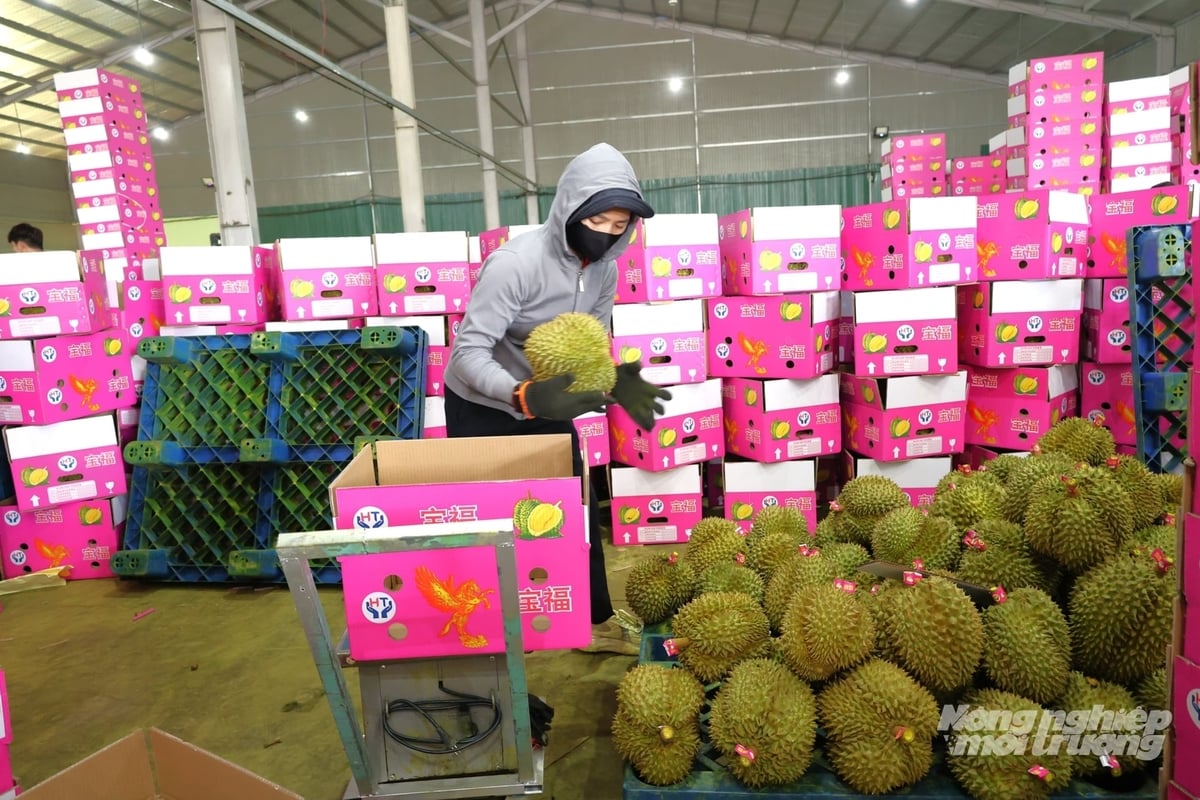
Requirements related to growing area codes, packing facility codes, and traceability are being enforced more rigorously for durian exports. Photo: Nhat Tien.
The authorization and use of growing area codes and packing facility codes among farmers, cooperatives, code holders, and exporting enterprises remain inadequately defined. The legal framework governing these arrangements is still broad and lacks mechanisms to monitor the actual volume of products procured under each code. As a result, when a code is revoked by an importing authority, it is difficult to determine legal responsibilities or identify the specific causes attributable to each party.
Another issue highlighted by the agricultural sector is the persistence of commercial fraud involving the borrowing or trading of growing area codes. The practice of purchasing products from outside registered areas and using codes that do not correspond to the actual production source creates significant risks for product traceability.
Following the entry into force of Decree No. 38/2026/ND-CP on growing area codes and packing facility codes, the issuance, maintenance, and monitoring of these codes are now subject to new regulatory requirements. However, according to the Lam Dong Sub-Department of Plant Production and Protection, updating data on growing areas and packing facilities has become more challenging due to changes in administrative information following local government restructuring and mergers.
Quality control and testing pressures
Alongside growing area code requirements, product quality control measures are also becoming increasingly stringent throughout the export process. According to the Lam Dong Department of Agriculture and Environment, demand for testing durian exports for cadmium and Auramine O has risen sharply, particularly during peak harvest periods. Currently, the province has two laboratories recognized by China to conduct export-related testing for these indicators.
According to the Lam Dong Sub-Department of Plant Production and Protection, between 2024 and 2025, technical agencies collected 703 durian samples for pest identification, pesticide residue analysis, and heavy metal testing. The results detected mealybug infestations in 17 samples and cadmium levels ranging from 0.020 to 0.024 mg/kg in six samples. Monitoring activities in 2025 also identified samples containing Prochloraz, an active ingredient not permitted for use on fruit crops.
To investigate the source of the cadmium findings, the Sub-Department collected seven soil samples and seven water samples from the relevant growing areas for analysis. Test results showed no cadmium contamination in either the soil or water samples. In addition, 28 durian samples were collected from packing facilities and tested for Auramine O. No traces of Auramine O were detected in any of the samples.
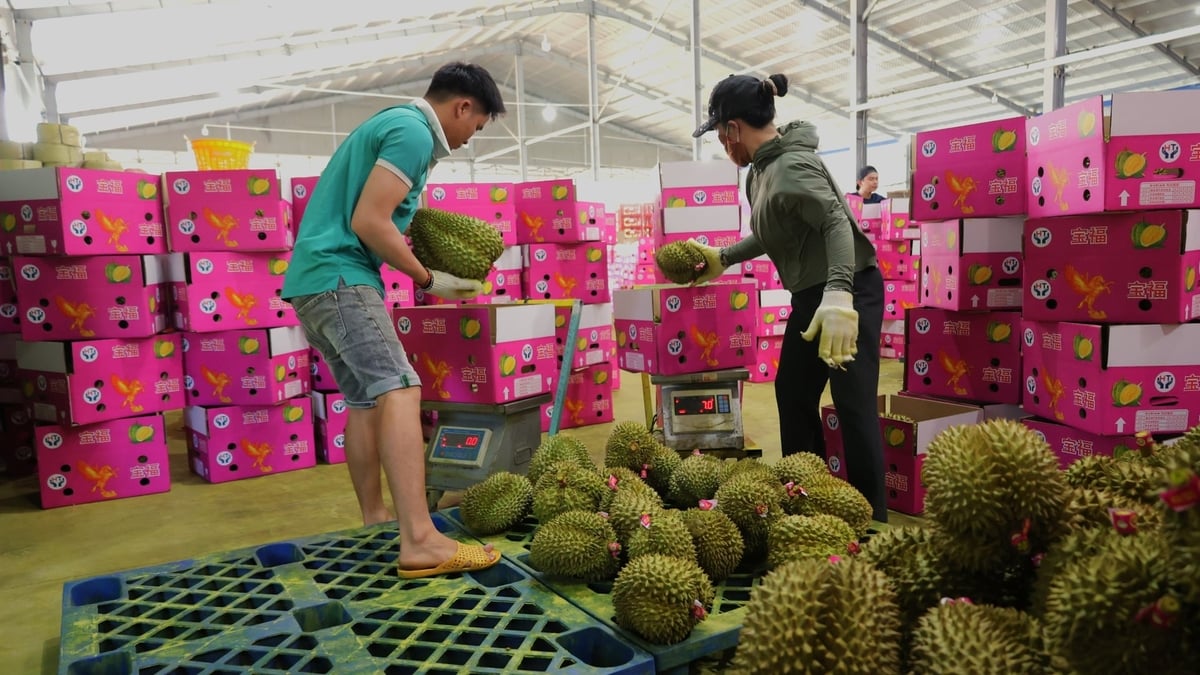
Lam Dong is tightening the management of growing area codes to sustain durian exports to China, its key export market. Photo: Nhat Tien.
Beyond product quality requirements, many fruit sectors still rely heavily on the sale of fresh produce. According to data from Dak Lak Province, the deep-processing rate for certain fruit industries remains only around 10-20%. In Lam Dong, the proportion of agricultural products undergoing processing reached approximately 24.9% in the second quarter of 2026.
For durian, in addition to fresh exports, some enterprises have invested in freezing, preliminary processing, and value-added processing to serve both domestic and international markets. According to the Lam Dong Department of Agriculture and Environment, issues related to growing area codes, packing facility codes, quality control, product testing, production linkages, and traceability are continuing to be reviewed and closely managed as part of the province’s agricultural production and export activities.
As China remains a crucial market for Vietnamese fruit exports, requirements concerning growing areas, production linkages, product quality, testing, and traceability are becoming increasingly prominent across multiple commodity sectors. These challenges represent key bottlenecks facing Vietnam’s fruit export industry at the present stage.
Viet Nam – China Agricultural Trade Forum
On June 24, 2026, the Viet Nam Fruit and Vegetable Association and Viet Nam Agriculture and Nature Newspaper, in coordination with the Consulate General of China in Ho Chi Minh City and the Chinese Enterprises Association in Vietnam, organized the first Viet Nam – China Agricultural Trade Forum in Ho Chi Minh City. Viet Nam Agriculture and Nature Newspaper provided live coverage of the event.
Agriculture News | Agri Products Price