



(VAN) The Viet Nam Food Association (VFA) has proposed several solutions to enhance the value of Vietnamese rice.
At the Commodity Industry Association Conference on Promoting Agricultural, Forestry, and Fishery Exports in the Last 6 Months of 2026, held in Ho Chi Minh City on July 30, Mr. Do Ha Nam, Chairman of the Viet Nam Food Association (VFA), proposed various solutions to create momentum for the rice industry’s development, contributing to the growth targets of the agricultural sector and export turnover in 2026.
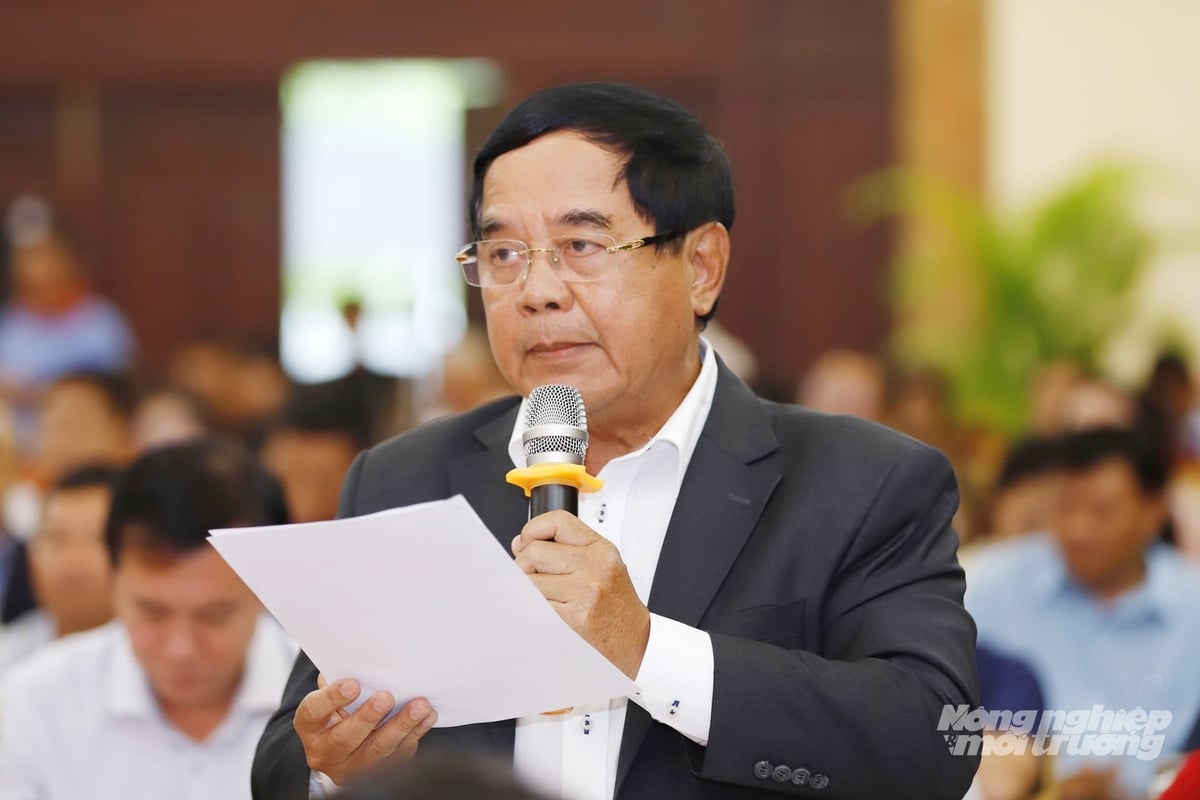
Mr. Do Ha Nam, Chairman of VFA, speaking at the conference. Photo: Khuong Trung.
According to Mr. Do Ha Nam, the Philippines remains Viet Nam’s largest rice import market. In the first 7 months of the year, rice export volume to this market reached approximately 2,5 million tons. However, recently, many import management policies from the Philippines have caused significant difficulties for Vietnamese enterprises, even though consumer demand in this market remains high.
The Viet Nam Food Association requested the Ministry of Agriculture and Environment to proactively work with the Philippine side, while simultaneously promoting a dialogue mechanism between the food associations of both countries to promptly resolve arising obstacles, aiming toward a long-term cooperative relationship rather than handling individual cases separately.
In addition, the Association also recommended continued support for enterprises to expand exports to African countries and other potential markets to reduce risks associated with over-relying on a few traditional markets.
One of the issues emphasized by the VFA Chairman is elevating the brand value of Vietnamese rice. According to Mr. Do Ha Nam, Viet Nam already possesses many high-quality rice varieties such as ST25, Jasmine, etc., but to date, it has not built a national rice brand strong enough to create a price advantage in international markets.
Mr. Nam cited as an example that Thailand’s Hom Mali rice is currently priced at about 1.000 USD/ton, whereas Viet Nam’s ST25 rice is of equivalent quality. The converted domestic retail price is about 1.500 USD/ton, but when exported to China, it reaches only about 700 USD/ton.
According to the VFA Chairman, if a national rice brand is successfully established, the value of Vietnamese rice grains will have the opportunity to rise sharply, raising export efficiency and income for producers.
Regarding production and market regulation, Mr. Do Ha Nam stated that the recent Summer-Autumn crop entered harvest in the context of declining output and yield. One of the reasons was that many farmers abandoned their fields due to low paddy prices.
VFA requested the Ministry of Agriculture and Environment to continue implementing flexible management solutions to keep paddy price levels stable, creating favorable conditions for enterprises to purchase while ensuring reasonable profits for rice growers.
In the long run, VFA suggested that the State pay attention to investing in post-harvest storage, drying, and preservation systems to proactively regulate supply, contributing to paddy price stability.
In addition to market solutions, VFA also recommended that the Government and ministries continue perfecting credit policies to allow enterprises and farmers convenient access to capital for production, purchasing, and rice reserves. “Currently, many enterprises possess warehouses and factories but lack working capital, so they cannot organize large-scale purchasing and production,” Mr. Nam noted.
Regarding rice purchasing activities, Mr. Nam argued that current payment and documentation regulations make it difficult for enterprises to buy directly from farmers, forcing them to go through traders. This not only increases costs but also limits the formation of direct linkages between enterprises and rice growers.
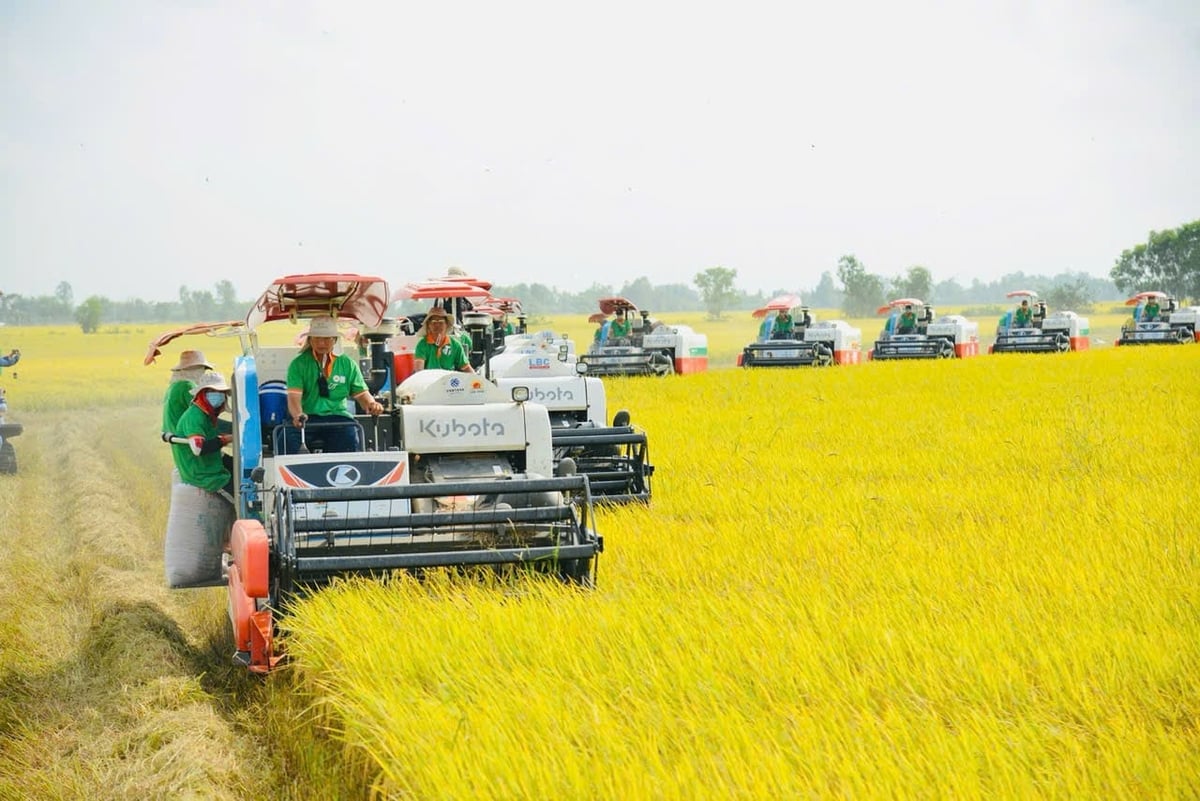
The target of exporting about 8 million tons of rice for the entire year of 2026 remains feasible. Photo: Le Hoang Vu.
VFA requested the Ministry of Agriculture and Environment to coordinate with the State Bank of Viet Nam and the Ministry of Finance to study payment mechanisms more suited to the practicalities of the rice industry.
Regarding value-added tax (VAT) refunds, VFA recommended that the Ministry of Finance accelerate the resolution process. According to reports, many agricultural export enterprises have still not received tax refunds from the previous year, severely impacting cash flow, purchasing capacity, and competitive capability in international markets.
“We commit to continuing to accompany the Ministry, proactively connecting enterprises, expanding markets, building the Vietnamese rice brand, and promptly reflecting practical difficulties to resolve them alongside regulatory agencies, contributing to achieving the growth targets of the agricultural sector and export turnover in 2026,” the VFA Chairman affirmed.
Responding to these recommendations, Deputy Minister of Agriculture and Environment Nguyen Hoang Hiep stated that the Ministry acknowledges VFA’s proposals. Matters within the Ministry’s authority will be accepted and coordinated with relevant ministries for early handling, especially issues related to the Philippine market to limit obstacles and avoid confrontation in trade activities, particularly regarding rice. For the remaining recommendations, the Ministry will synthesize and address them specifically in the conference’s general response.
Regarding export prospects, Deputy Minister Nguyen Hoang Hiep assessed that the target of exporting about 8 million tons of rice for the entire year of 2026 remains feasible. The Deputy Minister expected that the market in the last 6 months of the year will be more stable, with export prices continuing to stay at high levels, thereby enhancing efficiency for both enterprises and rice growers.
Agriculture News | Agri Products Price