



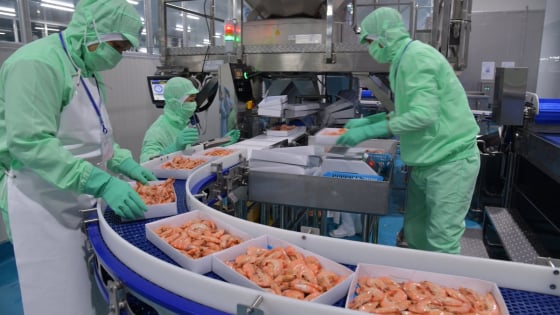
(VAN) Seafood exports posted robust growth in the first half of 2026, led by five standout products: scallops, tilapia, crabs, cod, and green spiny lobster.
According to the Viet Nam Seafood Market Report – July 2026, released by the Viet Nam Association of Seafood Exporters and Producers (VASEP), Le Hang, VASEP’s Deputy Secretary General, said the country’s seafood exports maintained strong momentum in the first half of 2026 despite continued volatility in global markets, intensifying competition, and increasingly stringent import requirements. Total seafood export value reached USD 5.77 billion, up 12.7% compared with the same period in 2025.
The positive performance reflects the industry’s ability to adapt to changing international market conditions. Vietnamese seafood enterprises have diversified their product portfolios, expanded into new markets, increased investment in value-added processing, and strengthened compliance with the increasingly demanding quality and food safety standards imposed by importing countries.
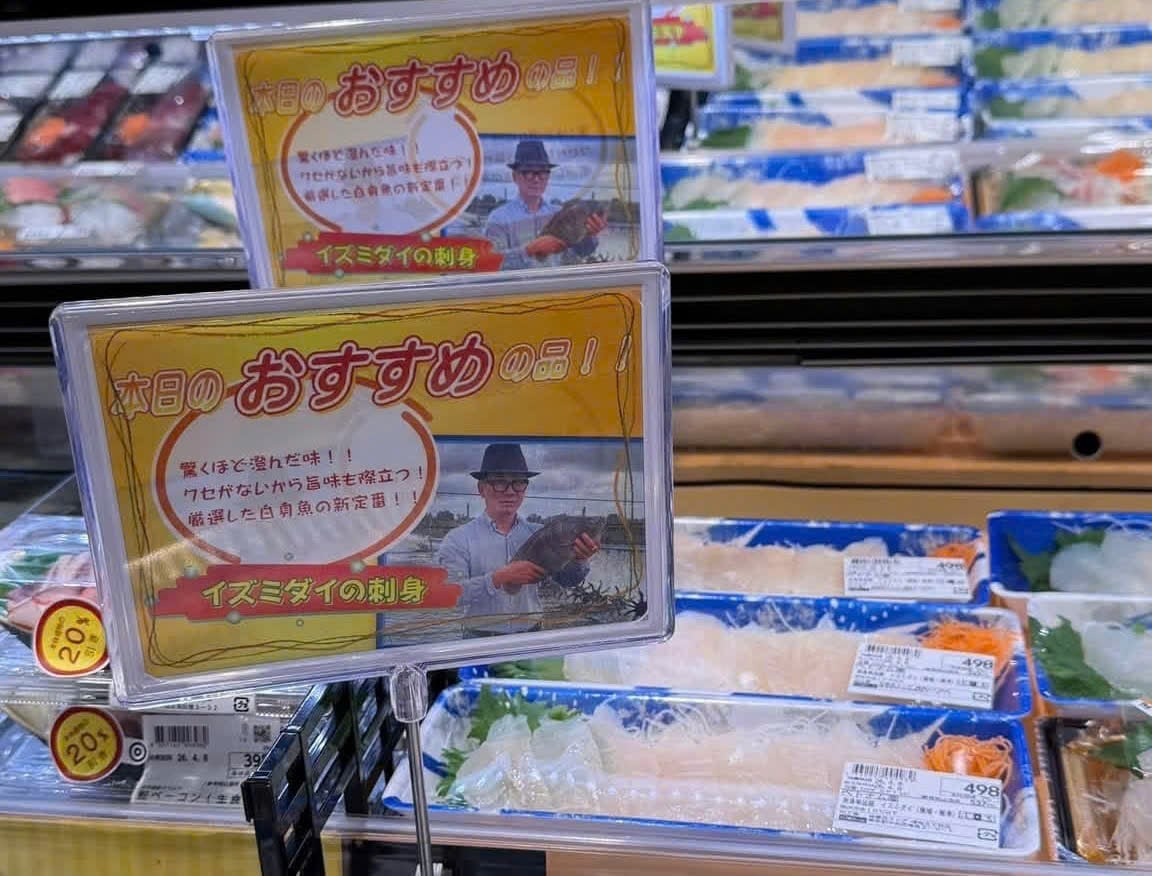
Viet Nam Clean Seafood Corporation’s sashimi-grade tilapia products are now available in the Japanese market. Photo: Vo Van Phuc.
In the second quarter alone, seafood exports totaled more than USD 3.12 billion, up 11% year on year. However, growth slowed from the 14% recorded in the first quarter, reflecting mounting pressure from weaker consumer demand, rising production costs, tariffs, and increasingly stringent compliance requirements in major export markets.
Shrimp remained Viet Nam’s leading seafood export, generating nearly USD 2.35 billion, up 14.2%, and accounting for more than 40% of total export value. Pangasius exports exceeded USD 1.1 billion, up 11.7%. Exports of other fish species rose 11.4%, while squid and octopus exports climbed 17.9%. Tuna was the only major seafood category to decline, with exports slipping 1.6%.
The most notable development in the first half of the year was not the performance of traditional export staples but the exceptional growth of five emerging products. Scallops led the way, with export value reaching USD 48.6 million, up 141%. Tilapia followed at USD 69.4 million, an increase of 67.3%, highlighting its growing potential in the competitively priced whitefish segment. Crab exports totaled USD 43.1 million, up 55.9%, while cod exports reached USD 68.1 million, rising 54.8%, driven largely by strong market demand and constrained global supply.
The strong performance of products beyond Viet Nam’s traditional export staples indicates that the country’s seafood export portfolio is becoming increasingly diversified. This is an encouraging trend, reducing reliance on a limited number of key commodities while creating new avenues for long-term industry growth.
Among the high-growth products, green spiny lobster stood out for export value, generating nearly USD 578 million, up 45.2%. In addition to being one of the fastest-growing seafood products, it has become a major contributor to overall seafood export earnings.
By market, China remained Viet Nam’s largest seafood importer, purchasing nearly USD 1.4 billion worth of seafood, up 38.7% year on year and accounting for more than 24% of total export value. The market remained particularly important for lobster, shrimp, and pangasius exports.
The next four fastest-growing markets were Brazil, with imports of USD 123.8 million (up 31.4%); Singapore, with USD 75.3 million (up 65.4%); Colombia, with USD 32.1 million (up 45.3%); and Egypt, with USD 30.9 million (up 40.6%).
Together, these five markets accounted for approximately 28.7% of Viet Nam’s total seafood export value, underscoring the tangible progress made in market diversification. Overall, export growth is increasingly being driven by Asia and other emerging markets.
Expanding market share in emerging economies not only helps Vietnamese seafood exporters reduce their exposure to fluctuations in traditional markets but also creates opportunities to tap new consumer segments well-suited to the country’s increasingly diverse range of seafood products.

Seafood exports are projected to reach approximately USD 12.1–12.4 billion in 2026. Photo: Hong Tham.
The market landscape continues to shift toward Asia. China and Hong Kong have become Vietnam’s largest seafood export destination, with combined imports reaching USD 1.47 billion, up 36.4% year on year, making the market the primary driver of the industry’s overall growth.
ASEAN and South Korea also maintained solid growth, while exports to the United States and the European Union declined slightly. Exports to Japan posted only modest gains.
In the second half of the year, seafood exports are expected to benefit from stronger year-end seasonal demand, China’s continued market recovery, and consumer preferences for convenient, affordably priced seafood products.
Nevertheless, exporters will continue to face challenges, including tariff-related uncertainties in the United States and increasingly stringent regulatory requirements such as the U.S. Marine Mammal Protection Act (MMPA), the Certificate of Admissibility (COA), the Seafood Import Monitoring Program (SIMP), the European Union’s CATCH system, and tighter rules governing raw material traceability.
Against this backdrop, strengthening traceability systems, investing in processing technologies, enhancing quality control, and developing certified raw material production areas will remain critical to maintaining the international competitiveness of Vietnamese seafood exporters.
Under the baseline scenario, Viet Nam’s seafood exports are projected to reach approximately USD 12.1–12.4 billion in 2026.
Achieving this target will require the seafood industry to continue capitalizing on its strengths in value-added processing, expanding high-growth product categories, and maintaining a more balanced export portfolio between traditional destinations and emerging markets.
Beyond achieving the immediate objective of surpassing USD 12 billion in seafood exports this year, these efforts will lay the foundation for greater resilience and more sustainable long-term growth across the industry.
Agriculture News | Agri Products Price