

(VAN) VASEP Deputy Secretary General To Thi Tuong Lan said: ‘Today, Vietnam has developed one of the world’s most integrated seafood value chains’.
Viet Nam is proud to be one of the world’s leading seafood producing and exporting countries
At the seminar “Information Sharing on Economy, Trade and Investment between Viet Nam and Brazil in the First Half of 2026”, organized by the Embassy of Viet Nam in Brazil on the evening of July 9 (local time), Ms. To Thi Tuong Lan, Deputy Secretary General of the Viet Nam Association of Seafood Exporters and Producers (VASEP), stated that although Viet Nam and Brazil are located on opposite sides of the globe, our two countries share many common strengths.
Both are blessed with abundant natural resources. Both have strong agricultural and aquaculture sectors. Both recognize the importance of food security, sustainable development and international cooperation. Today, seafood has become another important bridge connecting our two economies.

“Information Sharing on Economy, Trade and Investment between Vietnam and Brazil in the First Half of 2026”, organized by the Embassy of Vietnam in Brazil. Photo: The Embassy of Vietnam in Brazil.
According to Ms. Lan, Viet Nam’s seafood industry has been built through more than four decades of continuous development and innovation. Today, Viet Nam is proud to be one of the world’s leading seafood producing and exporting countries, with annual seafood exports ranging from 9 to 11 billion US dollars.
Viet Nam’s seafood products are exported to nearly 170 countries and territories, including many of the world’s most demanding markets such as the European Union, the United States, Japan, Australia, the United Kingdom, Korea and China.
“Among many aquaculture species, shrimp and pangasius have become globally recognized success stories. Today, tilapia is emerging as another promising species that offers tremendous opportunities for future growth”, said Ms. To Thi Tuong Lan, Deputy Secretary General of VASEP.
The fact that Vietnamese seafood is welcomed in these markets reflects much more than production capacity. It reflects the confidence that international consumers, retailers and importers place in Vietnamese seafood. That confidence has been earned through consistent investment in quality, food safety, responsible production and long-term partnerships.
Today, Viet Nam has developed one of the world’s most integrated seafood value chains, grom broodstock development, hatchery management, aquaculture, harvesting, processing, logistics and finally to consumers around the world, every stage is closely connected and carefully managed to ensure quality, consistency and reliability.
Behind this success are more than 860 export-approved seafood processing establishments, equipped with modern technologies capable of producing a wide range of seafood products – from fresh and frozen products to highly value-added, ready-to-cook and ready-to-eat items.
Vietnamese seafood enterprises continuously invest in automation, innovation and international certifications in order to meet the changing needs of global consumers.
Ms. Lan also noted that: “More importantly, seafood is not simply an export industry.
It is an industry that provides livelihoods for more than four million Vietnamese people, contributes to rural development, creates employment opportunities and supports sustainable economic growth across many coastal and inland communities”.
Aquaculture – Driving Sustainable Growth
Regarding the role of aquaculture, Ms. Lan stated that it has become the driving force behind Viet Nam’s seafood industry. In 2025, Viet Nam produced nearly 9.8 million tons of seafood. More than sixty percent of this production came from aquaculture, and this proportion continues to increase every year. This reflects Viet Nam’s long-term strategy of shifting from quantity to quality, from extensive production to sustainable aquaculture.
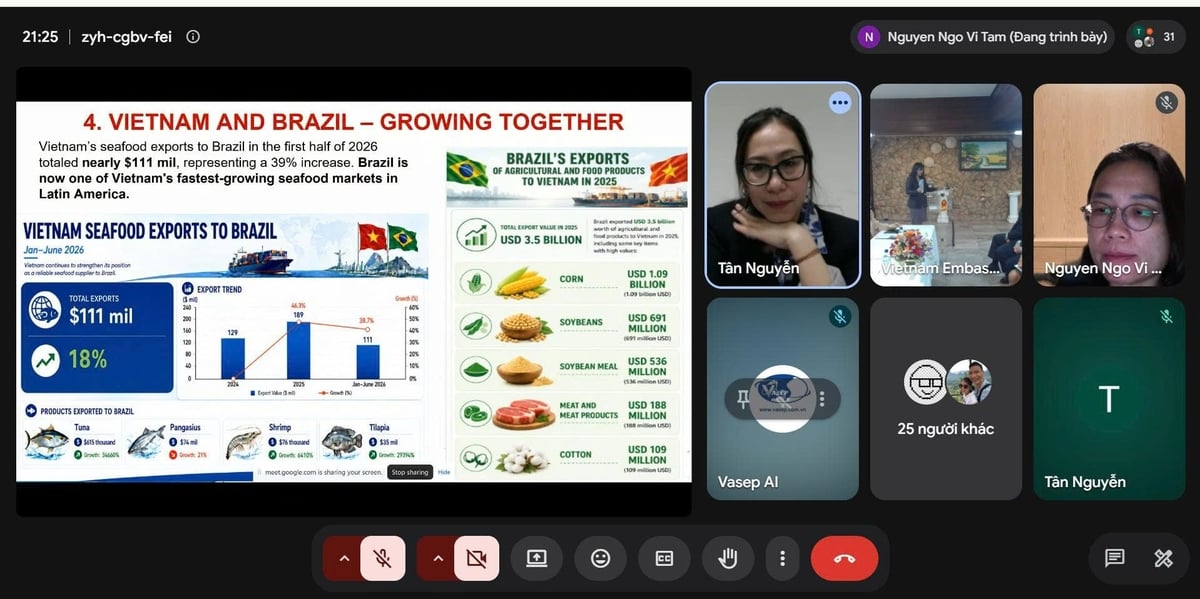
Ms. To Thi Tuong Lan, Deputy Secretary General of VASEP, presents an overview of Vietnam’s seafood production, processing, and export capacity. Photo: VASEP.
Rather than relying solely on natural resources, Viet Nam has invested heavily in modern farming systems, improved breeding technologies, scientific management and environmentally responsible production.
Our farmers and enterprises work closely with scientists, research institutes and government authorities to continuously improve farming practices and product quality. As a result, Vietnamese aquaculture has become increasingly efficient, sustainable and internationally competitive.
Pangasius – Viet Nam’s Global Success Story
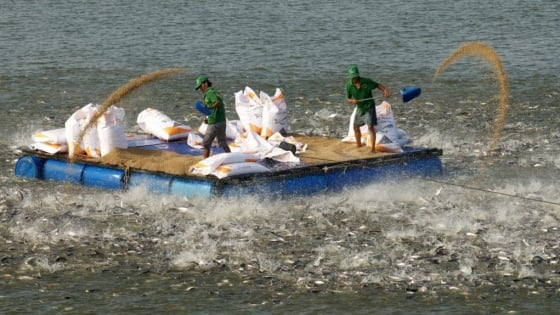
Introducing pangasius, Ms. Lan said that, over the past two decades, Vietnamese pangasius has become one of the world’s most successful freshwater aquaculture products. It is now exported to more than one hundred markets worldwide.
Consumers appreciate Vietnamese pangasius for its clean white flesh, mild taste, versatility and nutritional value. It is suitable for a wide range of culinary applications – from family meals to restaurants and foodservice operations.
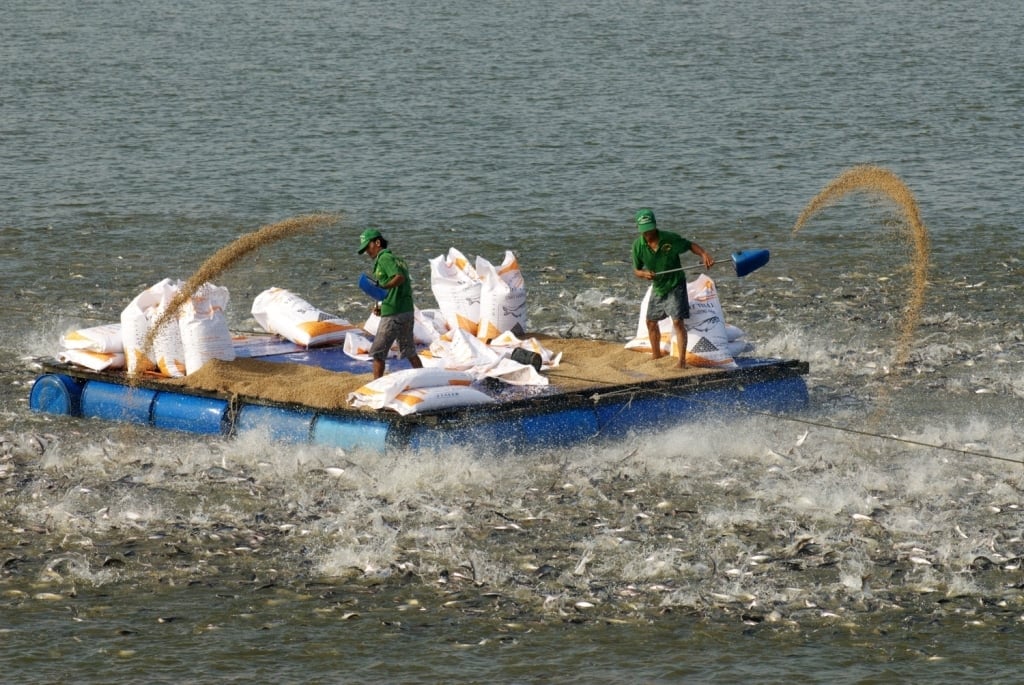
Vietnam has built a complete pangasius value chain, from selective breeding and hatcheries to farming, processing and export. Photo: Hoang Vu.
Equally important, pangasius offers stable year-round supply, consistent quality and excellent value for consumers.
Viet Nam has built a complete pangasius value chain, from selective breeding and hatcheries to farming, processing and export.
Today, Vietnamese pangasius represents not only an important export product but also an example of how responsible aquaculture can support food security and sustainable international trade.
Tilapia – A New Chapter for Viet Nam
Regarding tilapia, the VASEP representative noted that Viet Nam is now investing strongly in the development of tilapia. Although still a relatively young export sector, Vietnamese tilapia has demonstrated impressive growth in recent years. Production increased significantly in 2025, reflecting both increasing domestic investment and growing international demand.
Viet Nam enjoys favorable natural conditions for tilapia farming. Our freshwater tilapia farms are located in areas with abundant freshwater resources, allowing regular water exchange and good environmental management practices. These conditions contribute to healthy fish, firm texture and consistent product quality.
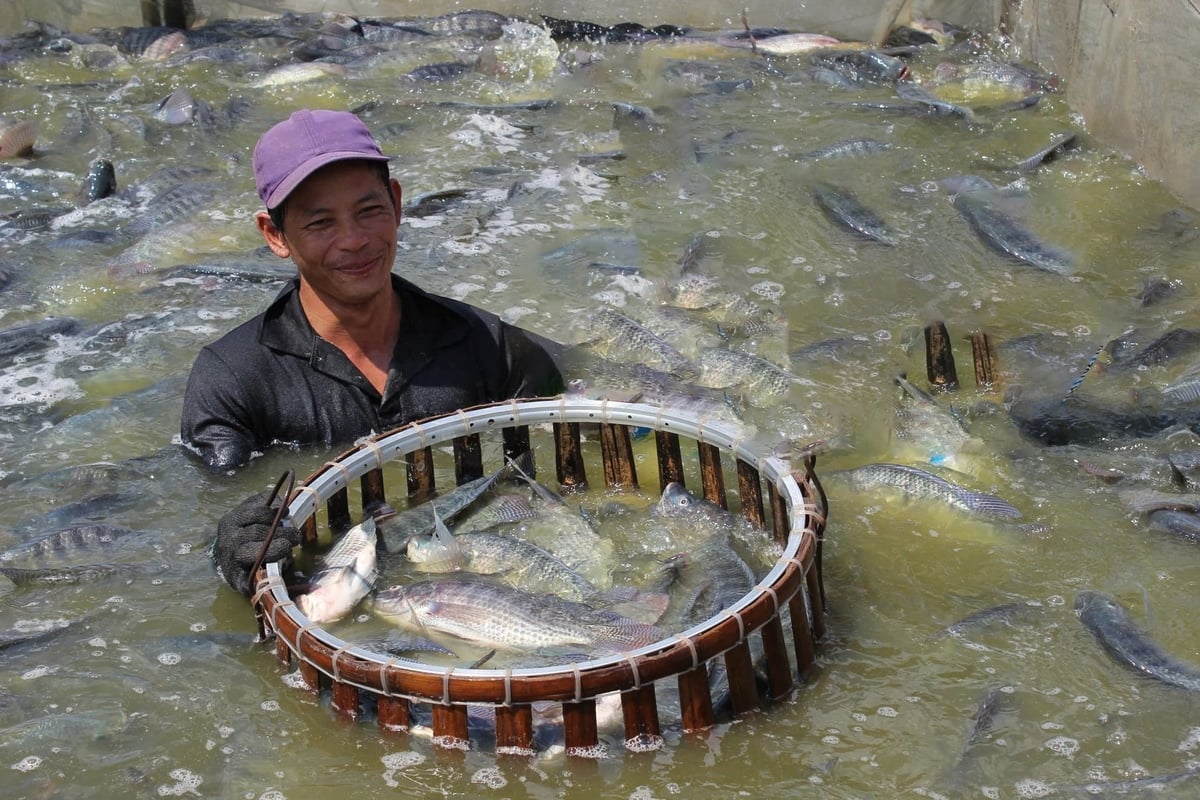
Vietnam believe tilapia has the potential to become another internationally recognized Vietnamese aquaculture product, following the successful path of pangasius and shrimp. Photo: Hong Tham.
At the same time, Viet Nam is developing marine tilapia farming in coastal areas.
Marine tilapia represents a premium segment with firmer flesh, a cleaner taste and excellent eating quality, making it particularly attractive for higher-value markets.
“We believe tilapia has the potential to become another internationally recognized Vietnamese aquaculture product, following the successful path of pangasius and shrimp. However, for Viet Nam, expanding tilapia production is not simply about increasing export volumes. Our objective is to build a sustainable industry based on quality, responsible farming and long-term partnerships with international markets”, Ms. Lan emphasized.
Quality, Food Safety and Traceability – The Foundation of Consumer Trust
Referring to the foundation for building trust among international consumers, Ms. Lan highlighted three key factors: quality, food safety, and traceability.
“If there is one message I would like everyone to remember today, it is this: Quality and food safety are not simply regulatory requirements for Viet Nam’s seafood industry. They are the foundation of our reputation and the cornerstone of our long-term development”, Ms Lan said that.
Every seafood product exported from Viet Nam undergoes a comprehensive management process that begins long before harvesting. It starts with broodstock selection, hatchery management and responsible farming practices.
Throughout the production cycle, farms are required to comply with strict technical requirements on environmental management, animal health, feed control and responsible farming.
When seafood is harvested, the process continues through certified processing facilities where every stage – from receiving raw materials to processing, packaging, storage and export – is managed under internationally recognized food safety systems.
Today, Vietnamese seafood enterprises operate under globally accepted standards such as HACCP, ISO, BRCGS, ASC, GlobalG.A.P., BAP, MSC and many other customer-specific certification programs.
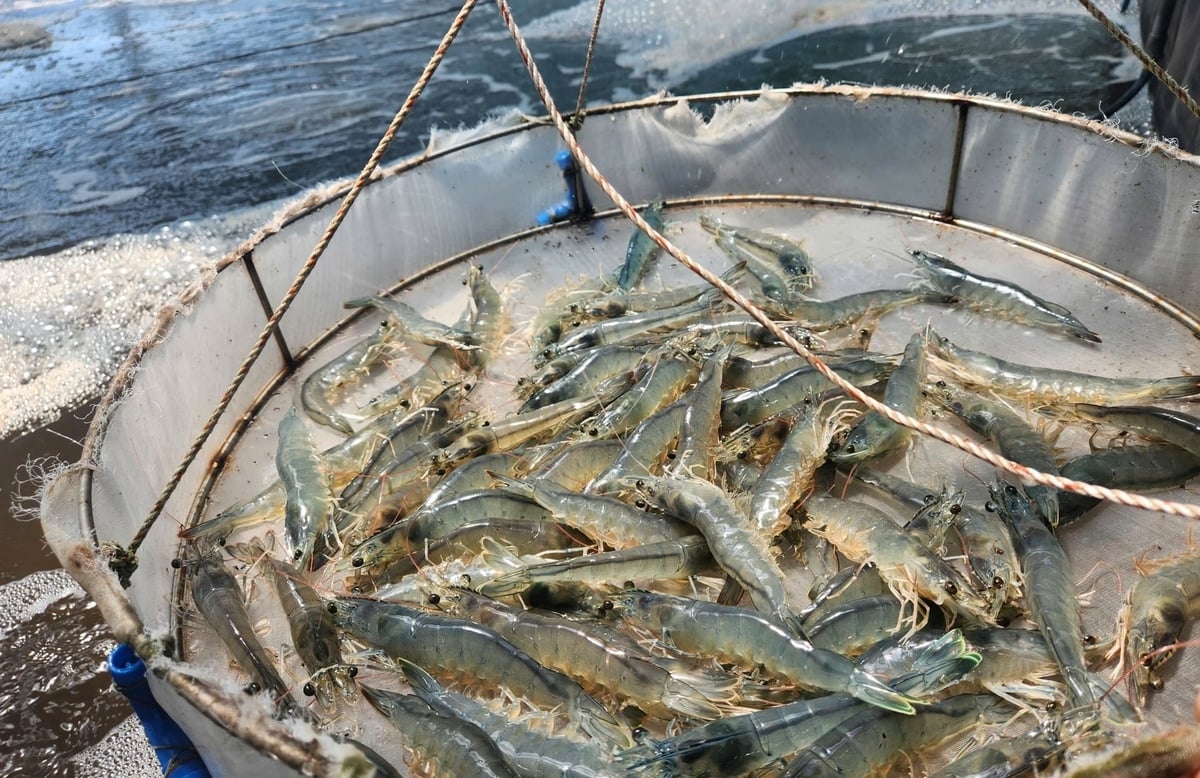
Among many aquaculture species, shrimp and pangasius have become globally recognized success stories. Photo: VAN.
“These standards are not only certificates displayed on factory walls. They represent our commitment to consistently delivering safe, high-quality products to consumers around the world”, Ms Lan affirmed that.
Every export shipment can be traced back through the supply chain – from the processing establishment to the farming area and production records.
This transparency gives importers, retailers and consumers greater confidence in Vietnamese seafood.
At the same time, Viet Nam maintains national programs for aquatic animal disease surveillance, food safety inspection and export certification under the supervision of the competent authorities.
Government agencies work closely with seafood enterprises to ensure compliance with both Vietnamese regulations and the import requirements of international markets.
This close cooperation between public authorities and the private sector has become one of the strengths of Viet Nam’s seafood industry.
Sustainability – Our Long-term Commitment
Today, sustainability is no longer an option. It is the direction in which the entire Vietnamese seafood industry is moving. Vietnamese seafood enterprises increasingly invest in environmentally responsible farming practices, efficient resource utilization, energy-saving technologies, wastewater treatment systems and responsible sourcing.
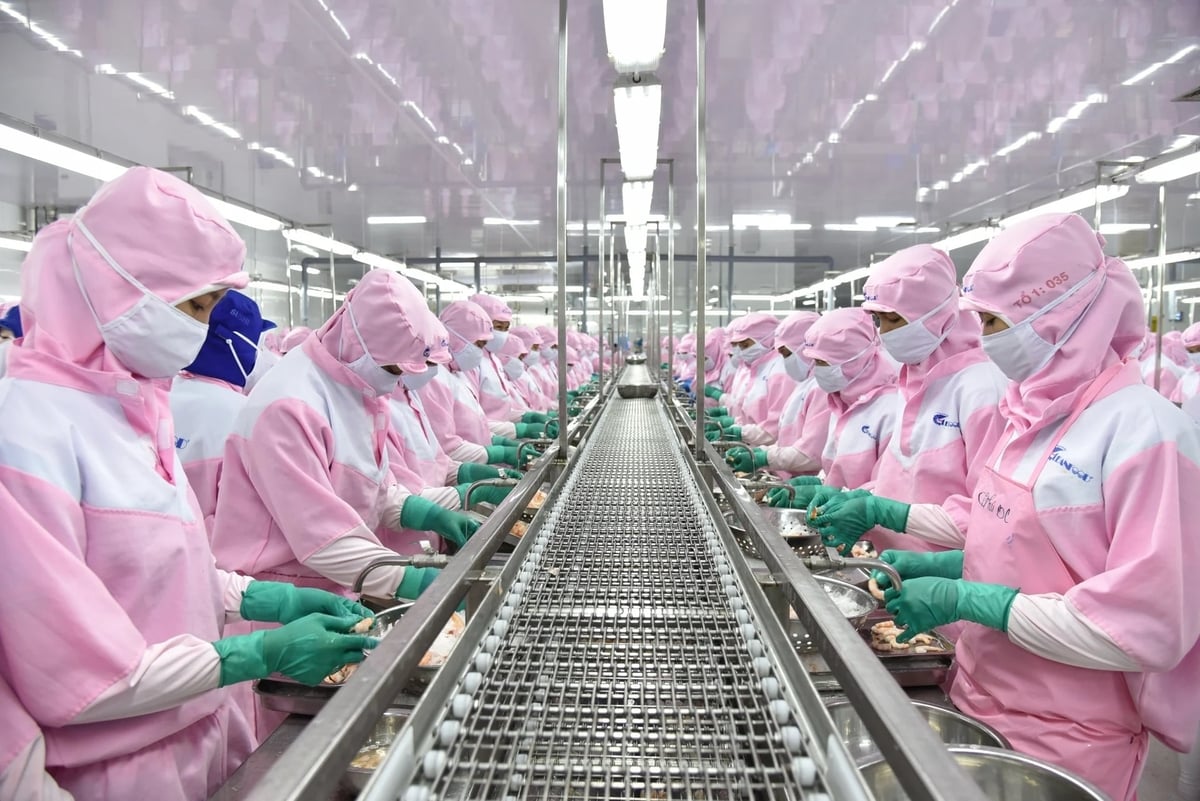
Today, Vietnamese seafood enterprises operate under globally accepted standards such as HACCP, ISO, BRCGS, ASC, GlobalG.A.P., BAP, MSC and many other customer-specific certification programs. Photo: Hồng Tham.
More and more companies are participating in internationally recognized sustainability certification programs.
At the same time, the industry is promoting digital transformation, improving traceability systems and applying new technologies throughout the supply chain.
“For us, sustainable development means balancing three objectives: Protecting the environment, improving livelihoods for farming communities, and creating long-term value for consumers and business partners”, Ms Lan affirmed that
Agriculture News | Agri Products Price