



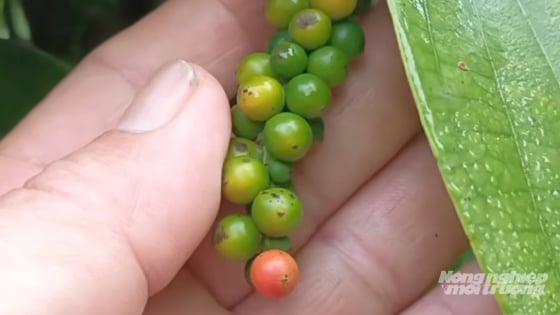
(VAN) Pepper exports maintained double-digit growth in the first half of 2026, but sustaining that momentum will require significant efforts as supplies continue to tighten.
Pepper exports have continued to post double-digit growth since the beginning of the year. According to Le Viet Anh, Secretary General of the Viet Nam Pepper and Spice Association (VPSA), Viet Nam exported 145,686 tonnes of pepper in the first six months of 2026, generating nearly USD 941 million in export revenue, up 17.4% in volume and 10.6% in value compared to the same period in 2025.
Despite a continued decline in domestic production, pepper exports have maintained their growth momentum, supported by imported raw materials and steady demand across key export markets. In the first half of the year, Vietnamese businesses imported 45,000 tonnes of pepper, mainly from Cambodia (23,000 tonnes) and Brazil (15,000 tonnes), among other suppliers.
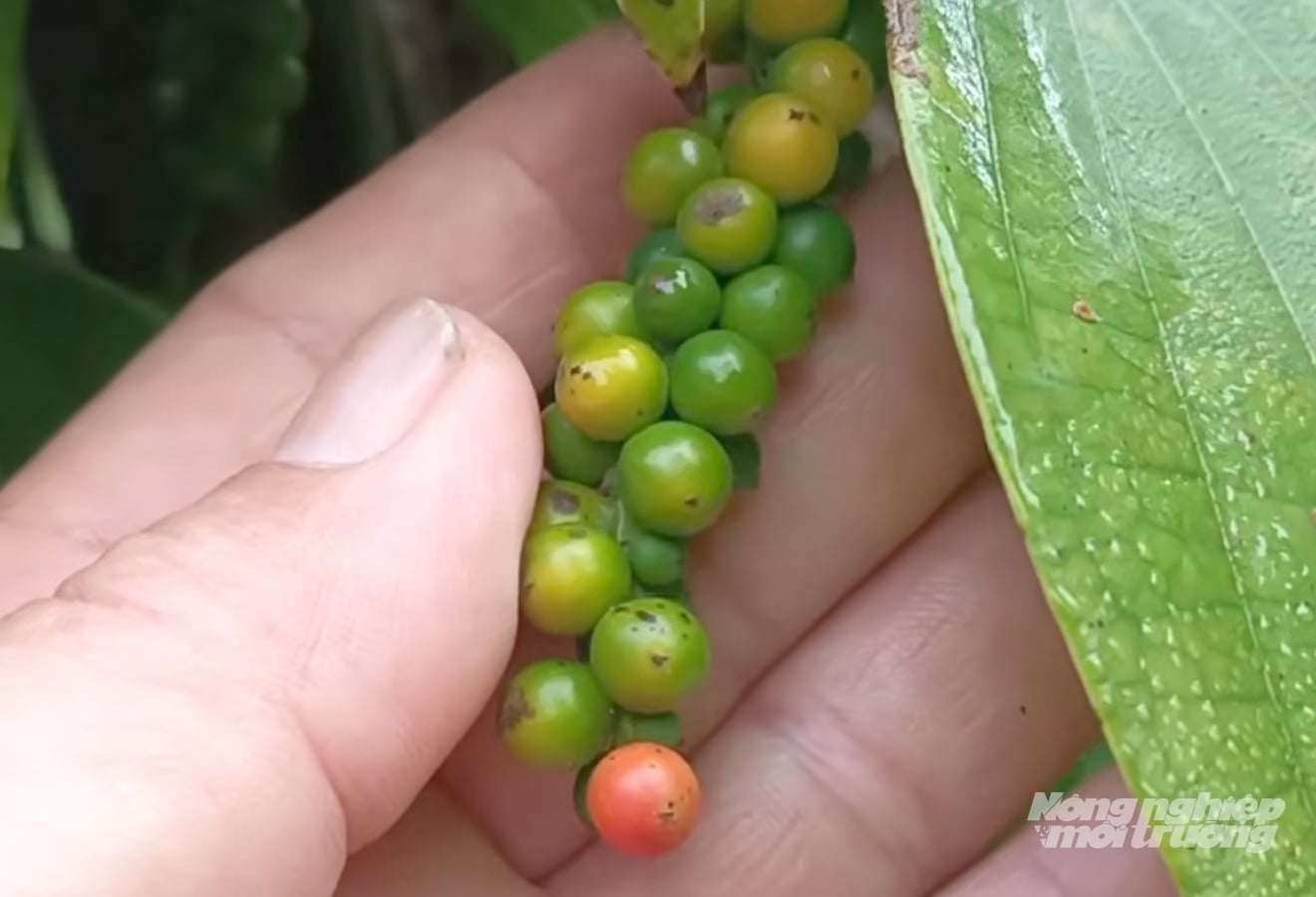
Viet Nam’s pepper exports continue to post double-digit growth. Photo: Son Trang.
Asia remained Viet Nam’s largest export destination, importing 66,000 tonnes of pepper in the first half of the year, accounting for 46% of total exports and marking a 15% year-on-year increase. Within the region, China imported 15,000 tonnes, up 64%; the United Arab Emirates purchased 9,703 tonnes, up 11%, reinforcing its role as a key transshipment hub for Vietnamese pepper; India imported 6,433 tonnes, down 27%; while Thailand nearly doubled its purchases to 6,094 tonnes, a 96% increase.
In the short term, pepper imports by the United States may slow as U.S. businesses take time to assess the impact of new tariff policies and adjust their procurement plans.
The Americas ranked second among Viet Nam’s export markets, importing 39,000 tonnes, up 31% year on year and accounting for 27% of total exports. The United States remained the single largest market with 35,000 tonnes, a 29% increase from the same period last year. Europe imported 31,000 tonnes, up 7.1% and representing 21% of total exports, while Africa imported 8,962 tonnes, an increase of 19%.
According to the Viet Nam Pepper and Spice Association (VPSA), import demand from major consuming markets remained robust during the first half of the year, helping keep pepper prices at elevated levels despite geopolitical tensions affecting global trade.
Looking ahead, pepper prices are expected to remain broadly stable at current levels if geopolitical conflicts do not change significantly. Should tensions in the Middle East come to a genuine end, prices could rebound as inventories in importing markets have fallen to low levels while production from major supplying countries is estimated to be at its lowest in many years.
The U.S. decision to impose a 12.5% import tariff on Vietnamese goods is expected to put additional pressure on pepper exports to the country’s largest market. Higher import costs may prompt buyers to be more cautious in signing new contracts and to seek lower prices during negotiations.
However, VPSA believes the impact on Viet Nam’s pepper exports will likely be limited if competing supplier countries are subject to similar tariff rates. The United States remains heavily reliant on imported pepper, and Viet Nam continues to be its largest supplier. Against the backdrop of constrained global supplies, Viet Nam’s pepper exports to the U.S. are expected to remain stable over the medium and long term, although price competition is likely to intensify.
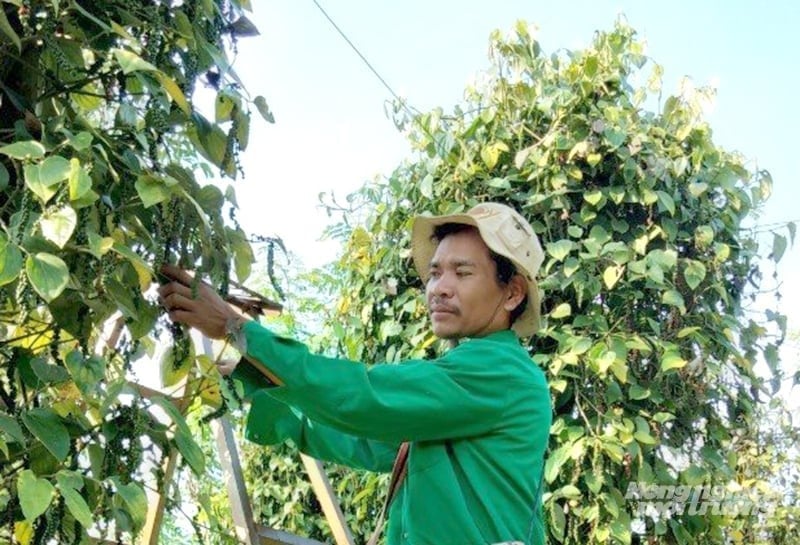
Farmers harvest pepper. Photo: Son Trang.
Although market conditions remain relatively stable, the growth momentum of Viet Nam’s pepper exports has begun to slow as domestic supplies tighten and buyers adopt a more cautious stance. In June 2026, pepper exports were still higher than in the same month of 2025 but declined in both volume and value compared with May 2026.
According to Hoang Thi Lien, Chairwoman of the Vietnam Pepper and Spice Association (VPSA), Viet Nam’s pepper production is estimated at 170,000 tonnes in 2026, down 12.8% from 2025 due to unfavorable weather, aging plantations, declining yields, and competition from alternative crops. Meanwhile, pepper exports in the first half of the year had already reached the equivalent of 86% of the country’s estimated annual output. This is placing significant pressure on raw material supplies for processing, exports, and inventory building during the remainder of the year.
Global pepper production in 2026 is also expected to fall short of earlier forecasts, as output in Viet Nam, Indonesia, and India declines because of adverse weather conditions and lower yields. Although Brazil is projected to record higher production, the increase is unlikely to offset shortages from the world’s major producing countries.
Climate forecasts further suggest that a strong El Niño event could develop next year, increasing the risk of drought across many pepper-growing regions. This could place additional pressure on yields and production, particularly in countries with aging pepper plantations such as Viet Nam, keeping global supplies constrained.
Despite tightening global supplies and rising demand, major importing markets continue to impose increasingly stringent requirements on food safety, sustainability, traceability, greenhouse gas emissions reduction, and deforestation-free production.
According to Nguyen Do Anh Tuan, Director General of the International Cooperation Department, constrained global pepper supplies, coupled with the gradual recovery of import demand in major markets, have helped keep prices at relatively high levels, creating favorable conditions for exports and enhancing the value of Viet Nam’s pepper industry.
Against this backdrop, developing certified raw material areas, building a comprehensive industry database, standardizing planting area codes, and establishing transparent supply chains have become essential to maintaining the competitiveness of Viet Nam’s pepper sector.
The Agency of Foreign Trade under the Ministry of Industry and Trade said that improving product quality, expanding value-added processing, complying with sustainability standards, and diversifying export markets will be key to sustaining growth and increasing the export value of Viet Nam’s pepper industry in the years ahead.
Agriculture News | Agri Products Price