




(VAN) Vietnamese tilapia exports rose sharply in the first half of 2026 thanks to breakthroughs across several markets, but competitive pressures are also mounting.
According to data from the Viet Nam Association of Seafood Exporters and Producers (VASEP), in June 2026, Vietnamese tilapia exports reached USD 7 million, down 32% from the same period in 2025. However, thanks to strong growth in the early months of the year, cumulative tilapia export turnover in the first 6 months of 2026 still reached USD 69 million, up 67% from the same period last year.
The primary growth driver came from Brazil, currently Viet Nam’s largest tilapia import market. In the first 6 months of 2026, tilapia exports to this market reached 35 million USD, an extraordinary increase of 28,767% compared to the same period in 2025, accounting for 50% of the entire industry’s total export turnover. However, behind the impressive growth rate are increasingly clear risks stemming from this market’s trade policies.
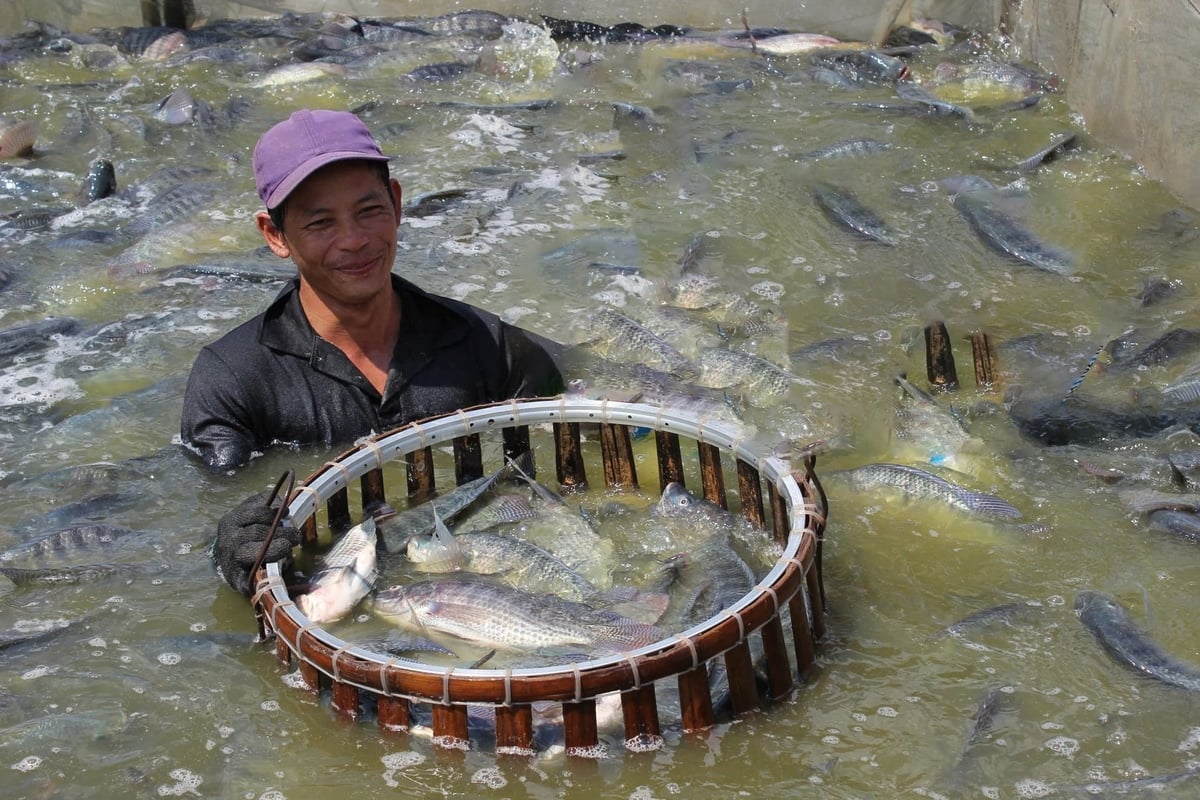
Strong growth momentum in the first half of 2026 opens up many opportunities for Vietnamese tilapia in the international market. Photo: Hong Tham.
In addition to technical control measures for imported seafood, several Brazilian states are applying tariffs on tilapia products. At the same time, a bill to ban tilapia imports is still under consideration by the Brazilian Congress, prompting many importers to become more cautious in their trading activities.
Faced with the above barriers, Viet Nam has proactively implemented technical and diplomatic solutions to protect the industry.
The Ministry of Agriculture and Environment, in coordination with relevant ministries, agencies, the Vietnamese Embassy, and the Viet Nam Trade Office in Brazil, has stepped up dialogue to affirm capabilities in disease control, traceability, and food safety. Concurrently, enterprises are advised to improve quality and diversify products and markets to reduce dependency on Brazil.
While Brazil was a bright spot in growth, the US recorded a downward trend and increasingly high competitive pressure. In the first 6 months of 2026, tilapia exports to the US market reached 17 million USD, down 35% over the same period last year. In June alone, turnover reached only 3 million USD, a decrease of 61%.
The US remains one of the vital export markets for Vietnamese tilapia. However, Vietnamese products are facing fierce competition from suppliers in China, Indonesia, and Brazil, creating significant pressure regarding price and market share.
Competitive pressure in the US market is projected to escalate following a new move from Brazil. Recently, the Ministry of Fisheries and Aquaculture of Brazil stated that many of the country’s key seafood exports would not be subject to the additional 25% tariff applied by the US on certain imported products from Brazil. The new policy took effect on July 22 and is part of a Section 301 investigation by the US.
According to the published list, duty-exempt products include fresh or chilled tilapia, whole frozen tilapia, tuna, swordfish, fresh or chilled mackerel, frozen lobster, and various other frozen fish, such as snapper, grouper, goatfish, and mullet.
Notably, duty-exempt items accounted for 89.2% of the total value of seafood exports to the US in 2025. This rate continued to rise to 93.6% in the first 6 months of 2026, indicating that the vast majority of the industry’s export turnover will not be impacted by the new tariff policy.
Meanwhile, certain products remain subject to the additional 25% tariff, including frozen tilapia fillets, other types of frozen fish fillets, fresh or frozen fish meat, live or fresh lobster, fish meal, non-human consumption fish meal and pellets, and several seaweed products.
The exclusion of frozen tilapia fillets from the duty-free list is expected to place additional pressure on Brazilian processing and exporting enterprises, as they are high-value-added products. However, the continued tax exemption for fresh, chilled, and whole frozen tilapia still helps Brazil maintain a competitive advantage in the US market, thereby exerting greater pressure on other tilapia-exporting countries, including Viet Nam.
Besides the two primary markets, many other markets also recorded positive signals, contributing to diversifying outlets for Vietnamese tilapia. In the first 6 months of 2026, tilapia exports to Saudi Arabia reached 4 million USD, up 69%; the Dominican Republic reached 2,3 million USD, up 103%; while Belgium reached 1,5 million USD, up 16% over the same period last year.
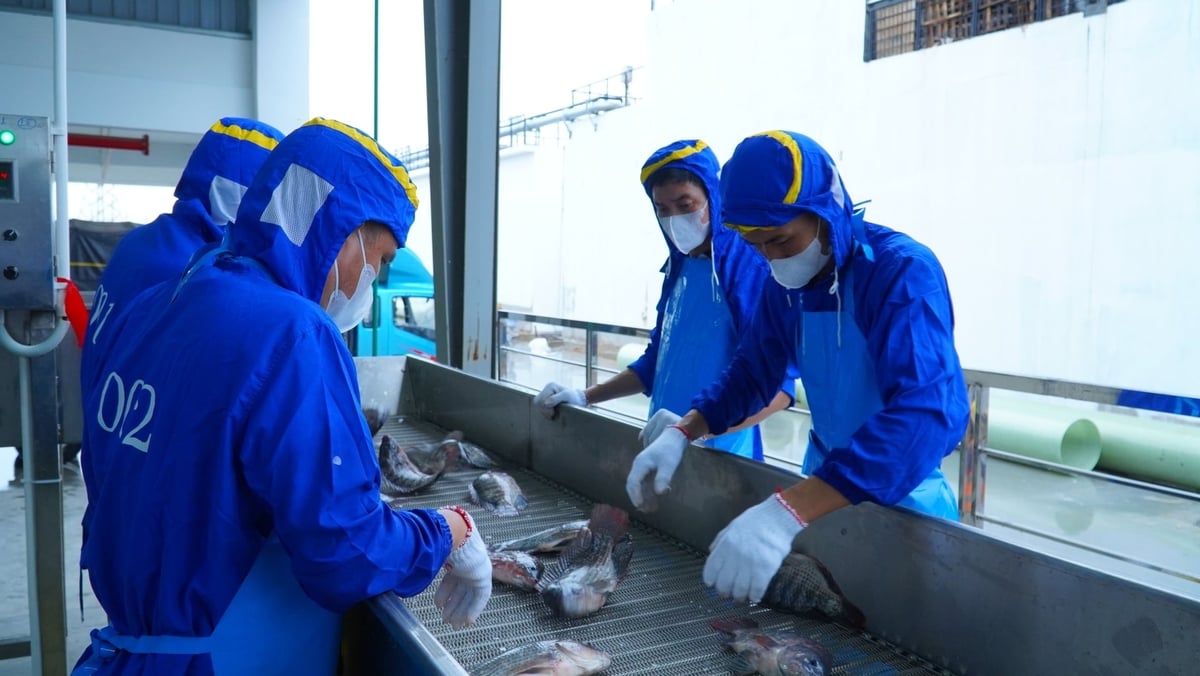
Vietnam’s tilapia exports in the first 6 months of 2026 reached 69 million USD, up 67% over the same period last year. Photo: BaiYang.
Notably, Japan is emerging as a potential-rich market for value-added processed products. In June 2026, Vietnamese tilapia exports to Japan reached nearly USD 200,000, up 11% from the same period last year. Cumulative turnover in the first 6 months of the year to this market reached approximately 1,4 million USD, up 54% over the same period in 2025.
Recently, a Vietnamese enterprise successfully exported tilapia fillets to Japan for sushi and sashimi processing. Following an investment phase to develop farming and processing protocols tailored to the high-value food segment, the product received positive feedback from Japanese customers regarding quality and flavor. Conquering demanding markets like Japan demonstrates that Vietnamese tilapia is step-by-step shifting from competing on price to competing on quality and added value.
Strong growth momentum in the first half of 2026 opens up many opportunities for Vietnamese tilapia in international markets. Yet to turn opportunities into sustainable growth, enterprises not only need to meet import market standards increasingly well, but also must enhance competitive capabilities, diversify markets, and develop value-added products to adapt to global trade fluctuations.
Agriculture News | Agri Products Price